Best Louis Vuitton Sneakers in 2026: LV Trainer vs Skate vs Run Away
Louis Vuitton has transformed its footwear division over the past decade, evolving from a heritage leather goods house into a legitimate force in luxury sneakers. The brand now commands a significant share of the high-end sneaker market, with three models dominating conversations among collectors and casual buyers alike: the LV Trainer, the Skate, and the Run Away.
The decision between these three silhouettes is not straightforward. Each serves a distinct purpose, appeals to different aesthetics, and carries unique implications for your wardrobe and wallet. In 2026, the luxury sneaker market has matured considerably, with buyers becoming more discerning about what they purchase and why.
This analysis examines each model through the lenses of design, comfort, durability, styling versatility, and investment potential. By the end, you will have a clear framework for determining which Louis Vuitton sneaker deserves a place in your rotation.
[Internal: Explore our complete Louis Vuitton footwear guide]
Quick Verdict Summary
If you need an immediate recommendation, here is the breakdown.
LV Trainer Strengths
- Instantly recognizable silhouette with strong collector appeal
- Premium construction using high-grade calfskin and technical mesh
- Versatile across casual and semi-formal settings
Skate Strengths
- Relaxed, low-profile design suited for streetwear enthusiasts
- Lighter weight and easier to wear for extended periods
- Lower entry price point compared to the LV Trainer
Run Away Strengths
- Athletic-inspired silhouette with genuine performance comfort
- Technical materials that improve breathability and flexibility
- Strong resale performance in the sport-luxury segment
Key Takeaway
The LV Trainer is the collector’s choice, the Skate is the daily driver for streetwear fans, and the Run Away is the performance hybrid that bridges casual and active lifestyles. Your personal style priorities and budget will determine the winner.
Design Analysis
LV Trainer Aesthetic
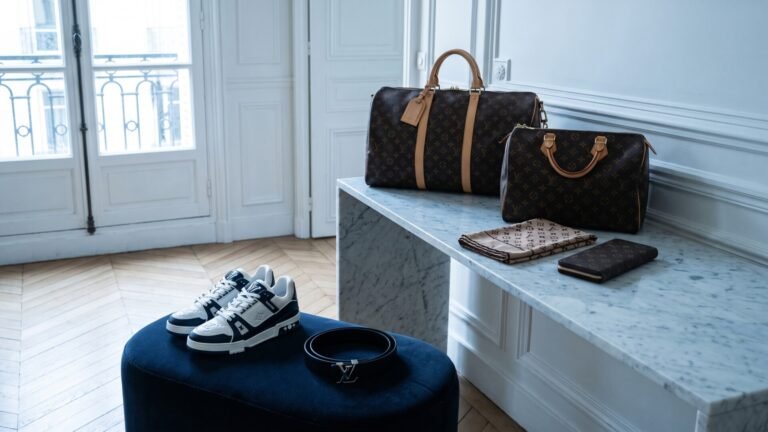
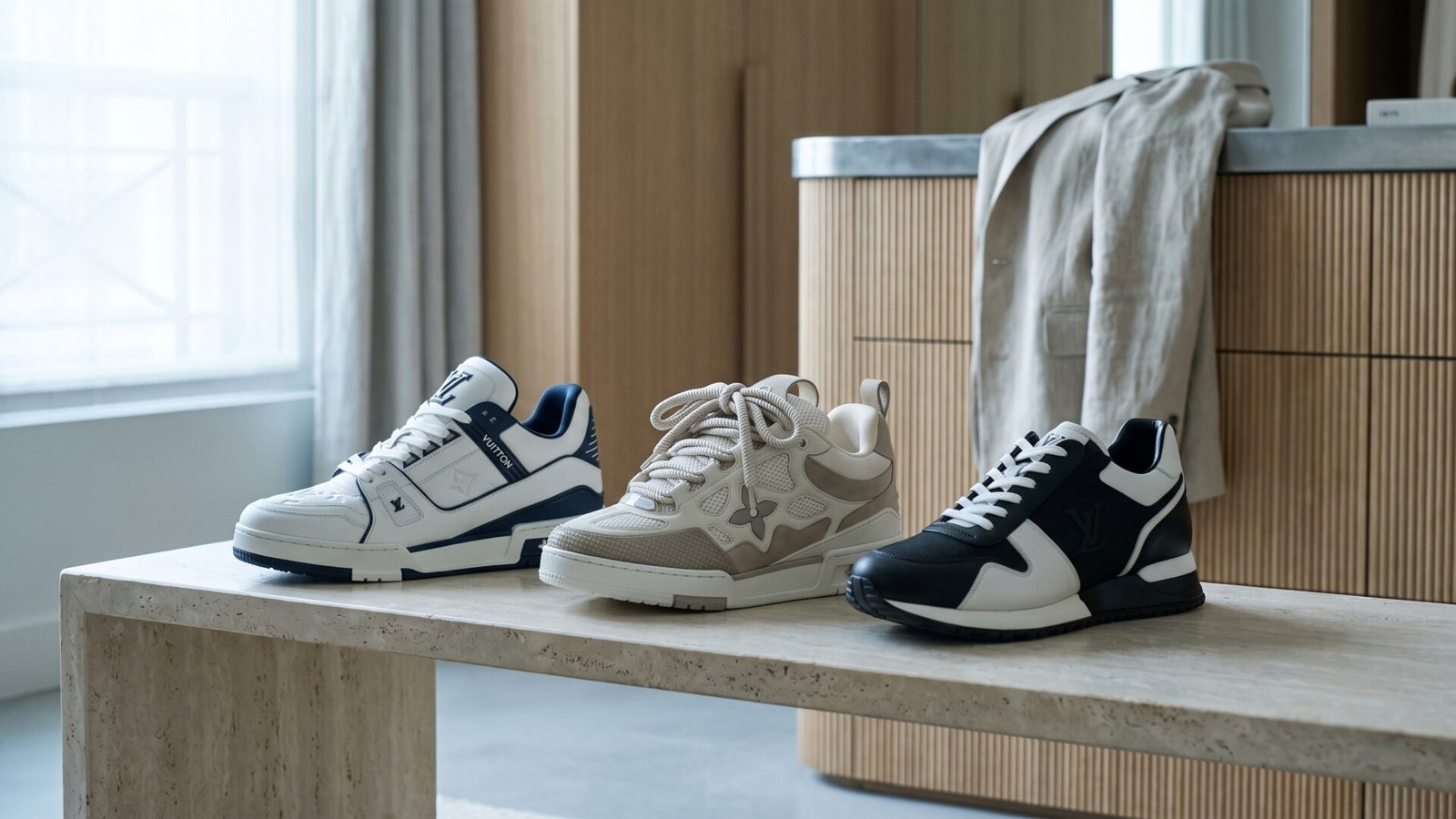
The LV Trainer, designed by Virgil Abloh, draws inspiration from vintage basketball sneakers from the 1980s. The silhouette is chunky but controlled, with a rounded toe box and a padded collar that gives it a substantial presence on foot. The signature elements include the oversized LV Initials monogram on the side panel, the “#54” embroidery referencing the brand’s founding year, and the contrasting outsole with floral motifs.
The design language is maximalist by luxury standards but restrained compared to contemporary “dad sneaker” trends. The LV Trainer makes a statement without screaming for attention. In 2026, this silhouette has achieved icon status, with certain colorways commanding premiums on the secondary market.
Skate Aesthetic
The Skate sneaker takes a more minimalist approach. Its design references classic skate shoe silhouettes from the 1990s, with a flat sole, low-cut profile, and clean lines. The branding is subtle, typically appearing as an embossed LV logo on the side or heel rather than the prominent monogram seen on the Trainer.
The Skate prioritizes understatement. It appeals to buyers who want the quality and cachet of Louis Vuitton without the overt branding. The silhouette works particularly well for those who prefer a quieter luxury aesthetic and want sneakers that blend into their wardrobe rather than dominating it.
Run Away Aesthetic
The Run Away sneaker occupies the sporty end of the spectrum. Its design incorporates technical elements like mesh panels, streamlined overlays, and a sculpted midsole. The silhouette is sleeker than the LV Trainer and more modern than the Skate, with a forward-looking design that feels athletic without being performance-oriented.
The Run Away carries LV branding through subtle monogram patterns on the mesh and embossed logos on the heel tab. The overall effect is polished and contemporary, suitable for buyers who want sneakers that work for both casual outings and occasions that require a slightly more elevated look.
[Internal: See how these compare to other luxury sneaker options]
Quality and Craftsmanship
Materials Comparison
The LV Trainer uses the most premium materials of the three models. The upper combines full-grain calfskin with technical mesh, while the lining is leather or microfiber depending on the version. The outsole is rubber with floral motif detailing, and the laces feature metal tips with LV engraving.
The Skate sneaker uses calfskin and suede in its construction, with a rubber cup sole. The materials are high quality but less elaborate than the Trainer, reflecting the Skate’s lower price point and more casual positioning.
The Run Away incorporates performance materials like breathable mesh, synthetic overlays, and a lightweight EVA midsole. The leather elements are present but secondary to the technical components. This is the most functional of the three in terms of material choices.
Manufacturing Standards
All three models are made in Italy, consistent with Louis Vuitton’s footwear production standards. The stitching quality is excellent across the board, with reinforced stress points and clean finishing. The LV Trainer receives the most hand-finishing attention, which contributes to its higher price.
The Skate and Run Away benefit from the same quality control standards but use more machine-intensive production methods. This does not indicate lower quality, merely different manufacturing approaches suited to each model’s design and price positioning.
Practicality and Comfort
Daily Wear Performance
The LV Trainer requires a break-in period of approximately 10 to 15 wears. The leather is stiff initially, and the padded collar can feel restrictive. Once broken in, the comfort level is good for casual wear, but these are not shoes designed for all-day walking or standing.
The Skate sneaker is more comfortable out of the box. The low-profile design and flexible sole allow for natural foot movement, and the lightweight construction reduces fatigue. These are suitable for extended wear, including travel and urban exploration.
The Run Away offers the best comfort of the three. The technical midsole provides cushioning comparable to performance athletic shoes, while the mesh upper allows for breathability. These are the most practical for active lifestyles or long days on your feet.
Size and Fit Considerations
The LV Trainer runs large. Most buyers should size down by half to a full size. The width is generous, accommodating wider feet without issue.
The Skate runs true to size for most foot shapes. The low profile means there is less room for orthotics, so consider this if you require additional support.
The Run Away runs slightly small. Size up half a size for the best fit, particularly if you plan to wear thicker socks.
[Affiliate: Check current pricing and availability for all three models]
Styling Versatility
Wardrobe Integration
The LV Trainer pairs best with tailored or structured clothing. Think cropped trousers, denim with a clean hem, blazers, and minimalist outerwear. The chunkier silhouette balances well against slim or straight-leg pants. Avoid overly baggy silhouettes, which can make the Trainer look disproportionate.
The Skate sneaker works with relaxed and casual wardrobes. Wide-leg trousers, cargo pants, denim shorts, and oversized knits all complement the low-profile design. These are the most versatile for streetwear-inspired outfits.
The Run Away sneaker bridges casual and sporty aesthetics. They work with joggers, technical fabrics, and casual tailoring. The sleek silhouette also pairs well with minimalist dresses and skirts for those who want a sport-luxury look.
Occasion Appropriateness
The LV Trainer can transition from casual to semi-formal settings. With the right outfit, they pass in environments where sneakers are borderline acceptable.
The Skate is firmly casual. They belong in coffee shops, galleries, and weekend outings, not in any setting that requires elevated dress.
The Run Away works for athleisure occasions and casual travel. They are appropriate for events where sportswear is acceptable but not for settings that demand traditional luxury aesthetics.
Investment Value
Market Positioning
The LV Trainer has established itself as the most collectible of the three. Limited releases and collaborations drive demand, and certain colorways appreciate significantly. The original white and black colorways from the debut collection now trade at multiples of their retail price.
The Skate has more moderate investment potential. It lacks the cultural significance of the Trainer and does not generate the same hype. However, limited edition releases and collaborations can still produce returns.
The Run Away has shown steady appreciation in the sport-luxury segment. While it does not command the same premiums as the Trainer, it holds value better than the Skate and has a dedicated collector base.
Price Trajectory
Louis Vuitton has implemented consistent price increases across all three models. The LV Trainer has seen the steepest increases, with some versions rising over 30 percent in the past three years. This trend is expected to continue, making early purchases more valuable over time.
[Internal: Read our analysis of luxury sneaker investment trends]
Resale Value
Secondary Market Performance
The LV Trainer retains 70 to 85 percent of its retail value in excellent condition, with limited editions reaching 100 percent or more. The resale market is active, with consistent demand across sizes and colorways.
The Skate retains 50 to 65 percent of retail value. The lower demand and broader availability mean slower turnover on the secondary market. Buyers should expect to hold these for longer periods if seeking a return.
The Run Away retains 60 to 75 percent of retail value. The sport-luxury segment has a dedicated but smaller buyer base, which affects liquidity. Popular colorways sell quickly, while less desirable ones may sit on the market.
Factors Affecting Resale
Condition is the primary factor for all three models. Original packaging, receipts, and authenticity cards significantly impact value. Colorway rarity and cultural relevance also play roles, particularly for the LV Trainer.
Durability
Longevity Expectations
The LV Trainer, with proper care, lasts five to seven years of regular wear. The leather upper ages well, developing a patina that many collectors appreciate. The outsole wears faster than the upper, but replacement is possible through Louis Vuitton’s repair service.
The Skate sneaker lasts three to five years with regular wear. The suede and calfskin require more maintenance, and the cup sole is more susceptible to wear. These are less repairable than the Trainer.
The Run Away lasts four to six years. The technical materials hold up well, but the midsole compresses over time, reducing comfort. The mesh upper is prone to tearing if caught on sharp objects.
Maintenance Requirements
The LV Trainer requires regular conditioning for the leather and gentle cleaning for the mesh. Store them with shoe trees to maintain shape.
The Skate needs suede protection spray and regular brushing. Keep them away from water and moisture.
The Run Away benefits from mesh cleaning solutions and careful storage. Avoid machine washing, which can damage the construction.
[Affiliate: Shop Louis Vuitton sneaker care products]
Brand Heritage
Louis Vuitton’s Footwear Evolution
Louis Vuitton entered the sneaker market relatively late compared to competitors like Gucci and Prada. The brand’s first significant sneaker release came in the early 2010s, but it was Virgil Abloh’s appointment as menswear artistic director that accelerated the footwear program.
The LV Trainer debuted in 2019 and immediately established itself as a cultural touchstone. The Skate followed as a more accessible alternative, while the Run Away represented the brand’s investment in technical footwear.
Positioning in the Luxury Market
Louis Vuitton sneakers occupy the upper tier of the luxury sneaker market, competing directly with Dior, Gucci, and Balenciaga. The brand benefits from its heritage in leather goods, which lends credibility to its footwear offerings.
The LV Trainer is the flagship model, representing the brand’s ability to create culturally relevant products. The Skate and Run Away serve as entry points and practical alternatives, broadening the brand’s appeal.
Who Should Buy Each Model
LV Trainer Buyer Profile
You should buy the LV Trainer if you value collectibility, appreciate bold design, and want a sneaker that makes a statement. These are for buyers who understand the cultural significance of the silhouette and want to participate in that legacy.
Ideal for: collectors, fashion enthusiasts, those who rotate their sneakers regularly.
Skate Buyer Profile
You should buy the Skate if you prefer understated luxury, prioritize comfort, and want a versatile sneaker for daily wear. These are for buyers who want Louis Vuitton quality without the overt branding.
Ideal for: streetwear fans, minimalist dressers, those who want a reliable daily sneaker.
Run Away Buyer Profile
You should buy the Run Away if you lead an active lifestyle, value technical performance, and want a sneaker that transitions from casual to athletic settings. These are for buyers who prioritize function alongside fashion.
Ideal for: travelers, fitness-conscious individuals, those who need one sneaker for multiple contexts.
What Most Buyers Get Wrong
Misconception One: All Luxury Sneakers Are the Same
Buyers often assume that higher price directly correlates with better quality across all models. In reality, the LV Trainer’s higher cost reflects its cultural positioning and collector appeal, not necessarily superior construction compared to the Skate or Run Away.
Misconception Two: Resale Value Guarantees
Many buyers purchase luxury sneakers expecting guaranteed returns. The resale market is unpredictable, and only specific colorways and limited editions appreciate. Most sneakers lose value immediately after purchase.
Misconception Three: Comfort Equals Quality
Buyers sometimes equate comfort with quality, assuming the most comfortable sneaker is the best made. The Run Away is the most comfortable but uses less premium materials than the LV Trainer. Comfort and quality are separate considerations.
Misconception Four: Branding Matters Most
Some buyers prioritize visible branding when choosing luxury sneakers. The LV Trainer’s prominent monogram appeals to those who want their investment recognized, but the Skate’s subtle branding often works better for those who prioritize personal style over status signaling.
Future Trend Analysis
Luxury Sneaker Market Direction
The luxury sneaker market is expected to grow through 2028, driven by continued demand for casual luxury and the normalization of high-end athletic footwear. However, the market is becoming more segmented, with buyers increasingly selective about their purchases.
Emerging Preferences
Buyers in 2026 are showing greater interest in sustainability, with demand for recycled materials and ethical production practices. Louis Vuitton has responded with limited sustainable releases, but the mainline models have not yet incorporated these elements at scale.
Potential Shifts
The chunky sneaker trend is showing signs of decline, which could affect the LV Trainer’s long-term appeal. Sleeker silhouettes like the Skate may gain favor as preferences shift toward more refined designs.
The Run Away’s technical positioning may become more relevant as performance luxury gains traction. The line between athletic and luxury footwear continues to blur, benefiting models that bridge both categories.
[Internal: Read our luxury market trend predictions]
Buyer Psychology
Why Consumers Choose Luxury Sneakers
Luxury sneaker buyers are motivated by several factors. Quality and craftsmanship matter, but so do status signaling, community belonging, and personal expression. The LV Trainer appeals to those who want to signal their fashion awareness, while the Skate attracts buyers who prioritize personal style over external validation.
Brand Perception Impact
Louis Vuitton’s brand equity directly influences purchasing decisions. Buyers trust the brand’s quality standards and appreciate the cachet that comes with ownership. This trust reduces perceived risk and justifies the premium pricing.
The Role of Scarcity
Limited availability drives demand for certain models and colorways. The LV Trainer benefits most from scarcity, with controlled releases that maintain desirability. The Skate and Run Away are more accessible, which reduces their perceived exclusivity but makes them more practical for everyday wear.
Comparison Section
LV Trainer Deep Dive
The LV Trainer remains the most significant Louis Vuitton sneaker release in recent history. Its design, inspired by vintage basketball sneakers, has become a template for luxury reinterpretations of athletic footwear.
Key features include the full-grain calfskin upper, the technical mesh panels, and the rubber outsole with floral motifs. The silhouette is substantial but not overwhelming, with a height that sits comfortably between low and mid-top designs.
Consumer feedback consistently praises the quality of materials and the attention to detail. Common criticisms include the break-in period and the weight, which some find heavy for daily wear.
Skate Deep Dive
The Skate sneaker represents Louis Vuitton’s interpretation of classic skate footwear. The design is intentionally simple, with clean lines and minimal branding.
The upper combines calfskin and suede, with a rubber cup sole that provides good grip and flexibility. The silhouette is low-profile and lightweight, making it the most wearable of the three models.
Consumer reception has been positive, particularly among buyers who prefer understated luxury. The main criticism is the lack of standout design elements, which some find too plain for the price point.
Run Away Deep Dive
The Run Away sneaker is Louis Vuitton’s most technically advanced footwear offering. The design incorporates performance elements while maintaining a luxury aesthetic.
The upper uses breathable mesh with synthetic overlays, while the midsole features EVA cushioning for comfort. The outsole is rubber with a tread pattern designed for traction.
Consumer feedback highlights the comfort and versatility as major strengths. Criticisms focus on the less premium materials compared to the LV Trainer and the more casual positioning.
Head-to-Head Comparison Table
| Feature | LV Trainer | Skate | Run Away |
|---|---|---|---|
| Style | Iconic, bold | Minimalist, casual | Sporty, modern |
| Comfort | High (after break-in) | Medium | High |
| Investment Value | Strong | Moderate | Strong |
| Durability | Excellent | Good | Excellent |
| Resale Retention | 70-85% | 50-65% | 60-75% |
| Break-in Period | 10-15 wears | Minimal | None |
| Weight | Heavy | Light | Medium |
| Branding Level | High | Low | Medium |
| Price Point | Highest | Lowest | Mid-range |
Practicality Test
In real-world usage, each model performs differently across environments.
For city walking and commuting, the Skate is the best choice due to its light weight and flexibility. The Run Away is also suitable, while the LV Trainer can feel heavy after extended wear.
For travel, the Run Away offers the best combination of comfort and style. The Skate is a close second, while the LV Trainer is better suited for destination activities rather than transit.
For events and social occasions, the LV Trainer makes the strongest impression. The Skate blends in, while the Run Away works for casual gatherings.
For athletic activities, only the Run Away is appropriate. Neither the LV Trainer nor the Skate is designed for physical activity.
Final Verdict
The LV Trainer is the best choice for collectors and those who want a statement piece with strong investment potential. Buy this if you value cultural significance and are willing to accept a longer break-in period and higher weight.
The Skate is the best choice for daily wear and those who prefer understated luxury. Buy this if you prioritize comfort, versatility, and a lower price point.
The Run Away is the best choice for active lifestyles and those who want technical performance alongside luxury aesthetics. Buy this if you need a sneaker that performs across multiple contexts.
[Affiliate: Shop the full Louis Vuitton sneaker collection]
Frequently Asked Questions About LV Trainer Vs Skate Vs Run Away
What are the key differences between the LV Trainer, Skate, and Run Away?
The LV Trainer is a bold, iconic silhouette with strong collector appeal. The Skate is a minimalist, casual design focused on everyday wear. The Run Away is a sporty, technical model that prioritizes comfort and performance. Each serves a different purpose and appeals to different buyer preferences.
Which Louis Vuitton sneaker is best for everyday wear?
The Skate is the best choice for daily use due to its lightweight construction, comfortable fit, and versatile styling. The Run Away is also suitable, particularly for those with active lifestyles. The LV Trainer is better for occasional wear rather than daily rotation.
How do I maintain my Louis Vuitton sneakers?
Use specialized leather and suede cleaners appropriate for each material. Store with shoe trees to maintain shape. Keep away from moisture and direct sunlight. For the LV Trainer, condition the leather regularly. For the Skate, apply suede protection spray. For the Run Away, clean mesh panels gently with appropriate solutions.
What is the resale value like for these models?
The LV Trainer retains 70 to 85 percent of retail value in excellent condition. The Run Away retains 60 to 75 percent. The Skate retains 50 to 65 percent. Limited editions and popular colorways can exceed these ranges for all three models.
Are Louis Vuitton sneakers worth the investment?
For collectors, the LV Trainer offers the strongest investment potential, particularly in limited edition colorways. For personal use, all three models provide excellent quality and durability that justify their price points over time. The investment value depends on your goals and how you plan to use the sneakers.
How do I choose the right size for Louis Vuitton sneakers?
The LV Trainer runs large; size down half to a full size. The Skate runs true to size. The Run Away runs slightly small; size up half a size. Always try on in person if possible, or consult the brand’s size guide before purchasing. [Internal: Explore our complete guide to luxury sneaker sizing] — This analysis should provide you with the information needed to make an informed decision between these three exceptional Louis Vuitton sneakers. Each model has distinct strengths, and the right choice depends on your personal style, lifestyle, and investment goals. The luxury sneaker market continues to evolve, and these three models represent the best of what Louis Vuitton offers in 2026.