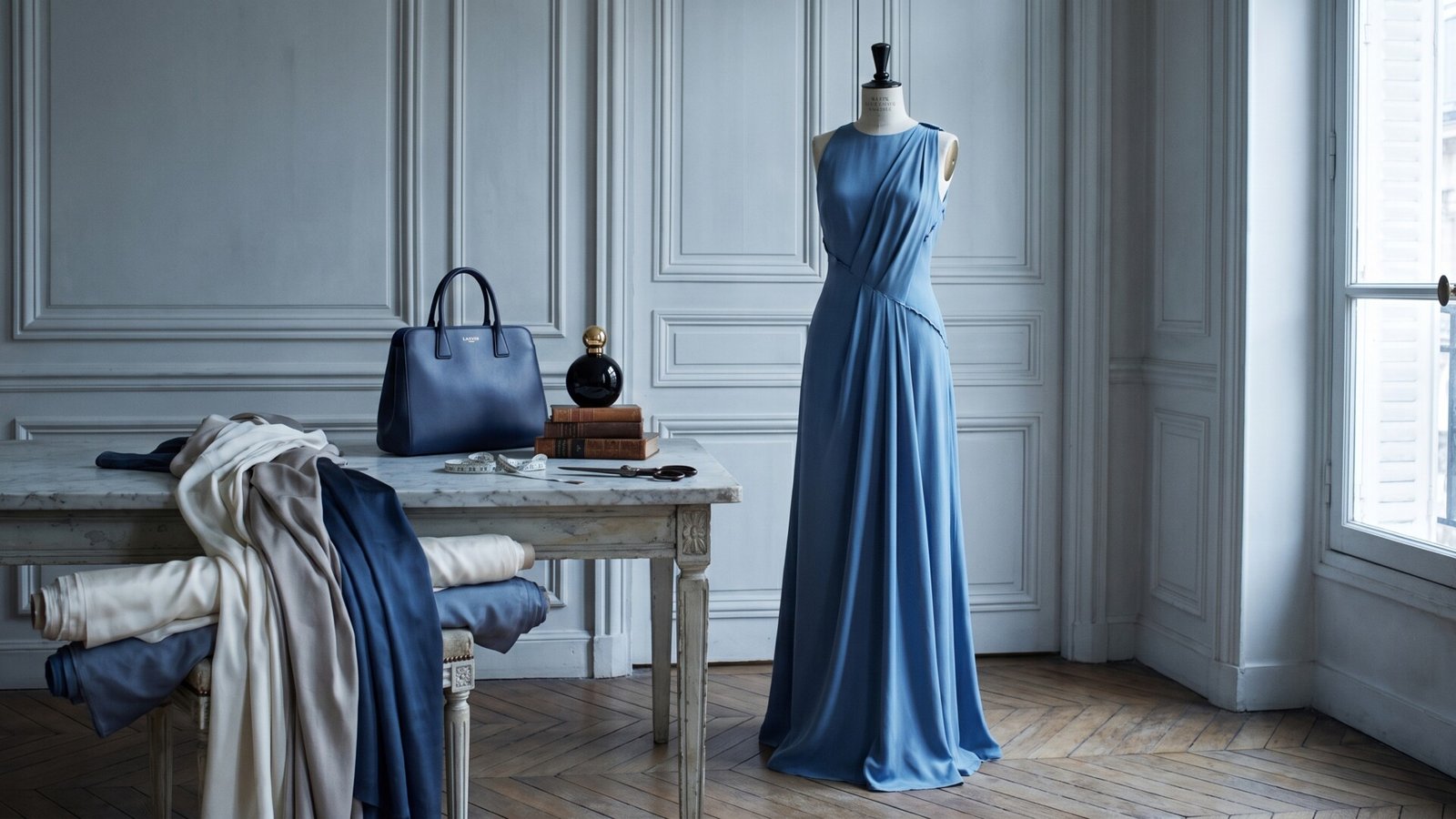
Lanvin: A Deep Dive into the Iconic French Fashion House
Lanvin occupies a singular position in the luxury fashion landscape. Founded in Paris in 1889 as a millinery shop, it is widely described as the oldest French fashion house still in operation, yet it remains one of the less discussed names in the modern market. While contemporaries like Chanel and Dior dominate headlines, Lanvin has kept a legacy built on romantic elegance, fluid tailoring and a distinctive sense of color.
For a buyer, Lanvin matters because of its heritage and because it offers something less common in an era of logo saturation: quiet luxury with real historical weight. It is also a house that has changed hands and creative directors several times in the last decade, which affects what you should expect from current collections. This article covers Lanvin’s history, signature products, craftsmanship, who runs the house now, resale and who the brand suits. [Explore our curated selection of Lanvin pieces to elevate your wardrobe](Affiliate: Shop Lanvin collection).
Quick Verdict Summary
Reasons to Buy
- Heritage and a distinct design language: Lanvin’s history of fluid silhouettes, rich color and romantic detail gives it a recognizable point of view that is not trend-chasing.
- Understated rather than logo-led: Pieces rely on cut, fabric and color instead of prominent branding, which suits buyers who prefer quiet luxury.
- Less hype around it: Because the house is less discussed than the biggest names, buyers can find distinctive pieces without the pressure of waiting lists.
Reasons to Avoid
- Frequent changes in creative direction: The house has had many designers since 2015, so the look has shifted, and its future direction depends on current leadership.
- Smaller resale market: Pre-owned demand is real but thinner than for the biggest houses, so liquidity is lower.
- Uneven availability: Not every collection is stocked everywhere, and some pieces are easier to find pre-owned than new.
Key takeaway: Lanvin suits buyers who value heritage, color and softness of cut over brand recognition, and who buy for pleasure instead of resale.
Lanvin at a Glance
| Detail | What to know |
|---|---|
| Founded | 1889, Paris, by Jeanne Lanvin (born 1867, died 1946) |
| Began as | A millinery shop; moved into children’s wear, then women’s fashion and accessories |
| Signature codes | Robe de style, “Lanvin blue”, mother-and-daughter logo, Arpège perfume |
| Golden era of modern revival | Alber Elbaz, artistic director from 2001 to 2015 |
| Recent creative directors | Bouchra Jarrar, Olivier Lapidus, Estrella Archs, Bruno Sialelli, then Peter Copping from 2024 |
| Ownership | Fosun acquired its majority in 2018; the business later became Lanvin Group, listed in New York |
Brand History
The story of Lanvin begins with a young woman in the hat trade and a daughter. Jeanne Lanvin, born in Paris in 1867, began working in millinery as a teenager and opened her own shop in 1889 on the Rue Boissy-d’Anglas. When her daughter Marguerite was born, Jeanne began making clothes for her, and the designs drew so much attention from other mothers that she expanded into children’s wear, then women’s clothing and accessories. She joined the Chambre Syndicale de la Couture in 1909 and later moved the house to the Rue du Faubourg Saint-Honoré.
Jeanne Lanvin was largely self-taught, and the house’s character reflects it. Lanvin designs have tended to emphasize movement, drape, color and emotion over rigid structure. The mother-and-daughter emblem, drawn by Paul Iribe in 1923 and inspired by a photograph of Jeanne and Marguerite in matching outfits, remains the house’s logo.
The house had its first golden era between the 1920s and 1930s. Jeanne Lanvin’s “robe de style” had a fitted bodice and a full skirt that referenced historical costume while feeling modern, and it became a signature. In 1927 the house launched Arpège, a perfume created to celebrate Marguerite’s 30th birthday. The name refers to the musical arpeggio.
The decades after Jeanne Lanvin’s death in 1946 were uneven. The house had a significant renaissance under Alber Elbaz, who became artistic director in 2001 and left in 2015. His draped dresses, witty accessories and warm approach to luxury revived Lanvin critically and commercially. “Lanvin blue”, the saturated shade tied to the house since Jeanne Lanvin’s time and reportedly inspired by a Fra Angelico fresco, is a color thread that runs through the house’s history rather than something invented by any one designer.
Since Elbaz’s departure, Lanvin has gone through several creative directors: Bouchra Jarrar (2016 to 2017), Olivier Lapidus (2017 to 2018), Estrella Archs (2018 to 2019), Bruno Sialelli (2019 to 2023) and, from 2024, Peter Copping, previously known for his work at Oscar de la Renta and Balenciaga. Ownership has changed as well: after Taiwanese publisher Shaw-Lan Wang bought the house in 2001, Shanghai-based Fosun acquired its majority in 2018, and the business was later renamed Lanvin Group and listed on the New York Stock Exchange.
For buyers, this period of transition is both a risk and an opportunity. The heritage is intact, but the direction is still being defined, and the pieces you find vary a lot depending on which era they come from.
Signature Products
Understanding Lanvin means looking at the pieces that define its aesthetic. Product names and availability change by season, so treat the descriptions below as a guide and check the house’s current range.
Lanvin Arpège
Arpège is one of the most historically significant fragrances in the house’s catalog, launched in 1927 for Marguerite’s 30th birthday. It is a floral fragrance; commonly listed notes include aldehydes, bergamot, jasmine, rose, lily of the valley, sandalwood and vetiver, though the formula has been adjusted over the decades and concentrations (eau de toilette, eau de parfum) differ. The black spherical bottle with gold lettering and the mother-and-daughter emblem is one of the most recognizable perfume bottles, and it has stayed essentially the same for nearly a century.
As a fragrance it offers an accessible way into the Lanvin world. Prices vary by size and retailer, so check current listings rather than relying on a single figure.
Lanvin Curb and Other Sneakers
Lanvin has been active in sneakers for years, and the chunky-soled Curb sneaker is among its best-known modern styles, made in leather and mixed materials in a range of color combinations. The appeal is a designer sneaker without large logos. Because styles rotate quickly, check the current listing for materials and country of manufacture.
Ready-to-Wear and Accessories
The house’s ready-to-wear remains its core: draped dresses, tailored jackets and eveningwear in rich colors, along with a men’s line. Handbags have changed with each creative director, which is why resale listings of Lanvin bags are so varied. If you are looking for a particular bag, search by its model name and era and compare listings.
Craftsmanship
Not all high-end brands maintain equivalent standards, and Lanvin’s production has varied with ownership and designers. Leather goods and ready-to-wear are produced at different sites, and the country of manufacture and materials are printed on the product page or label. Read them rather than assuming.
Where the house tends to stand out is in fabric and finish: fluid silks and crepes, draping that holds its shape, and evening pieces with embroidery or beading. To judge quality yourself, check seams and hems, lining finish, the weight of fabrics, and hardware. For a sense of how leather is graded and finished across French brands, see our materials guide to calfskin, quilted leather and suede.
Design Philosophy
Lanvin’s philosophy can be summarized as elegance with ease. The house has never been about avant-garde statements. Its designers have focused on pieces that enhance the wearer without overwhelming her.
Color is central. Jeanne Lanvin was known for her sense of color, and the house still uses deep jewel tones, Lanvin blue and unexpected combinations. That sets it apart from the monochrome tendencies of many contemporary houses.
The approach to silhouette emphasizes fluidity. Even structured pieces tend to allow ease of movement. The draped dresses of the Elbaz years are the clearest example, and the house’s references continue to shape collections. Modern Lanvin blends classic French dressmaking references with contemporary proportions.
Investment Value
Lanvin should be bought for enjoyment, not as an investment. The house has heritage and a loyal following, but its resale market is smaller than those of Chanel or Hermès, and frequent changes in direction make future values hard to predict.
Factors in its favor: strong heritage, a distinctive visual identity and collector interest in certain eras, notably the Elbaz years. Factors against: leadership turnover, thinner liquidity and uneven demand between pieces. For a more general look at how designer purchases hold value, read our Saint Laurent investment breakdown, which shows how to assess resale for a larger house.
If you buy Lanvin, treat resale as a bonus. Quality construction and timeless cut help, but they do not guarantee returns.
Resale Market
Pre-owned Lanvin is available on platforms such as The RealReal, Vestiaire Collective and Rebag, all of which offer authentication. Vintage pieces from the house’s earlier decades are more likely to appear through specialist dealers and auction houses, and condition, provenance and documentation matter a great deal for them.
Several factors affect value: condition (especially for leather goods), whether the original dust bag, box and paperwork are included, the designer era and the model’s popularity. Compare sold prices instead of asking prices, and remember that resale for the house is thinner than for the bigger names.
Counterfeits exist for most luxury brands, so buy from platforms that authenticate and be cautious of unusually low prices. No checklist or platform can guarantee authenticity.
Durability and Practicality
Good luxury purchases should survive real use. For Lanvin, durability depends on the piece. Leather goods and shoes benefit from regular conditioning and storage in dust bags; delicate silk and embellished evening pieces need careful handling and professional cleaning.
Styling is flexible. A Lanvin dress can be worn casually with flat sandals or formally with heels and statement jewelry, and sneakers move easily between casual and smart-casual outfits. Neutral shades are the easiest to integrate into an existing wardrobe, while the house’s signature colors make statement pieces.
Maintenance is reasonable: follow care labels, dry clean tailored and delicate items, condition leather every few months, and keep fragrances away from sunlight and heat.
Heritage and Cultural Impact
Jeanne Lanvin’s influence extended well beyond her own collections. Her robe de style anticipated recurring romantic revivals in fashion, and the house’s colors and narrative about mother and daughter gave it an unusual brand story for its time. Lanvin has dressed royalty, actresses and style leaders since the early 20th century, and it still appears on red carpets today.
Treat the more romantic parts of the house’s story as the brand’s own telling, and rely on the products and archives for judgment. For how the house compares with the bigger names, see our guides to Dior and Chanel.
Who Should Buy It
The ideal Lanvin buyer values understated elegance over visible branding and enjoys color and fluid silhouettes. If you prefer luxury to be conveyed by cut and fabric rather than logos, Lanvin fits.
Buyers who want a curated wardrobe and are happy to look beyond the biggest names will find it rewarding. Collectors with an interest in fashion history may appreciate vintage and Elbaz-era pieces. If you like the idea of a French leather house with a quieter profile, also look at Lancel, another underrated French name.
Lanvin may not suit everyone. Those who want bold, trend-forward design, maximum resale value or high brand recognition may be happier elsewhere.
How Lanvin Compares with Other French Houses
| House | Character | Best for | Read more |
|---|---|---|---|
| Lanvin | Romantic, colorful, fluid, low-logo | Dresses, eveningwear, color | This guide |
| Dior | Feminine, heritage-led, strong bag range | Statement bags and tailoring | Dior guide |
| Saint Laurent | Sharp, black-led, rock-chic | Tailoring, bags and heels | Saint Laurent guide |
| Celine | Minimal, intellectual | Quiet luxury basics | Celine guide |
| Balmain | Structured, power dressing | Bold tailoring | Balmain guide |
What Most Buyers Get Wrong
The first misconception is that Lanvin is a spent force. The house has faced leadership and ownership changes, but it is still operating, and it has a large archive and a clear visual heritage. The key is to judge each collection on its merits instead of assuming.
The second is that heritage guarantees value. It does not. History makes a house interesting, but resale depends on demand, condition and model.
The third is that Lanvin is old-fashioned. Its philosophy values timelessness, which is different from traditionalism, and many recent collections have been contemporary in proportion and styling.
The fourth is that all Lanvin eras are alike. Elbaz’s Lanvin, Sialelli’s Lanvin and the house under its current director look quite different, so check which era a piece comes from before judging the price.
Future Trend Analysis
Lanvin’s trajectory will depend on broader trends. The interest in quiet luxury favors houses that avoid loud logos, and heritage brands with deep archives have more to draw on. The preference for fewer, better pieces also suits the house’s focus on cut and fabric.
The main risk is consistency. The house’s success depends on a coherent design vision across seasons, and with ownership by a publicly listed group, results will be scrutinized. If the current leadership establishes a clear direction, the outlook is positive; if not, momentum may be hard to maintain.
Keep exploring: our guide to French luxury fashion houses, the Givenchy guide and the Maison Margiela guide.
Lanvin Through the Eras: What to Look For
Because the house has changed hands and designers so often, the era of a piece tells you a lot about its look, price and desirability. This overview helps when you are browsing new collections or pre-owned listings.
| Era | Creative lead | General character |
|---|---|---|
| 1889 to 1946 | Jeanne Lanvin | Robe de style, rich color, mother-and-daughter codes, Arpège |
| 2001 to 2015 | Alber Elbaz | Draped dresses, witty accessories, a critical and commercial revival |
| 2016 to 2019 | Bouchra Jarrar, Olivier Lapidus, Estrella Archs | A run of short tenures with shifting directions |
| 2019 to 2023 | Bruno Sialelli | Women’s and men’s collections with a more playful tone |
| 2024 onward | Peter Copping | A refinement-focused direction with women’s and men’s lines |
If you love the draped, witty look associated with the Elbaz years, search by that era when looking at resale listings. If you prefer a clean, modern wardrobe, newer collections are the safer starting point.
A Short Guide to Lanvin Fragrance
Fragrance is the most accessible way into the house. Arpège (1927) is the heritage option, a floral perfume whose bottle and logo carry the mother-and-daughter story. When buying, check the concentration printed on the bottle, because eau de toilette and eau de parfum differ in strength and longevity, and make sure the batch code and box match the product. Perfume ages best stored in a cool, dark place, away from heat, sunlight and bathroom humidity.
Fragrance preferences are personal, so try before you buy where you can, and remember that a scent smells different on skin than it does on a card.
How to Shop Lanvin Today
- Decide what you want from the house. A distinctive dress, a pair of sneakers, a fragrance or a vintage find each calls for a different route.
- Start with the brand’s own site and large retailers. Compare current prices and check the materials and country of manufacture on each product page.
- Consider pre-owned for older eras. Resale platforms are where earlier-era pieces appear, and prices are usually lower than new.
- Check fit before committing. Fluid cuts fit differently from structured ones, so consult size guides and reviews.
- Budget for care. Silks and tailored pieces often need dry cleaning, which adds to the cost of ownership.
Caring for Lanvin Garments and Accessories
Silk dresses and draped pieces keep their shape best on padded hangers or folded in acid-free tissue, away from direct light. Embellished or beaded evening pieces should be stored flat or hung carefully so that weight does not stretch the fabric. Always follow the care label, and use a professional dry cleaner who handles delicate fabrics for tailored and embellished items. Leather shoes and bags benefit from shoe trees or stuffing, dust bags and occasional conditioning. If you are storing a piece for a long period, check it every few months for moths and humidity.
Final Thoughts
Lanvin is a house to buy with your eyes and your wardrobe in mind, not with a spreadsheet. Its appeal lies in color, softness of cut and a story that reaches back to 1889. Its weakness is inconsistency across eras and a thinner resale market. If those trade-offs fit you, it can be a rewarding, quieter alternative to the biggest names. To keep exploring, compare it with the other houses in our guide to French luxury fashion, or read about Hermès and Louis Vuitton for the heavyweight end of the market.
Frequently Asked Questions About Lanvin
What is the history of Lanvin?
Jeanne Lanvin founded the house in Paris in 1889 as a millinery shop. It grew into children’s wear, women’s fashion and perfume, launching Arpège in 1927. It is widely described as the oldest French fashion house still in operation.
Who designs Lanvin now?
Peter Copping has led Lanvin’s creative direction since 2024, following Bruno Sialelli. Leadership at fashion houses changes often, so check Lanvin’s website for the latest.
What is Lanvin blue?
Lanvin blue is a saturated blue associated with the house since Jeanne Lanvin’s time. It is reportedly inspired by a Fra Angelico fresco.
Are Lanvin products worth the investment?
Buy Lanvin for enjoyment rather than as an investment. The house has a loyal following, but its resale market is smaller than those of the biggest houses and varies by era and model.
Where can I buy authentic Lanvin items?
From Lanvin’s website, luxury department stores and online retailers, or from authenticated resale platforms such as The RealReal and Vestiaire Collective. Check documentation and the seller’s reputation.
What is Lanvin Arpège?
Arpège is a floral perfume launched in 1927 to celebrate Marguerite Lanvin’s 30th birthday. It comes in a black spherical bottle with gold lettering and the mother-and-daughter logo.
How do I care for Lanvin pieces?
Follow the care label, dry clean tailored and delicate items, condition leather every few months, and keep fragrance away from sunlight and heat.