Dior Saddle Bag: Trend Piece or Timeless Icon?
The Dior Saddle Bag occupies a peculiar position in the luxury handbag hierarchy. Few accessories have generated as much debate among fashion insiders, collectors and casual buyers. John Galliano introduced it for Dior’s Spring/Summer 2000 ready-to-wear collection, and its asymmetrical silhouette, inspired by an equestrian saddle, defied the structured, ladylike handbag conventions of the time. After a period of declining interest in the late 2000s, Maria Grazia Chiuri reissued it in 2018, and it has been one of Dior’s most recognisable accessories ever since.
The central question for a buyer is not whether the Saddle Bag is well made. It is whether it belongs in a permanent collection or a passing trend cycle. The answer depends on understanding what you are actually buying.
This guide looks at the Dior Saddle Bag through design, practicality, materials, price and resale, and asks whether it deserves a place alongside the Chanel 19 and the Hermès Birkin as a wardrobe staple or is better left to collectors chasing early-2000s revivalism. For the full history of the house, see our Dior guide to bags, shoes and fashion.
Quick Verdict Summary
Strengths of the Dior Saddle Bag
- Unique and recognizable design: No other luxury handbag has a silhouette like the Saddle Bag. This distinctiveness works in its favor for those who value individuality over conformity.
- Versatile styling options: Despite its unusual shape, the Saddle Bag pairs with both casual and formal wardrobes when styled correctly.
- Active resale market: Pre-owned Saddle Bags are widely listed, and certain editions attract collector interest.
Weaknesses of the Dior Saddle Bag
- Trend-driven popularity may fluctuate: The revival is tied to early-2000s nostalgia, which may not sustain demand indefinitely.
- Practicality limitations: The curved shape reduces usable interior space compared with rectangular bags of similar dimensions.
- Counterfeit prevalence: The bag’s popularity has generated a large market of fakes, requiring careful authentication.
Key takeaway: The Saddle Bag combines distinctive design with strong brand heritage, but its long-term value depends on choosing the right version and accepting its limits as an everyday bag.
Dior Saddle Bag at a Glance
| Detail | What to know |
|---|---|
| Original designer | John Galliano, Spring/Summer 2000 collection |
| Reissued | 2018, under Maria Grazia Chiuri |
| Standard size | Approximately 25.5 x 20 x 6.5 cm (10 x 8 x 2.5 in) on Dior’s listing for the classic Saddle |
| Closure | Saddle flap with D stirrup charm and magnetic closure |
| Main materials | Dior Oblique jacquard canvas, calfskin, embroidery and seasonal fabrics |
| Typical new price* | Roughly $3,500 to $5,000 for core versions in the US; one Oblique embroidery version was listed at $4,100 |
| Best for | Light everyday carry and statement styling |
Design Analysis
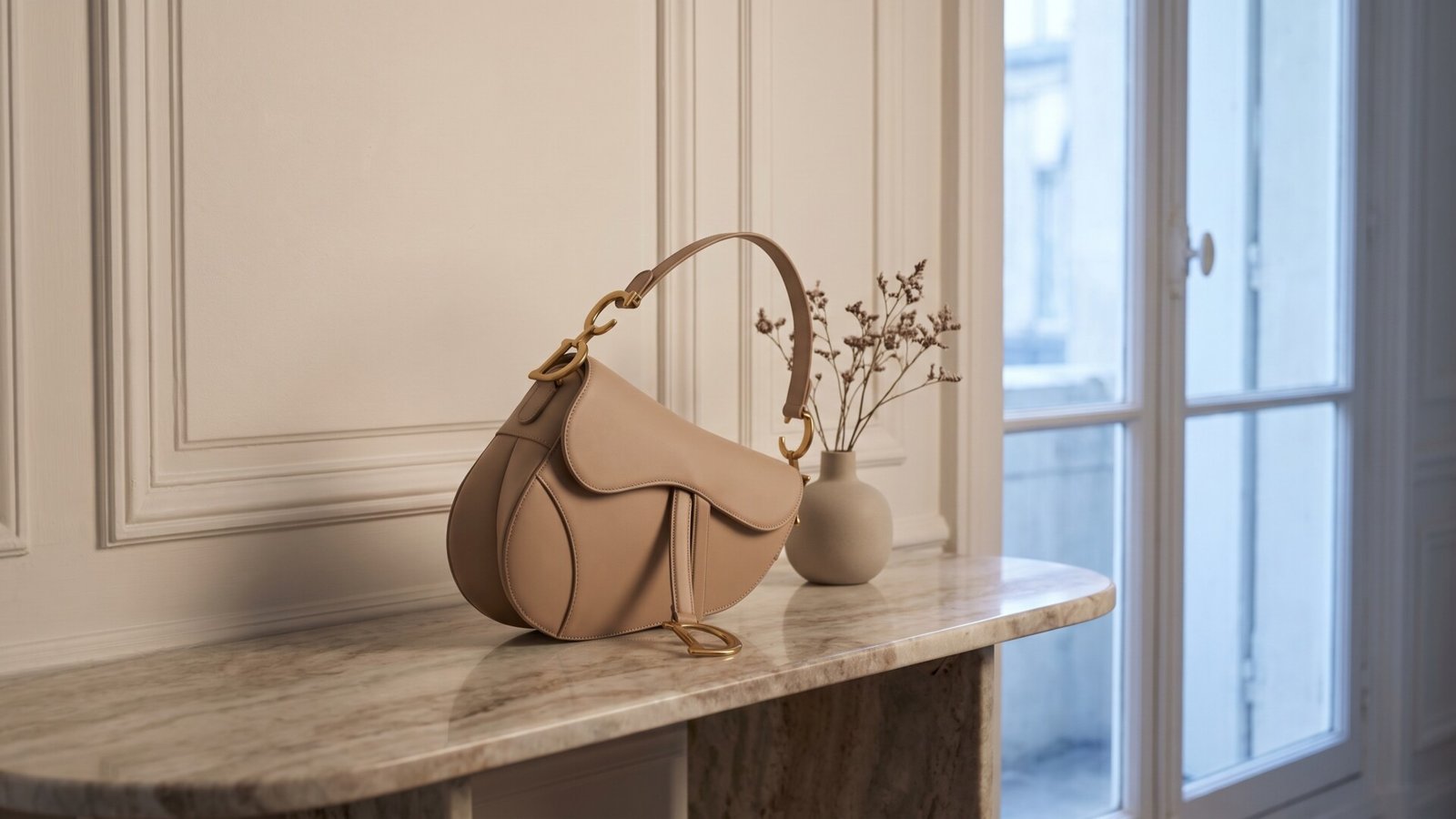
The Saddle Bag’s design is its most defining and most polarizing feature. The asymmetrical crescent shape, inspired by an equestrian saddle, breaks the rules of traditional handbag design. The front flap curves dramatically, closing magnetically beneath a metal “D” stirrup charm. The strap is typically detachable and adjustable, from shoulder length to crossbody.
What makes the design remarkable is its refusal to compromise. Most luxury handbags become iconic through versatility and understatement. The Saddle Bag does it through audacity. The shape changes how the bag functions: items must be arranged carefully, and rectangular objects such as phones and wallets need specific positioning.
The variations are extensive. Standard versions come in Dior’s Oblique canvas, a monogram pattern the house dates to Marc Bohan’s work in 1967, or in smooth calfskin. Seasonal and limited editions have included embroidery, beadwork, patchwork and other fabrics. The most collectible are typically those that push the design furthest, such as heavily embellished or micro versions that give up practicality for impact.
The “D” charm and the stirrup-inspired hardware are integral to the bag’s identity. Metal finish (gold or silver tone) varies by season and collection, and the strap hardware allows the strap to be swapped or removed.
Quality Assessment
Dior positions the Saddle Bag in its core handbag range, and the finishing reflects that. The Oblique canvas versions use a dense jacquard weave that resists fraying and is durable for a fabric bag, though it should not be treated as waterproof. Calfskin versions use a consistent grain with clean edge finishing. Dior’s listings describe the lining as cotton and calfskin on many versions, but this varies by season, so check the product page.
Compared with other luxury handbags in a similar bracket, the Saddle Bag holds up well. The Chanel Classic Flap relies on quilted leather and a more structured build, while the Louis Vuitton Neverfull is less expensive and uses coated canvas that is more resistant to wear. The Saddle Bag sits between the two in durability, with canvas versions generally more forgiving for daily use than pale leather ones.
Owners commonly mention two wear points: a magnetic closure that can loosen with heavy use, and the metal “D” charm marking the surface it rests against. Neither is a deal-breaker, but both are worth knowing for long-term ownership.
Practicality
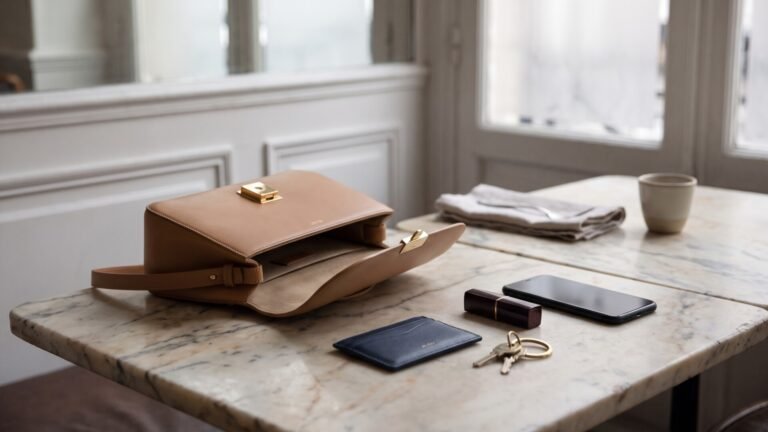
This is where the Saddle Bag faces its strongest criticism. At roughly 25.5 cm wide and 6.5 cm deep for the classic size, the curved profile means a phone, card holder, lipstick and keys fill it quickly. A 13-inch laptop is out of the question, and even a small tablet is difficult to fit.
Organization is minimal: an open interior with little internal structure, so small items can shift and be hard to retrieve. The magnetic flap is secure but usually needs two hands to open and close neatly.
Strap length matters. The strap is adjustable, and for smaller frames the bag sits comfortably at the hip, while for taller wearers the crossbody position may feel high. Worn on the shoulder, the curved shape can sit awkwardly under the arm.
For everyday use, the Saddle Bag works best for light carry. It is not a work bag, travel bag or diaper bag. Buyers who prioritize practicality should look at the Lady Dior (see also the mini vs medium size guide), the Dior Bobby or the Dior Book Tote.
Styling Versatility
Despite its shape, the Saddle Bag is versatile when styled correctly. The key is to let the bag be the statement piece and keep the rest of the outfit simple.
For casual wear it works with jeans, a white T-shirt and a blazer. The Oblique canvas version is particularly effective, as the monogram adds visual interest without being as formal as smooth leather.
For evening, leather versions in black or dark colors pair well with cocktail dresses and tailored separates. The small size suits events where a clutch is appropriate but you want hands-free convenience.
The most common styling mistake is over-accessorizing. The Saddle Bag is already a strong visual element, so statement jewelry, bold prints and multiple other accessories create clutter. Let the bag breathe.
Material Breakdown
The choice between canvas and leather is the most significant decision for Saddle Bag buyers.
Oblique Canvas: Dense and durable. It resists scratches and scuffs better than leather, and it is lighter. The downside is that canvas can show wear at corners and edges and is harder to clean than leather. It is also less formal.
Calfskin Leather: More formal and more luxurious in feel, and it develops a patina some collectors value. It is also more prone to scratches, water marks and color transfer, and light colors need careful maintenance.
Seasonal and Limited Materials: Dior has released the Saddle in denim (a nod to Galliano’s original), embroidered fabrics, beading and patchwork. These are more fragile and less practical for daily use, and appeal mainly to collectors.
For most buyers, Oblique canvas offers the best balance of durability, weight and price. Leather suits those who prioritize formality and will maintain it.
How Much Does the Dior Saddle Bag Cost?
Dior does not publish a single price: it depends on material, size and finish. At the time of writing, core versions in the US sit roughly in the $3,500 to $5,000 range, with one Oblique embroidery version on Dior’s site listed at $4,100. Embellished, beaded or special editions cost more, and pre-owned examples are typically priced below new retail depending on condition and edition.
Because luxury prices change frequently, always confirm the current figure on Dior’s website or an authorized retailer before budgeting.
Investment Value
The Saddle Bag has a well-documented resale market, but returns are not uniform and not guaranteed. Standard versions generally resell for less than their retail price, as most luxury handbags do. Rarer editions, sought-after colorways and well-kept examples are the ones most likely to hold or gain value.
The factors that drive value are rarity, condition and cultural relevance. Standard versions are unlikely to appreciate significantly, while limited editions with strong collector appeal can do better. Compared with the Hermès Birkin and the Chanel Classic Flap, the Saddle Bag has a shorter track record of long-term appreciation.
It is more comparable to other design-led revivals such as the Fendi Baguette, which also depend on cultural momentum. Check recent sold prices for the exact version you are considering rather than relying on averages.
Resale Market Insights
Platforms such as The RealReal, Vestiaire Collective and Rebag carry steady inventory of pre-owned Saddle Bags.
In general, Oblique canvas versions are the most commonly listed and easiest to place, while leather versions in less popular colors may take longer. Limited editions sell at higher price points but to a narrower audience.
Condition is the main factor. Bags with minimal corner wear, intact hardware and the original dust bag and box command better prices than those with scratched hardware or damaged lining.
Authenticity is a significant concern, since the Saddle Bag is widely counterfeited. Buy only from reputable platforms that offer authentication, and remember that no checklist or platform can guarantee authenticity. If a price looks too good to be true, treat it with suspicion.
Classic Oblique canvas and black leather are the safest choices for resale; bright colors and unusual materials are more niche.
Heritage and Brand History
Christian Dior founded his house in 1946, and the 1947 New Look, with its cinched waists and full skirts, redefined women’s fashion. The house’s reputation rests on tailoring, craftsmanship and a distinctly French sensibility. For how Dior compares with other maisons, see Dior vs Saint Laurent and Dior vs Gucci.
The Saddle Bag was shown in Galliano’s Spring/Summer 2000 ready-to-wear collection. Galliano’s tenure was marked by theatricality and historical references, and the Saddle fit that vision. It was designed to be provocative and memorable rather than a quiet classic.
Interest in the bag declined in the late 2000s. It returned in 2018 when Maria Grazia Chiuri reissued it in several formats, backed by a heavy social media campaign. Chiuri’s Dior stayed in place until her exit was announced in 2025; Jonathan Anderson was subsequently named to lead Dior’s creative direction. Creative leadership at Dior changes, so check the house’s site for the latest.
The revival was part of a broader return to early-2000s design, alongside re-releases of other period icons. What distinguishes the Saddle is that interest has lasted well beyond the initial wave, which suggests lasting appeal, although it is too early to call it a permanent classic.
Buyer Profiles
The Dior Saddle Bag appeals to several distinct buyer types.
The Fashion Enthusiast: Values design and cultural relevance above all. The unique silhouette and Dior heritage satisfy that.
The Collector: Interested in the bag’s place in fashion history and in limited editions that may hold value. Willing to pay a premium for exclusivity.
The Aspirational Buyer: Wants a recognizable, prestigious bag. May be disappointed by the practicality limits.
The Quiet Luxury Buyer: Typically prefers understated designs with minimal branding. The shape and the “D” charm are inherently attention-seeking, so this is probably not the bag for them.
For most buyers, the Saddle Bag works best as a second or third luxury handbag, a statement piece that complements a more practical collection.
Care and Maintenance Tips
Store the bag stuffed with acid-free tissue in its dust bag so the curved flap keeps its shape. Avoid overfilling, which strains the magnet and stresses the seams. Keep canvas away from dye transfer from dark denim, wipe spills quickly with a soft dry cloth, and use a professional cleaner for stains on pale leather or embroidery. Rotate bags rather than using one every day.
What Most Buyers Get Wrong
The most common misconception is that the Saddle Bag is too impractical to use. The curved shape limits capacity, but the bag is functional for daily essentials such as a phone, card holder, keys and lipstick. The issue is not that it cannot hold anything; it is that it cannot hold everything.
Another is that it is a passing trend. It has been in and out of production for over two decades and has survived a decline and a revival, though that is no guarantee of the future.
Buyers also underestimate the importance of condition when purchasing pre-owned. Corner wear and damaged hardware are hard to restore, and the curved shape can make repairs more involved than on a rectangular bag.
Finally, many overestimate the investment potential of standard versions. It is a desirable bag with an active resale market, but not a guaranteed investment.
Future Trend Analysis
The Saddle’s future depends on several factors.
First, the early-2000s nostalgia that drove its revival will eventually fade. Fashion cycles are shortening, and what feels fresh today may feel dated in five years. However, the bag has already survived one cycle and may continue to find new buyers through vintage markets and social media.
Second, Dior’s creative direction will influence its trajectory. If designers keep reinterpreting the Saddle, it will stay relevant; if it is retired again, scarcity could support pre-owned prices.
Third, taste is shifting toward quieter, more practical designs. The Saddle’s expressive shape runs against the quiet luxury trend, so it may appeal as a counter-cyclical choice for buyers who want to stand out. If quiet luxury is your lane, our guide to French luxury fashion houses will point you to quieter options.
The likeliest outcome is that the Saddle remains a cult favorite with a dedicated following rather than a universal classic like the Chanel Classic Flap.
Contrarian Insights
The prevailing narrative is that the Saddle Bag is a trend piece that will lose its appeal. That view underestimates its design significance: it is not a color or a logo belt but a silhouette that challenged conventions and has stayed in the conversation for over two decades.
Another view is that its impracticality is a strength. In an era of oversized bags, the Saddle forces you to edit what you carry, which fits a more intentional approach to consumption.
Dior’s 2023 attempt to register the bag’s shape as a trademark in the EU was refused on the grounds that the design lacked distinctiveness, a reminder that the shape itself is widely imitated, which is another reason to buy only from trusted sources.
Related reading: the Lady Art collector’s guide and Dior Lady Art 2026.
Dior Saddle Bag Versions Explained
The Saddle name covers more than one product, which is a common source of confusion when comparing prices and reading listings. Knowing the main versions helps you shop more accurately.
- Classic Saddle: The curved flap bag with the D stirrup charm that most people picture. Dior’s current listings give the standard size as roughly 25.5 x 20 x 6.5 cm.
- Saddle with strap: Dior also lists versions sold with a shoulder strap as part of the product, which changes how the bag is worn and what it costs. Check whether a strap is included before comparing prices.
- Mini and micro formats: Smaller versions have appeared across seasons. They give up even more capacity for visual impact, so they work best as occasion bags.
- Men’s versions: Kim Jones designed a men’s Saddle for Dior Homme in 2019, which is a separate line with its own materials and editions.
- Vintage Galliano-era bags: Original early-2000s examples were made in materials such as denim and leather and have a different feel from the current reissue. They are collectible, but condition and authenticity checks matter even more.
Saddle Bag vs Other Dior Bags: Which One Fits Your Life?
| Bag | Best for | Trade-off | Read more |
|---|---|---|---|
| Saddle | Statement styling, light carry | Curved, limited capacity | This guide |
| Lady Dior | Structured, dressier everyday use | More formal; handle-led | Lady Dior review |
| Bobby | Easy everyday shoulder bag | Less distinctive silhouette | Bobby review |
| Book Tote | Work, laptop-adjacent carry | Large, embroidered canvas needs care | Book Tote review |
If your decision is between Dior and another house entirely, our comparisons of Dior vs Gucci and Dior vs Saint Laurent cover the wider picture. Collectors may also like our guide to the Lady Art editions.
Buying Checklist: New vs Pre-Owned
Whether you buy from Dior or from a resale platform, a short checklist avoids most regrets.
- Decide how you will carry it. Try the strap at your usual length, hip, shoulder and crossbody, and make sure your phone fits comfortably before you commit.
- Choose material by lifestyle. Oblique canvas is the more forgiving everyday option, while pale calfskin and embroidered versions suit occasional use.
- Check the closure. On pre-owned bags, the magnet should hold the flap firmly and the D charm should sit securely and not rattle.
- Inspect corners and edges. Rubbed canvas, cracked edge paint or darkened corners are the most common signs of heavy use.
- Look inside. Check the lining for ink, stains or odor and confirm all seams and the interior pocket are intact.
- Compare price against recent sales. Use sold listings for the exact version and condition, not asking prices.
- Confirm the return policy. A seller or platform that allows returns gives you room to verify the bag in person.
The Verdict: Trend Piece or Timeless Icon?
The honest answer sits between the two labels. The Saddle is no longer a one-season trend: it has been designed, shelved and revived across more than two decades, and it remains instantly recognizable. But it is not a timeless basic in the way a rectangular black leather bag is. Its appeal depends on taste for an unusual shape, which is why it works best as a deliberate choice rather than a default purchase.
Buy it if you love the silhouette, can live with light carry, and see it as part of a wider wardrobe. Skip it if you need a single everyday bag, are buying primarily for resale, or prefer quieter designs. For a house-wide view of where it fits, return to our Dior guide or the full list of French luxury fashion houses.
Frequently Asked Questions About Dior Saddle Bag
What is the Dior Saddle Bag made of?
Most Saddle Bags are made from Dior Oblique jacquard canvas or calfskin, with metal hardware and a D stirrup charm. Seasonal editions use embroidery, beading, denim and other fabrics. Check the product page for the exact materials of the version you are buying.
How much does a Dior Saddle Bag cost?
At the time of writing, core versions cost roughly $3,500 to $5,000 in the US, with embellished or special editions costing more. Prices change often, so confirm on Dior’s website.
When did the Dior Saddle Bag come out?
John Galliano designed it for Dior’s Spring/Summer 2000 collection. It was reissued in 2018 under Maria Grazia Chiuri.
How does the Dior Saddle Bag compare to other luxury handbags?
It offers a distinctive design and strong brand recognition, but limited interior space. It is less practical than rectangular bags such as the Louis Vuitton Neverfull and has a shorter record of long-term value than the Chanel Classic Flap or Hermès Birkin.
Is the Dior Saddle Bag worth the investment?
It has an active resale market, but no handbag is a guaranteed investment. Standard versions typically resell for less than retail, while rarer editions in good condition may do better. Buy it because you like it, and check recent sold prices for the exact version.
What can you fit in a Dior Saddle Bag?
A phone, card holder, keys and a lipstick fit comfortably. It will not hold a laptop or tablet, and the curved shape makes larger items awkward.
Are there counterfeit Dior Saddle Bags?
Yes, the bag is widely counterfeited. Buy from Dior, authorized retailers or reputable resale platforms with authentication, and check stitching, hardware and canvas pattern. No checklist can guarantee authenticity.