Dior vs Saint Laurent: Feminine vs Rock Chic
The luxury fashion landscape presents few contrasts as compelling as the one between Dior and Saint Laurent. On one side stands Dior, the house that defined postwar femininity with its New Look silhouette and continues to champion romantic elegance. On the other stands Saint Laurent, the brand that liberated women through the tuxedo jacket and built its identity on rebellious, rock-infused glamour.
For the discerning luxury shopper, this is not merely a question of aesthetics. It is a question of identity, investment, and long-term wardrobe strategy. Dior and Saint Laurent represent two fundamentally different approaches to luxury, two distinct philosophies about what it means to dress well, and two separate paths for building a meaningful collection.
This guide examines both brands through the lens of a value-conscious buyer. We will compare their design philosophies, craftsmanship standards, practical usability, and investment potential. By the end, you will understand not just which brand is “better,” but which brand is better for you.
Quick Verdict Summary
Dior Strengths
- Unmatched heritage in feminine, structured design
- Exceptional craftsmanship with rigorous attention to detail
- Strong resale value, particularly for classic handbag silhouettes
- Broad recognition as a pinnacle of Parisian luxury
Saint Laurent Strengths
- Superior versatility across casual and formal contexts
- Edgy aesthetic that translates well into modern streetwear
- More accessible entry price points for certain categories
- Strong cultural relevance with younger luxury consumers
Key Takeaway: Dior excels for buyers seeking timeless, investment-grade femininity with strong resale potential. Saint Laurent wins for those who want edgy versatility and modern cultural relevance. Neither brand is objectively superior; your choice depends entirely on your personal style priorities and investment goals.
Dior vs Saint Laurent at a Glance
| Dior | Saint Laurent | |
|---|---|---|
| Founded | 1946 (Christian Dior) | 1961 (Yves Saint Laurent) |
| Parent group | LVMH | Kering |
| Signature bag | Lady Dior (1995) | Sac de Jour (2013) |
| Signature look | Structured, feminine, cannage | Sharp tailoring, rock chic |
| Creative leadership (Nov 2026) | Jonathan Anderson | Anthony Vaccarello’s departure confirmed Oct 2026; successor not yet named |
| Best for | Occasion pieces and polished dressing | Versatile, day-to-night wardrobes |
Understanding the Aesthetics of Dior
The Feminine Foundation
Christian Dior founded his house in 1946, and within a year, he revolutionized fashion with the New Look. The wasp waist, the full skirt, the emphasis on an exaggerated hourglass silhouette—these were not merely design choices. They were a deliberate rejection of wartime austerity and a celebration of femininity as Dior understood it.
This founding philosophy persists today, even under creative directors who have modernized the house. Dior’s aesthetic remains rooted in structured elegance, floral motifs, and a certain aristocratic refinement. The brand does not do casual well, and it does not try to. Dior is for moments that demand polish.
Key Elements of Dior’s Design Language
The Dior woman is not trying to blend in. She is making a statement, but the statement is about refinement rather than rebellion. Key design elements include:
- Tailored silhouettes that emphasize the waist and create a defined shape
- Floral and botanical motifs, particularly the lily of the valley that was Dior’s favorite flower
- Subtle branding through the Cannage quilted pattern and the Dior Oblique monogram
- Neutral and pastel color palettes with occasional bold accent colors
- Structured handbags that maintain their shape even when empty
Signature Pieces: The Foundation of the Collection
Lady Dior Bag
The Lady Dior is perhaps the most recognizable handbag in the brand’s lineup. Introduced in 1995 and famously carried by Princess Diana, this bag features the Cannage quilted pattern, D.I.O.R. charms hanging from the top handle, and a structured rectangular silhouette.
The Lady Dior is not a practical everyday bag. Its top handles require hand-carrying, and the rigid structure limits capacity. But that is not the point. This is a statement piece, designed for events, dinners, and occasions where appearance matters more than convenience.
A third-party price guide lists roughly $5,200-$5,900 for the Mini and $6,800-$7,600 for the Medium in the US (approximate, November 2026). Our Lady Dior guide covers sizes and resale in detail; resale depends on size, color and condition, so treat it as a bag to use rather than a guaranteed investment.
Miss Dior Perfume
While not an investment piece in the traditional sense, Miss Dior represents the brand’s olfactory identity. Launched in 1947 alongside the New Look, it is still sold today. Formulations have been updated over the years, and the scent is commonly described as floral, reinforcing the brand’s feminine positioning.
Dior Book Tote
Introduced under Maria Grazia Chiuri in the late 2010s, the Book Tote has become a modern icon. Its oversized canvas construction, embroidered Dior Oblique pattern, and unstructured shape represent a departure from Dior’s traditionally structured aesthetic. Despite this, it has achieved cult status.
The Book Tote is more practical than the Lady Dior, capable of carrying a laptop, makeup bag, and daily essentials. However, its open top and lack of closure make it less secure for travel. Prices vary by size and embroidery, so confirm current figures with Dior.
Exploring the Rock Chic Identity of Saint Laurent
The Rebellious Foundation
Yves Saint Laurent founded his house in 1961 after leaving Dior. This origin story is essential to understanding the brand’s identity. Saint Laurent was the rebel who broke from the establishment, and his designs reflected that defiance.
The most significant contribution was Le Smoking, the women’s tuxedo introduced in 1966. At a time when women were expected to wear dresses to formal events, Saint Laurent offered an alternative that was both elegant and subversive. This single garment redefined what femininity could look like in fashion.
Under creative directors including Hedi Slimane (from 2012) and Anthony Vaccarello (from 2016), Saint Laurent has doubled down on this rock chic identity. The house’s image to date has been dark, sultry, and slightly dangerous. Note that Saint Laurent confirmed on October 9, 2026 that Vaccarello is stepping down after about a decade, with his Spring/Summer 2027 show in September his last; no successor had been named at the time of writing, so the direction may change.
Key Elements of Saint Laurent’s Design Language
The Saint Laurent woman is confident, independent, and unapologetic. She does not seek approval. Key design elements include:
- Sharp tailoring with an emphasis on shoulders and clean lines
- Dark color palettes dominated by black, with occasional jewel tones
- Leather and patent finishes that add edge to classic silhouettes
- Bold hardware on handbags, often featuring the YSL monogram prominently
- Androgynous silhouettes that blur traditional gender boundaries
Signature Pieces: The Foundation of the Collection
Le Smoking Jacket
No single garment defines a brand quite like Le Smoking defines Saint Laurent. This is not merely a jacket; it is a statement about female empowerment through fashion. The original design featured a mannish cut with feminine details, creating a silhouette that was both powerful and alluring.
Modern iterations remain true to the original spirit. The key is perfect tailoring—the jacket must fit flawlessly at the shoulders and waist. Prices vary by season and cut, so check Saint Laurent’s current listings.
Sac de Jour Bag
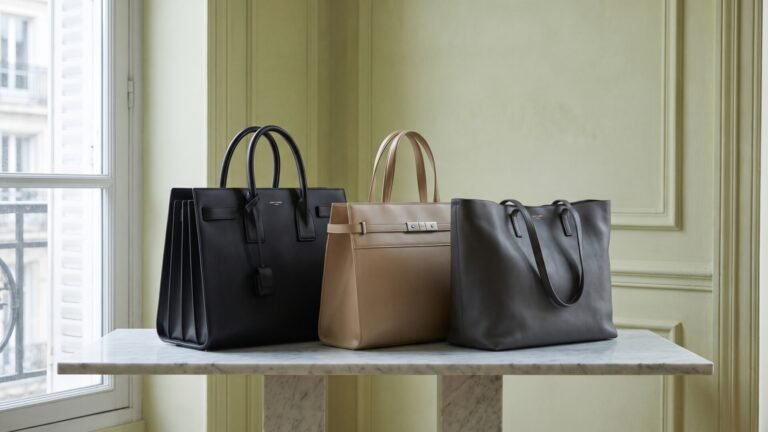
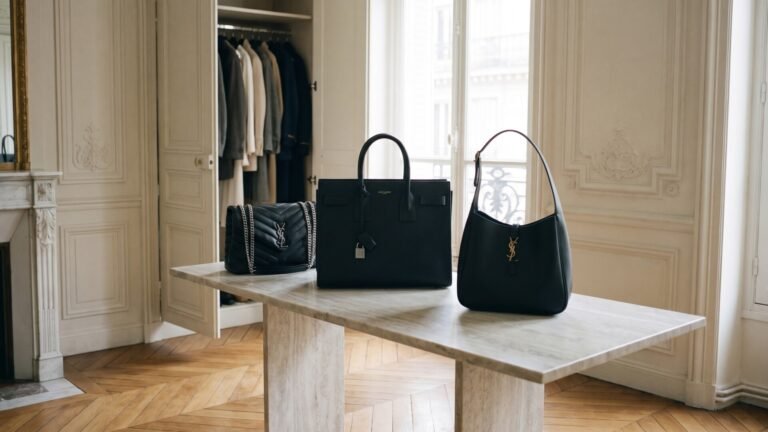
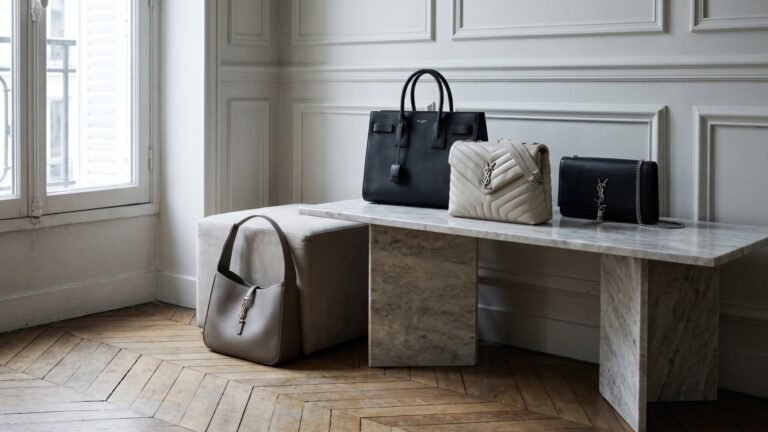
Introduced in 2013 under Hedi Slimane, the Sac de Jour has become one of Saint Laurent’s best-known structured work bags, a professional handbag that signals success without shouting. The design is deceptively simple: a rectangular silhouette with top handles, a detachable shoulder strap, and minimal hardware.
The Sac de Jour is built for work: it is designed to hold documents and daily essentials, and the structured shape is meant to keep its form when loaded. Several sizes are sold, from Baby upward, so check the dimensions of the exact size before assuming a laptop will fit. Prices vary by size, leather and season, so confirm current figures with Saint Laurent.
Resale depends on size, leather and condition. The Sac de Jour is generally seen as a work bag first rather than a collector’s piece like the Lady Dior, and it is more wearable for daily professional use.
Saint Laurent Court Classic Sneakers
For buyers seeking entry-level Saint Laurent, the Court Classic sneakers offer accessible pricing without sacrificing brand identity. These leather sneakers feature the YSL monogram on the side and a clean, minimalist design.
Sneakers generally cost far less than the brand’s handbags or ready-to-wear, though you should confirm the current price with Saint Laurent. They also offer strong versatility, pairing equally well with jeans and dresses.
Design Philosophy and Craftsmanship
Dior’s Approach to Construction
Dior’s craftsmanship is rooted in traditional French atelier techniques. The house operates multiple workshops in France, each specializing in specific categories—leather goods, ready-to-wear, couture.
For handbags, the process is rigorous. Dior describes the Lady Dior as made largely by hand in its own workshops, with the cannage stitching and the D.I.O.R. charms as defining details. We have not verified labor-hour figures, and the leather varies by version (lambskin is the classic, with calfskin and other options).
This commitment to craftsmanship comes at a cost. Prices reflect materials and labor, but also brand positioning. Well-cared-for Dior pieces can age well, though leather type matters. The core Lady Dior design has stayed recognizable since the 1990s, which helps older bags look current.
Saint Laurent’s Approach to Construction
Saint Laurent’s craftsmanship philosophy is different. The brand emphasizes innovation in materials and silhouettes rather than traditional construction techniques. This is not to say that Saint Laurent pieces are poorly made—they are not. But the focus is on design impact rather than artisanal complexity.
For example, the Sac de Jour is typically made in calfskin, and grained finishes are generally more forgiving of scratches than smooth lambskin. This is a practical choice that aligns with the bag’s intended use as a daily work bag.
Saint Laurent collections often feature patent leather, metallic finishes and, in some seasons, exotic skins (Dior also uses patent leather). These materials offer visual impact but require more careful maintenance.
The Craftsmanship Trade-Off
The difference in craftsmanship philosophy creates a clear trade-off. Dior offers traditional excellence that ages gracefully but demands higher maintenance. Saint Laurent offers modern practicality that withstands daily wear but may not develop the same patina or collector appeal.
For the buyer, the question is whether you value heritage construction or modern usability. There is no wrong answer, but the choice affects long-term satisfaction.
Practicality and Versatility
Dior in Daily Life
Dior’s pieces are designed for specific occasions rather than daily wear. The Lady Dior is an event bag, not a commuter bag. The Book Tote is a travel bag, not a work bag. This specialization means that Dior pieces excel in their intended contexts but feel out of place in others.
The practical challenge with Dior is that most pieces require intentional styling. You cannot throw on a Dior handbag with gym clothes and expect it to look appropriate. The brand demands a certain level of polish from the wearer.
For buyers who attend events, dinners, and formal occasions regularly, Dior pieces earn their keep. For those whose lives are more casual, Dior may feel like a wardrobe that sits unused.
Saint Laurent in Daily Life
Saint Laurent’s pieces transition more easily across contexts. The Sac de Jour works equally well for a board meeting and a dinner date. The Le Smoking jacket can be dressed up with heels or down with jeans. The Court Classic sneakers are genuinely casual.
This versatility is Saint Laurent’s strongest practical advantage. A single Saint Laurent piece can serve multiple roles, reducing the need for a large collection. For the minimalist buyer who wants maximum utility from each purchase, Saint Laurent is the better choice.
The caveat is that Saint Laurent’s edgy aesthetic may not suit conservative workplaces or formal events. The brand’s dark, rock-inspired look can feel out of place at a wedding or a traditional business meeting.
The Practicality Verdict
Saint Laurent wins on pure practicality and versatility. Dior wins on occasion-specific excellence. The right choice depends on your lifestyle and how you intend to use the pieces.
Investment Potential and Resale Value
Dior’s Resale Performance
Dior handbags are widely traded on the resale market, and classic Lady Dior styles are among the easier Dior bags to sell. Resale prices vary with size, color, leather and condition, and we have not verified current percentage-of-retail figures. Some limited editions sell above retail, but many do not.
Several factors drive Dior’s resale strength:
- Brand recognition that spans generations
- Classic designs that do not date quickly
- Long-running core designs that buyers recognize
- International demand that supports resale
For buyers who think about resale, classic Dior silhouettes are generally the easier path, though nothing is guaranteed. The key is to buy classic silhouettes in neutral colors. Trend-driven pieces in bright colors or unusual materials tend to lose value faster.
Saint Laurent’s Resale Performance
Saint Laurent’s resale performance is more mixed. Classic pieces like the Sac de Jour tend to resell more easily than trend-driven pieces with heavy hardware or unusual materials, but we have not verified percentage figures. Ready-to-wear such as Le Smoking depends heavily on size, condition and season.
The challenge for Saint Laurent is that the brand’s identity is tied to trendiness. The rock chic aesthetic is inherently edgy, and what feels cutting-edge today may feel dated tomorrow. This creates more volatility in resale values.
However, Saint Laurent also offers opportunities for savvy buyers. The brand frequently collaborates with artists and designers, creating limited edition pieces that some collectors seek out. These are higher risk but also higher reward.
The Investment Verdict
Classic Dior silhouettes are generally the easier resale choice, though neither brand guarantees returns. Saint Laurent offers higher potential returns for those willing to take calculated risks on limited editions.
For the conservative investor, Dior wins. For the speculative collector, Saint Laurent may offer more upside.
Consumer Psychology: Buyer Motivations
Why Buyers Choose Dior
Dior buyers are motivated by a specific vision of femininity. They want to project elegance, refinement, and tradition. The Dior woman is not trying to shock or challenge; she is trying to embody a timeless ideal.
This motivation is often tied to life stage. Dior can appeal to buyers who want established, polished pieces. They no longer need to prove themselves through edgy fashion; they want pieces that signal their place in the world.
There is also a collector psychology at work. Dior buyers often build collections over years, acquiring pieces that complement each other. The satisfaction comes not just from individual purchases but from the cumulative effect of a curated wardrobe.
Why Buyers Choose Saint Laurent
Saint Laurent buyers are motivated by a different set of values. They want to project confidence, independence, and cultural awareness. The Saint Laurent woman is comfortable with her sexuality and her power; she does not need to soften her image.
This motivation can appeal to buyers who see fashion as self-expression. Saint Laurent’s rock chic identity resonates with women who see fashion as self-expression rather than social signaling.
There is also a rebellion psychology at work. Choosing Saint Laurent over Dior is itself a statement—a rejection of traditional femininity in favor of something more complex and interesting.
The Psychology Verdict
Both brands serve their buyers well, but they serve different psychological needs. Dior satisfies a desire for tradition and refinement. Saint Laurent satisfies a desire for individuality and edge. Understanding your own motivations will help you choose the brand that aligns with your identity.
What Most Buyers Get Wrong
Misconception One: Dior is Only for Formal Occasions
Many buyers assume that Dior pieces are too formal for daily use. This is partially true for pieces like the Lady Dior, but the Book Tote and the Dior Bobby Bag are designed for everyday wear. The key is choosing the right silhouette for your lifestyle.
Misconception Two: Saint Laurent is Only for Young People
Saint Laurent’s edgy aesthetic leads many to assume it is only appropriate for buyers under 30. In reality, the brand’s tailoring and classic silhouettes work across age groups. The Le Smoking jacket, in particular, is ageless when properly styled.
Misconception Three: Investment Value is Guaranteed
Neither brand guarantees investment returns. Resale values depend on condition, rarity, and market trends. Buyers who purchase solely for investment potential often end up disappointed. The safest approach is to buy pieces you love and consider resale value a bonus.
Misconception Four: Higher Price Means Higher Quality
Dior’s higher prices do not automatically mean higher quality than Saint Laurent. Both brands produce excellent craftsmanship, but they prioritize different aspects of construction. Price differences often reflect brand positioning and production costs rather than objective quality differences.
The Hidden Advantages of Each Brand
Dior’s Hidden Advantage: The Couture Connection
Dior is a member of the Fédération de la Haute Couture et de la Mode and shows haute couture collections in Paris. The house says its ready-to-wear draws on techniques developed in the couture atelier. Ready-to-wear is not couture, though: haute couture is a protected designation, and ready-to-wear is made to standard sizes.
Tailoring and finishing are where buyers most often look for that influence. Dior’s jackets and dresses may show careful internal construction, but we have not compared it with other brands at similar prices.
Saint Laurent’s Hidden Advantage: The Accessories Ecosystem
Saint Laurent has built a comprehensive accessories ecosystem that allows buyers to build a head-to-toe look without leaving the brand. Shoes, belts, jewelry, scarves, and sunglasses all share the same design language, making it easy to create cohesive outfits.
This ecosystem is particularly valuable for buyers who want a signature look. By investing in multiple Saint Laurent accessories, you can create a personal style that is instantly recognizable.
Future Trend Analysis
Dior’s Trajectory
Dior is likely to continue its focus on femininity and heritage, but with increasing nods to contemporary trends. The Book Tote’s success has shown that the brand can innovate within its identity. Jonathan Anderson now leads Dior’s design after Maria Grazia Chiuri left in 2025, so the direction of the bags may change; we do not forecast it.
The challenge for Dior is maintaining relevance with younger buyers. The brand’s traditional positioning may feel outdated to Gen Z consumers who prioritize authenticity and individuality over heritage. Dior will need to find ways to modernize without losing its core identity.
Saint Laurent’s Trajectory
Saint Laurent’s next chapter depends on who succeeds Anthony Vaccarello, whose departure the house confirmed in October 2026. The brand’s rock chic aesthetic aligns with current trends toward individual expression and rejection of formal dress codes.
The risk for Saint Laurent is overexposure. As the brand expands into more categories and price points, it may dilute its exclusivity. Buyers who value the brand’s edgy identity may look elsewhere if Saint Laurent becomes too mainstream.
The Future Verdict
Both brands have strong positions, but they face different challenges. Dior must modernize without losing its heritage. Saint Laurent must maintain its edge while growing its audience. The brand that navigates these challenges better will emerge stronger in the long term.
Who Should Invest in Dior
You should invest in Dior if:
- You value tradition and heritage in your luxury purchases
- You attend formal events and occasions regularly
- You prefer structured, feminine silhouettes
- You want pieces that retain resale value reliably
- You are building a curated collection over time
Dior is ideal for buyers who see luxury as an investment in lasting quality and timeless style. The brand rewards patience and discernment.
Who Should Invest in Saint Laurent
You should invest in Saint Laurent if:
- You prefer edgy, modern aesthetics over traditional femininity
- You need pieces that transition easily across contexts
- You value versatility and practicality
- You are willing to take calculated risks on limited editions
- You want to make a statement about individuality
Saint Laurent is ideal for buyers who see luxury as a tool for self-expression. The brand rewards confidence and creativity.
Final Verdict: Which Brand Reigns Supreme?
Neither Dior nor Saint Laurent is objectively superior. They serve different buyers with different priorities.
Dior wins for buyers who value heritage, craftsmanship, and investment-grade femininity. The brand offers timeless pieces that retain value and project refinement. If your style leans toward structured elegance and you attend formal occasions regularly, Dior is the better choice.
Saint Laurent wins for buyers who value versatility, modernity, and edgy self-expression. The brand offers pieces that work across contexts and project confidence. If your style leans toward dark, rock-inspired glamour and you need pieces that transition from day to night, Saint Laurent is the better choice.
The smartest approach is to understand your own priorities before making a purchase. Consider your lifestyle, your personal style, and your investment goals. Then choose the brand that aligns with those priorities.
For many buyers, the answer is both. A wardrobe that includes Dior for formal occasions and Saint Laurent for daily wear offers the best of both worlds. But if you must choose one, choose the brand that feels like an extension of your identity rather than a costume.
Keep Comparing
If you are still deciding, these related guides cover the houses and pieces discussed above.
Keep reading:
- French Luxury Fashion Houses – Our hub for the heritage houses
- Mini vs Medium Lady Dior – Which Lady Dior size to buy
- Saint Laurent Trends 2026 – What the house is showing now
- Dior guide – Bags, shoes and fashion from the house
More from the Dior cluster: Dior Saddle Bag, Dior vs Gucci and Dior Lady Art.
Frequently Asked Questions About Dior Vs Saint Laurent
What are the key differences between Dior and Saint Laurent?
Dior emphasizes traditional femininity with structured silhouettes, floral motifs, and heritage craftsmanship. Saint Laurent emphasizes rock chic glamour with sharp tailoring, dark color palettes, and modern edge. Dior is more formal; Saint Laurent is more versatile.
Which brand has better resale value?
Classic Dior handbags such as the Lady Dior are generally easier to resell. Saint Laurent’s resale performance is more variable, with classic pieces performing well and trend-driven pieces losing value faster.
How do I style pieces from each brand?
Dior pieces work best with polished, feminine outfits. Pair a Lady Dior with a dress or tailored separates. Saint Laurent pieces work well with both casual and formal looks. Pair a Sac de Jour with a blazer for work or with jeans for weekend outings.
Are Dior products worth the investment?
It depends. For buyers who value heritage craftsmanship and timeless design, classic Dior pieces can be satisfying purchases and can age well with care. However, they are best purchased for personal enjoyment rather than purely as investments.
What should I consider when buying Saint Laurent items?
Consider the piece’s versatility and how it fits into your existing wardrobe. Saint Laurent’s edgy aesthetic works best when styled intentionally. Also consider resale potential; classic silhouettes in neutral colors hold value better than trend-driven pieces.
How do I care for luxury handbags from these brands?
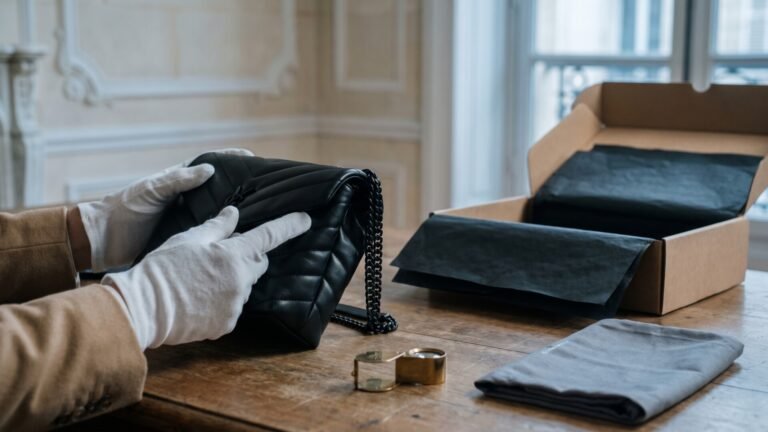
Store handbags in their dust bags when not in use. Avoid overfilling to maintain shape. Clean leather with a soft, dry cloth. For deeper cleaning, use products specifically designed for luxury leather goods. Avoid exposure to direct sunlight and extreme temperatures.
Who designs for Saint Laurent and Dior now?
Saint Laurent confirmed on October 9, 2026 that creative director Anthony Vaccarello is stepping down after about a decade; a successor had not been named at the time of writing. At Dior, Jonathan Anderson now leads design after Maria Grazia Chiuri left in 2025.
How much do the Lady Dior and Sac de Jour cost?
A third-party guide lists the Lady Dior Mini at roughly $5,200-$5,900 and the Medium at roughly $6,800-$7,600 in the US (approximate, November 2026). Sac de Jour prices vary by size and leather, so confirm with Saint Laurent.
Is Dior or Saint Laurent better for everyday use?
Saint Laurent is generally the easier fit for varied daily wear, while Dior bags like the Lady Dior suit occasions and polished outfits. The Dior Book Tote and Bobby are the more practical Dior options.