Best French Handbag Brands: The Ultimate Guide to Luxury, Heritage & Contemporary Icons
Why French Handbag Brands Continue to Define Luxury
Paris is not merely a city. It is the global epicenter of luxury fashion, a title it has held for centuries. From the ateliers of nineteenth-century saddlers to the contemporary design studios of the Marais, France has cultivated an uninterrupted tradition of leather craftsmanship that the rest of the world continues to admire and emulate.
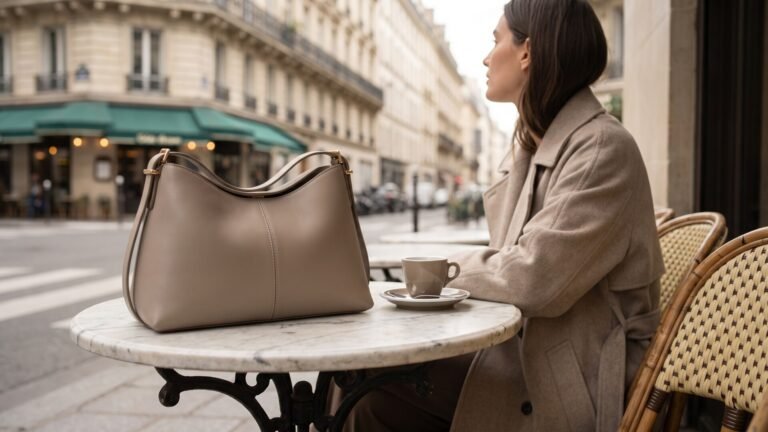
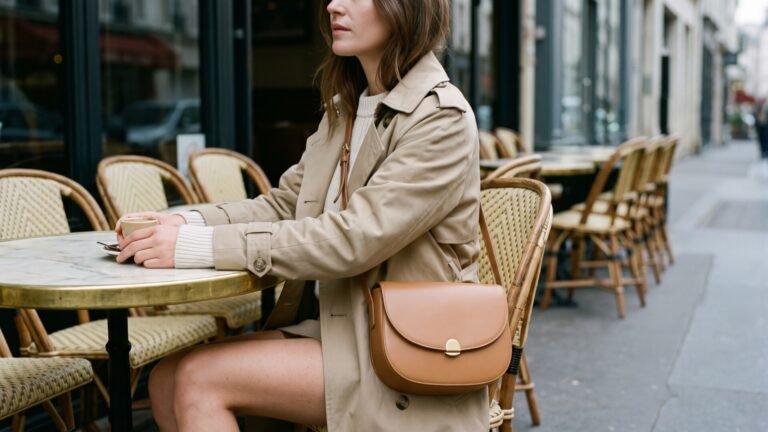
What distinguishes French handbag brands from their global counterparts is not simply prestige or price. It is a philosophy. An approach to design that prioritizes refinement, proportion, and enduring elegance over fleeting trends. French women, as any observer of Parisian street style will note, approach handbags as long-term wardrobe investments rather than seasonal accessories, favoring clean lines and full-grain leather over conspicuous logos.
This heritage is deeply rooted in France’s leatherworking traditions. The country’s luxury maisons emerged from generations of artisans who honed their skills in saddlery and luggage-making, creating objects designed to last decades rather than seasons. Today, that legacy continues through both the iconic heritage houses, Hermès, Chanel, Louis Vuitton, and a flourishing ecosystem of contemporary independent labels that are redefining what French luxury means for a new generation.
Yet here is what many buyers overlook: not every great French handbag comes from a five-figure luxury house. The French handbag landscape has diversified dramatically in recent years, with contemporary brands offering exceptional craftsmanship at accessible price points, and heritage maisons continuing to set the standard for the world’s most coveted accessories.
Whether you are searching for an investment bag, a timeless everyday companion, or an emerging quiet luxury label, French brands offer exceptional options across every price point.
Quick Brand Comparison
| Brand | Best For | Price | Style |
|---|---|---|---|
| Hermès | Ultimate craftsmanship | $$$$$ | Heritage luxury |
| Chanel | Iconic investment bags | $$$$$ | Classic elegance |
| Louis Vuitton | Everyday luxury | $$$$ | Heritage and travel |
| Dior | Feminine sophistication | $$$$ | Couture elegance |
| Saint Laurent | Modern minimalism | $$$$ | Parisian chic |
| Polène | Quiet luxury value | $$ | Sculptural minimalism |
| Longchamp | Everyday practicality | $$ | Casual elegance |
| APC | Minimalist essentials | $$ | Understated luxury |
| Lancel | Heritage craftsmanship | $$$ | Classic French |
| Jérôme Dreyfuss | Relaxed luxury | $$$ | Bohemian chic |
Different brands excel in different areas. There is no universally best French handbag brand. The right choice depends entirely on your budget, lifestyle, and personal aesthetic.
What Makes a French Handbag Brand Exceptional
To understand why French handbags remain the global benchmark, it helps to examine the defining characteristics that set them apart.
Heritage
The most revered French maisons trace their origins to multi-generational craftsmanship. Hermès began as a Parisian saddlery, Chanel revolutionized women’s accessories with the introduction of the shoulder strap, and Louis Vuitton built its reputation on innovative luggage that could be stacked and transported with ease. This heritage is not merely marketing. It represents centuries of accumulated knowledge about leather selection, construction techniques, and design principles that have been refined over generations.
Materials
French brands are renowned for their commitment to premium materials. From the buttery softness of lambskin to the durability of grained calfskin, the leathers used by French maisons undergo rigorous selection processes. Full-grain leather, which retains the natural surface of the hide, is the standard for many top-tier brands, prized for its durability and ability to develop a beautiful patina over time. Some houses also work with exotic leathers, while others, like Longchamp, have perfected canvas innovations that offer both style and practicality.
Design Philosophy
French handbag design can be broadly categorized into three approaches.
Timeless elegance prioritizes classic silhouettes that transcend trends. The Chanel 2.55, introduced in February 1955, remains as relevant today as it was seven decades ago, serving as the blueprint from which much of contemporary handbag design would evolve.
Quiet luxury eschews logos in favor of understated refinement. Brands like Polène and APC have built their reputations on this philosophy, creating bags that communicate quality through materials and construction rather than branding.
Fashion-forward innovation pushes boundaries while maintaining French sophistication. Contemporary labels like Jérôme Dreyfuss and Elleme exemplify this approach, offering directional designs that feel fresh without sacrificing wearability.
What Most Buyers Get Wrong About French Luxury Bags
Many assume that price directly reflects quality. While there is certainly a correlation, the relationship is more nuanced than most realize.
Contemporary brands like Polène offer exceptional craftsmanship at a fraction of the cost of heritage houses. The brand designs in Paris and produces in Ubrique, Spain, the historic leather-craft capital, using certified Italian or Spanish calfskin with solid construction techniques. The result is a bag that feels luxurious without the five-figure price tag.
Conversely, expensive heritage brands command premiums for history, exclusivity, and brand equity, not just materials. A Hermès Birkin may cost more than thirteen thousand dollars in its most basic configuration, but buyers are paying for decades of brand heritage, limited production runs, and the prestige that comes with owning one of fashion’s most coveted objects.
Heritage Luxury Houses: The Icons
The French luxury landscape is anchored by a handful of maisons that have defined global fashion for generations. These are the brands that established Paris as the world’s capital of luxury.
Hermès
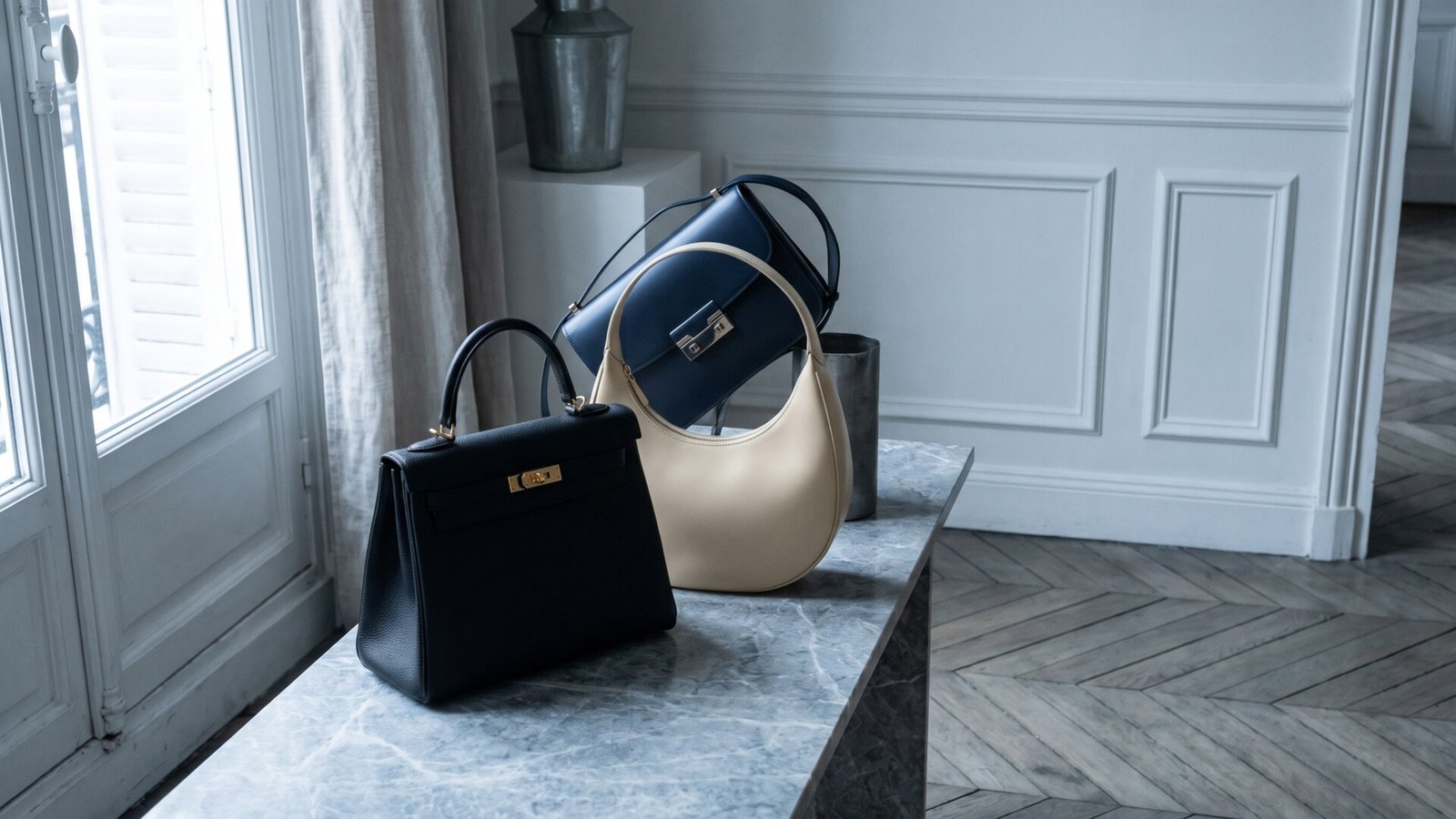
Best known for the Birkin, Kelly, and Constance, Hermès continues to set the ultimate standard in luxury through unparalleled craftsmanship, exceptional materials, and a design language that seamlessly bridges heritage and modernity. Founded as a Parisian saddlery, the maison has evolved into one of the most revered names in handbags, creating pieces that transcend fashion to become enduring symbols of refinement and rarity.
The Birkin and Kelly, often referred to alongside the Constance as the BKC, are the pillars of the brand’s legacy. A Birkin 25 in Togo leather starts at approximately thirteen thousand five hundred dollars, while the Kelly 25 sits slightly higher. Beyond the iconic BKC, Hermès offers a range of other desirable styles. The Evelyne, a casual crossbody with perforated leather, has become an entry point for collectors, with the TPM size retailing for approximately two thousand five hundred dollars.
Best for collectors, investment buyers, and those seeking the pinnacle of craftsmanship.
Internal link: Hermès Brand Hub
Chanel
Signature bags include the Classic Flap, the 2.55, and the Chanel 22. The Chanel 2.55 is one of the most iconic handbags ever created and remains a cornerstone of French fashion. Designed by Coco Chanel in 1955, the bag was revolutionary for introducing a shoulder strap, allowing women to move freely through the streets of Paris without carrying a handbag.
The quilted leather, metal chain strap, and discreet Mademoiselle lock embody the clean lines and understated elegance that define the house. Under continuing creative direction, Chanel continues to evolve while honoring its heritage. New collections introduce fresh interpretations of classic silhouettes, including a Maxi Flap Bag crafted from soft grained calfskin that reimagines the house’s DNA.
Parisians particularly love the classic styles from Chanel, with the brand consistently appearing on the streets and in the boutiques of the city.
Best for timeless elegance, investment purchases, and those seeking iconic status.
Internal link: Chanel Brand Hub
Louis Vuitton
Highlights include the Neverfull, Speedy, Capucines, and Alma. Louis Vuitton has celebrated its iconic Monogram canvas, placing five signature bags at the center of its campaigns. The Speedy, which arrived in the early 1930s under the name Express, was designed to fold flat inside a suitcase. The Neverfull, introduced in 2007, has become the essential modern companion, a spacious tote that epitomizes everyday luxury.
The brand’s collections feature staple silhouettes like the Neverfull MM, Keepall, and Nano Speedy in canvas with contrasting Monogram, finished with signature padlocks. Bold hues outfit bags like the Speedy Soft and Alma BB, demonstrating the house’s ability to balance heritage with contemporary relevance.
Best for everyday luxury, travel, and versatile style.
Internal link: Louis Vuitton Brand Hub
Dior
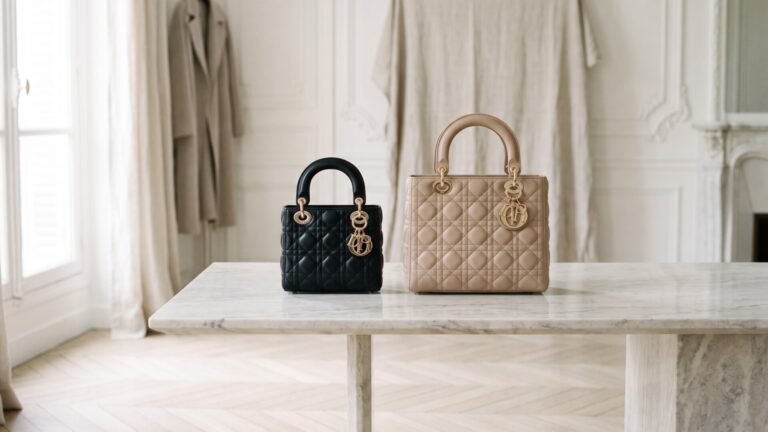
Highlights include the Lady Dior, Book Tote, and Saddle Bag. Dior represents the pinnacle of feminine sophistication in French handbag design. The Lady Dior, with its signature Cannage quilting and architectural silhouette, remains one of the most recognizable luxury bags in the world.
New collections have reimagined the Book Tote in vintage-style Dior Oblique printed canvas with delicate lace trim detailing. New iterations also feature white circular motifs against navy blue, paying homage to Dior’s classic oval-backed chairs, or poetic prints celebrating Monsieur Dior’s love of flowers and gardening.
The Book Tote is available in four sizes, with mini, small, and medium versions featuring a detachable shoulder strap signed with the Dior logo for ease of carrying.
Best for feminine luxury and those seeking couture elegance.
Internal link: Dior Brand Hub
Saint Laurent
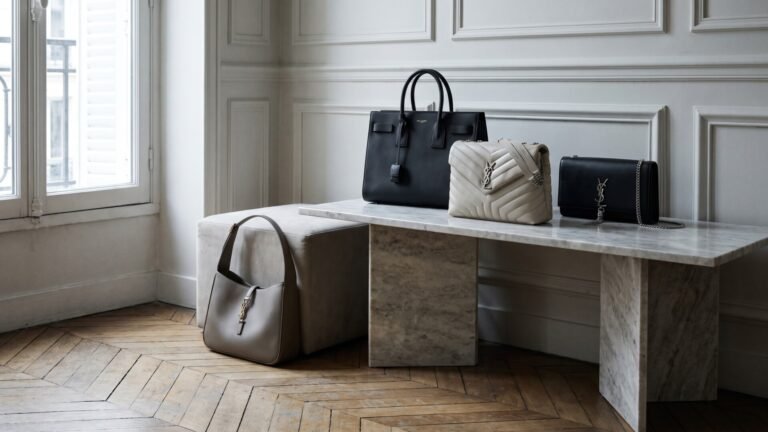
Highlights include the Sac de Jour, LouLou, Manhattan, and Niki. Saint Laurent embodies modern Parisian style, sleek, slightly undone, and undeniably cool. The Sac de Jour, with its architectural shape and minimal branding, has become a favorite among women who value structure, polish, and versatility. French women often choose the Sac de Jour as an everyday bag thanks to its sturdy construction, interior compartments, and ability to transition from day to evening.
The LouLou and Le 5 à 7 styles have also emerged as street-style favorites, offering the perfect finishing touch to any look. New collections have introduced mini LouLou silhouettes in fresh colors, offering refined, easy-to-carry options for day-to-night use.
Best for modern Parisian style and minimalist sophistication.
Internal link: Saint Laurent Brand Hub
Contemporary French Handbag Brands Worth Discovering
While the heritage maisons dominate the luxury headlines, a vibrant ecosystem of contemporary French brands offers outstanding craftsmanship without ultra-luxury pricing. These are the labels that savvy shoppers watch.
Polène
Polène has quickly become one of the most talked-about modern French handbag brands, especially among women who appreciate quiet luxury. Founded in 2016 by three siblings, the brand designs in Paris and produces in Ubrique, Spain’s historic leather-craft capital. LVMH acquired a minority stake in recent years, repositioning the brand upward, but the quality commitment has held firm.
Best bags include the Numéro Un, the brand’s signature style, known for its sculptural shape, soft curves, and full-grain leather construction. Available in four sizes, it is the most versatile silhouette in the collection.
The Numéro Dix is the bestseller, a crescent half-moon in full-grain Italian calfskin, structured around interior padding so the shape holds permanently. Quietly equestrian, it sits somewhere between a Hermès saddle bag and something far more accessible.
The Cyme is the editors’ favorite tote, a structured bag with a flower-like shape when open and a cleaner profile when the sides snap in. Available in two sizes, it is the most practical model in the collection.
The Tonca is a flap crossbody with gold hardware, described as the most-reached-for bag by those who own it.
Best for quiet luxury at accessible prices and sculptural design enthusiasts.
Internal link: Polène Brand Guide
Longchamp
Founded in Paris in 1948, Longchamp has built one of the most recognizable silhouettes in fashion history with the Le Pliage, a foldable nylon tote inspired by origami that has been a wardrobe staple since 1993.
The return of Longchamp is very real, and it never really left Paris. The Le Pliage tote has been passed down through generations in both French and American families. The brand’s bags are practical, unfussy, and somehow always chic.
New collections continue to reinterpret Le Pliage with creative and expressive twists, introducing seasonal colors, textures, and details. Meanwhile, the Le Roseau line offers a more structured alternative, featuring elegant bamboo-inspired hardware.
Best for travel, everyday use, and practical elegance.
Internal link: Longchamp Brand Guide
Lancel
Lancel represents traditional French leather craftsmanship with a heritage that spans over one hundred and fifty years. The maison celebrates its anniversary with a capsule collection centered on its iconic Premier Flirt bag.
Born in 2006, the Premier Flirt quickly established itself as a free-spirited, slightly impertinent, and unmistakably Parisian bag. For its twentieth anniversary, the Premier Flirt is now adorned in LANCEL Red and available in exclusive editions, each revealing one of the codes that make up the soul of the House.
The Premier Flirt line offers an elegant style for any situation, day or night, while remaining practical, a value dear to the Maison Lancel.
Best for heritage craftsmanship without the spotlight and classic French style.
Internal link: Lancel Brand Guide
Jérôme Dreyfuss
Jérôme Dreyfuss offers relaxed Parisian luxury with a bohemian spirit. The brand’s bags are designed for real life, practical, stylish, and irresistibly comfortable.
The Lulu bag, available in four sizes, seduces with its soft curves and comfort. The Bobi, crafted in goatskin leather, offers a more structured alternative. Both styles embody the brand’s philosophy of creating bags that adapt to everyday life while maintaining a distinctly Parisian aesthetic.
Best for relaxed Parisian style and bohemian chic.
Internal link: Jérôme Dreyfuss Brand Guide
APC
A.P.C. (Atelier de Production et de Création) has built its reputation on minimalist essentials. The Demi-Lune (half-moon) and Grace bags have become contemporary classics, prized for their clean lines and understated sophistication.
The Demi-Lune, available in smooth leather in various colors, offers a crescent silhouette that works equally well for day or evening. The Grace bag provides a more structured top-handle option. Both styles exemplify the brand’s commitment to timeless design and quality materials at accessible price points.
Best for minimalist wardrobes and everyday sophistication.
Internal link: APC Bags Guide
Which French Handbag Brand Is Right for You
| If You Want… | Choose… |
|---|---|
| Ultimate craftsmanship | Hermès |
| Iconic status | Chanel |
| Everyday luxury | Louis Vuitton |
| Quiet luxury | Polène |
| Affordable luxury | Longchamp |
| Minimalism | APC |
| Relaxed Parisian style | Jérôme Dreyfuss |
| Heritage craftsmanship | Lancel |
| Feminine sophistication | Dior |
| Modern minimalist edge | Saint Laurent |
Why the Best Brand Depends on Your Lifestyle, Not Your Budget
The most common mistake buyers make is assuming that the most expensive bag is automatically the best choice. In reality, the right French handbag depends on how you live.
Daily use versus occasion bags: If you need a bag for daily commuting, a durable, practical option like Longchamp’s Le Pliage or Polène’s Cyme will serve you better than a delicate lambskin Chanel that requires careful handling.
Fashion-forward versus timeless: If you enjoy staying current with trends, contemporary brands like Jérôme Dreyfuss or Elleme offer fresh designs that feel of the moment. If you prefer a bag that will remain relevant for decades, heritage styles from Hermès, Chanel, or Louis Vuitton are the safer bet.
Collecting versus practicality: Collectors and investors often gravitate toward Hermès and Chanel, whose bags appreciate in value over time. For those who simply want a beautiful, well-made bag to use daily, contemporary brands often provide better value.
French Handbags vs. Italian Handbags
The rivalry between French and Italian luxury is one of fashion’s most enduring debates. Both traditions produce exceptional handbags, but they approach design from different perspectives.
French Design
French handbag design is characterized by refinement, heritage, and structured elegance. The French approach prioritizes restraint, with minimal branding and clean silhouettes. Proportion is key, as French designers obsess over the relationship between shape, size, and function. Heritage also plays a major role, as many French houses draw on centuries of leatherworking tradition.
Italian Design
Italian handbags, by contrast, are known for rich leather, bold craftsmanship, and expressive style. Italian brands often celebrate leather, as Italian tannery traditions are legendary, producing some of the world’s finest leathers. They embrace boldness, featuring richer colors, more dramatic hardware, and bolder silhouettes. Italian craftsmanship emphasizes the beauty of the material itself.
Which Aesthetic Suits You
Choose French if you prefer understated elegance, timeless silhouettes, and bags that communicate quality through subtlety rather than spectacle.
Choose Italian if you love rich leathers, bold design, and bags that make a statement through their materials and craftsmanship.
Internal link: French vs Italian Handbags
Quiet Luxury vs Heritage Luxury
The French handbag landscape has evolved to accommodate two distinct approaches to luxury.
Heritage Icons
Brands like Hermès, Chanel, and Louis Vuitton represent the traditional face of French luxury. These houses are built on centuries of heritage, their products instantly recognizable by even the most casual observer. They communicate status through brand recognition and iconic silhouettes.
Quiet Luxury Leaders
Brands like Polène, APC, and Jérôme Dreyfuss represent a newer approach, one that prioritizes craftsmanship over logos and quality over branding. These bags appeal to buyers who want the experience of luxury without the conspicuousness of traditional status symbols.
The Biggest Shift in French Handbags
Consumer preferences have undergone a significant transformation in recent years.
The rise of quiet luxury has been notable, with a shift away from logo-heavy designs toward understated elegance. Buyers are increasingly seeking bags that communicate quality through materials and construction rather than visible branding.
Logo fatigue has also played a role. After decades of logo-mania, many consumers have grown tired of being walking billboards for luxury brands. This has created space for brands that offer exceptional quality without overt branding.
Increased demand for independent French brands has flourished as buyers seek alternatives to the heritage maisons. Contemporary labels offer the French design aesthetic at more accessible price points.
Craftsmanship over status signaling is now a priority. Today’s discerning buyers are more knowledgeable about materials and construction than ever before. They are willing to pay for quality, but they want to know exactly what they are paying for.
How to Choose Your First French Handbag
Selecting your first French handbag is an exciting milestone. Here is a decision framework to guide you.
Consider These Factors
Budget: Be realistic about what you can afford. French handbags range from under two hundred dollars for entry-level contemporary styles to over fifty thousand dollars for exotic Hermès creations. There is a quality French bag at nearly every price point.
Intended use: Will this be an everyday bag, a work bag, a travel companion, or an evening accessory? Your intended use should drive your choice of size, material, and durability.
Personal style: Choose a bag that reflects your aesthetic. If you prefer minimalist looks, APC or Polène may suit you. If you love classic elegance, Chanel or Dior are natural choices.
Maintenance: Consider how much care you are willing to invest. Delicate leathers like lambskin require more attention than durable options like grained calfskin or canvas.
Long-term value: If you are buying as an investment, research which brands and styles hold their value best. Hermès and Chanel typically perform strongest on the secondary market.
Recommendations by Category
First luxury purchase: Polène Numéro Un or APC Demi-Lune. Both offer exceptional quality at accessible prices.
Work bag: Longchamp Le Pliage or Polène Cyme. These are practical, professional, and polished.
Travel bag: Louis Vuitton Neverfull or Longchamp Le Pliage. They are spacious, durable, and versatile.
Investment piece: Hermès Birkin or Kelly, or Chanel Classic Flap. These bags appreciate over time.
Everyday bag: Polène Numéro Dix or Saint Laurent Sac de Jour. These versatile styles work for any occasion.
The Future of French Handbag Brands
The French handbag industry is evolving rapidly, shaped by changing consumer preferences and broader cultural shifts.
Key Trends
Contemporary independent brands like Polène, APC, and Elleme are capturing market share from heritage houses by offering exceptional quality at more accessible prices. Their success reflects a broader desire for authenticity and value.
Sustainability is increasingly important, with French brands prioritizing responsible sourcing and reduced waste in production.
Smaller production runs are becoming common. Rather than mass-producing, many contemporary brands embrace limited production runs that preserve exclusivity and quality.
Quiet luxury continues to gain ground. The trend toward understated elegance shows no signs of abating, with buyers prioritizing craftsmanship over logos.
Growing appreciation for craftsmanship is evident. Today’s consumers are more educated about what goes into a quality handbag. This knowledge drives demand for brands that prioritize materials and construction.
The French Brands Most Likely to Grow
Polène has the strongest momentum among contemporary French brands. With LVMH’s minority stake and a proven commitment to quality, the brand is well-positioned for continued growth.
APC continues to expand its minimalist aesthetic to a growing audience of consumers who value timeless design.
Jérôme Dreyfuss appeals to buyers seeking relaxed Parisian luxury with character.
Lancel, with its rich heritage and anniversary celebrations, is experiencing renewed attention from consumers discovering the brand’s history.
These brands are growing not because they are trendy, but because they offer genuine value: exceptional craftsmanship, thoughtful design, and a clear point of view that resonates with today’s discerning buyers.
Final Verdict: Which French Handbag Brand Should You Choose
Choose Hermès if you want the pinnacle of craftsmanship and collectability. Hermès bags are not merely accessories. They are heirlooms that appreciate in value and transcend fashion.
Choose Chanel if you want timeless icons with enduring desirability. The 2.55 and Classic Flap are among the most recognizable and coveted bags in the world.
Choose Louis Vuitton if you want versatile luxury for everyday life. The brand’s canvas bags are durable, practical, and instantly recognizable.
Choose Polène if you want exceptional craftsmanship at a more accessible price. The brand offers sculptural, quiet luxury that rivals far more expensive competitors.
Choose Longchamp if you need practical elegance for daily use. The Le Pliage is the ultimate everyday bag, lightweight, durable, and effortlessly chic.
Choose APC if you prefer minimalist French design. The brand’s clean lines and understated elegance appeal to those who value simplicity.
Choose Lancel if you appreciate heritage without the spotlight. With over one hundred and fifty years of craftsmanship, Lancel offers classic French style at approachable prices.
Choose Jérôme Dreyfuss if you love relaxed Parisian style with character. The brand’s bags feel personal, lived-in, and distinctly French.
Final Conclusion
French handbag brands remain the global benchmark for luxury because they offer something for every kind of buyer, from legendary investment pieces to understated contemporary designs. The best choice is not the most expensive bag. It is the one whose craftsmanship, style, and purpose align with your lifestyle.
Whether you are investing in a heritage icon from Hermès or discovering the sculptural elegance of Polène, you are participating in a tradition that spans centuries, a tradition of excellence, refinement, and enduring beauty that only France can claim.
Frequently Asked Questions About Best French Handbag Brands
What are the best French handbag brands?
The best French handbag brands include Hermès, Chanel, Louis Vuitton, Dior, and Saint Laurent for heritage luxury, and Polène, Longchamp, APC, Lancel, and Jérôme Dreyfuss for contemporary and accessible options.
Which French handbag brand is the most luxurious?
Which French handbag brand is the most luxurious?
Hermès is widely considered the most luxurious French handbag brand, known for unparalleled craftsmanship, exceptional materials, and limited production runs.
Is Polène considered a luxury brand?
Polène is considered a contemporary luxury brand. It offers exceptional craftsmanship and premium materials at more accessible prices than heritage houses.
Are Longchamp bags made in France?
Longchamp bags are designed in France and manufactured in the brand’s own workshops, with production facilities in France and other locations.
Which French handbags hold their value best?
Hermès and Chanel bags typically hold their value best, with certain styles appreciating over time. Birkin and Kelly bags from Hermès and Classic Flap bags from Chanel are particularly strong performers on the secondary market.
What is the best affordable French handbag brand?
Polène and Longchamp offer the best value among French handbag brands, combining quality craftsmanship with accessible pricing.
Are French handbags better than Italian handbags?
Neither is inherently better. They represent different traditions. French handbags are known for refinement and understated elegance, while Italian handbags are celebrated for rich leathers and bold craftsmanship.
Which French handbag should I buy first?
For a first French handbag, consider Polène’s Numéro Un or APC’s Demi-Lune for quality at accessible prices, or Longchamp’s Le Pliage for practical everyday elegance.