Top 5 French Brands for Sustainably Sourced Leather Goods in 2026
Transparency is no longer a fringe concern in luxury; for many buyers it is a purchase criterion. The French maisons that built their names on heritage and craftsmanship now have to show that their leather is responsibly sourced as well as beautiful. This guide looks at five French names that buyers most often ask about: Hermès, Chanel, Louis Vuitton, Longchamp, and Celine. For each one we separate what the company has publicly stated and what independent sources support from what is marketing, and we explain which claims you can check yourself.
One note on method: sustainability disclosures change from year to year, and many are reported at group level (LVMH, for example, reports for Louis Vuitton, Celine, and its other houses together). Where we could not confirm a claim from a primary or reputable source, we have left it out rather than repeat it. If you are seeking a piece that pairs French design with a clearer conscience, this is a starting point, not a certificate. [Explore our curated selections of these brands]
Quick Verdict Summary
Choosing a brand for responsibly sourced leather usually comes down to a trade-off between heritage, scale, and disclosure. Here is how the five compare, based on information we could verify.
| Brand | Key Strength | What we could verify | Best For |
|---|---|---|---|
| Hermès | Craftsmanship and control of its own leather supply | Owns tannery partners such as Tanneries du Puy (acquired 2015); limited public breakdown of materials and suppliers | Long-term ownership and repairability |
| Chanel | Clear policy on exotic skins | Announced in December 2018 that it would stop using exotic skins; under creative director Matthieu Blazy since 2025 | Buyers who care about a clear animal-material policy |
| Louis Vuitton | Scale and group reporting | LVMH reports that 98.7% of strategic leather supply is certified (2025 report) and sets 2026 and 2030 targets | Buyers who want documented group-level targets |
| Longchamp | Third-party credentials and repair | B Corp certified (announced February 2026); all leather certified by the Leather Working Group, 88% of it Gold; 80,000 products repaired in 2025 | Everyday luxury with the strongest verifiable credentials |
| Celine | Minimalist design and LVMH backing | Reported within LVMH group figures; no brand-specific leather disclosure confirmed here | Minimalists who will research the details |
Key Takeaway: Of the five, Longchamp is the only one for which we found brand-level, third-party credentials (B Corp and Leather Working Group data) in the sources we reviewed. The others rely more on group reporting or on longevity as the main argument. Buying one good piece and keeping it for decades is itself one of the most effective sustainable choices you can make, which is why durability and repairability matter as much as certificates.
The Rise of Sustainable Leather in Luxury Fashion
“Sustainable leather” is not a single material. It describes a set of practices: sourcing hides as a by-product of the food industry, tanning in facilities that limit water, energy, and chemical use, and respecting labour standards along the chain. The most widely used industry benchmark is the Leather Working Group (LWG), which audits tanneries and rates them, typically Gold, Silver, or Bronze, on environmental performance such as energy, water, and waste management.
The environmental impact of leather is real. Cattle farming is a major driver of deforestation, and conventional chrome tanning can pollute waterways if it is badly managed. That is why third-party audits matter and why vague words like “eco-friendly” should not count as evidence.
The French luxury tradition of savoir-faire fits naturally with slow fashion. A handbag that is built to be repaired and kept for decades is inherently less wasteful than many cheaper replacements. The houses below approach the topic differently, and we explain how.
What the Main Credentials Mean
| Credential | What it covers | What it does not cover |
|---|---|---|
| Leather Working Group (LWG) | Environmental audit of a tannery; rated Gold, Silver, or Bronze | Farm practices, deforestation, or the finished bag |
| B Corp | A company-wide assessment of social and environmental performance | A guarantee about any single product |
| Brand or group targets | Commitments and progress reported by the company itself | Independent verification, unless audited |
Hermès
History
Founded in 1837 as a harness workshop, Hermès is the archetype of French luxury. Its reputation rests on fine materials and meticulous finishing, and its saddle-making roots shape its approach to repair and longevity. For more on the house, see our Hermès guide.
Sustainable Practices
Hermès has taken a hands-on approach to its leather supply. Through its leather division it has acquired tannery partners; in 2015, for example, it bought Tanneries du Puy, known for calf and box leather. Owning part of the chain gives the house control over quality. What Hermès does not do is publish a full breakdown of its materials and suppliers, and an independent rating service (Good On You) rated its animal-welfare policy as not good enough at the time we checked. Hermès also uses exotic skins in some products, which is a key difference from Chanel. If you want a house with an animal-material policy that excludes exotics, Hermès is not that house.
Signature Products
The Birkin and Kelly are the icons, but the house offers more accessible leather pieces too. Leathers such as Barenia are prized for developing a rich patina over time, which suits buyers who want a bag that improves with age. Because the same bag can be restored by the house, longevity is the strongest sustainability argument for Hermès.
Investment Value
Hermès products are the benchmark for resale. Scarce models such as the Birkin and Kelly have often sold at or above retail on the secondary market, although prices can move and nothing is guaranteed. Provenance and condition drive value, and a well-kept bag will always be easier to resell. Explore the Hermès hub.
Chanel
History
Gabrielle Chanel’s legacy is one of modernity and freedom: she brought jersey into fashion and introduced the quilted shoulder bag in February 1955, which gave the 2.55 its name. Since the departure of Virginie Viard in 2024, the house has been led by creative director Matthieu Blazy, who showed his first couture collection in January 2026.
Sustainable Practices
Chanel has been clearer than most houses about animal materials. In December 2018 it announced it would stop using exotic skins, citing the difficulty of sourcing them to its ethical standards, and press reports at the time said the policy also covered fur. The house has also publicised work on new materials and textiles. Detailed, brand-level leather certification data is harder to find in public, so ask in the boutique for any information on tanneries and certifications for the specific bag you are considering.
Signature Products
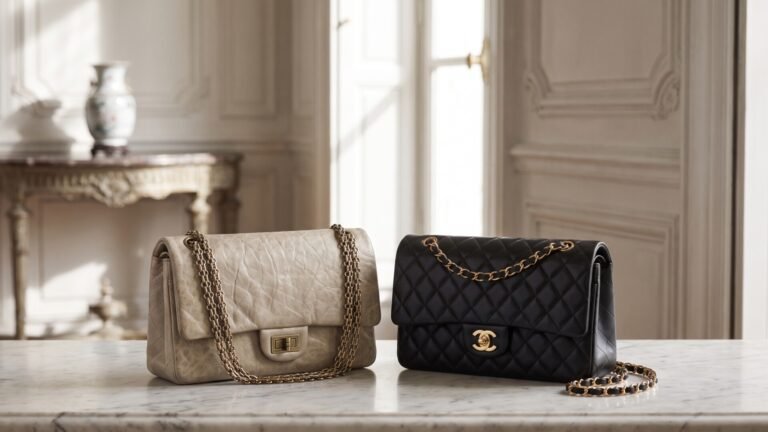
The Classic Flap in lambskin or caviar leather remains the most sought-after piece. The 2.55 Reissue is made in aged calfskin, a sturdier leather with a deliberately worn look, and the Chanel 19 is a softer, more relaxed silhouette in lambskin. Our Louis Vuitton vs Chanel comparison sets the two giants side by side.
Investment Value
Chanel’s regular price increases and strong brand demand have supported a robust resale market for classic flaps, though what a bag fetches depends on model, size, colour, and condition. The brand’s animal-materials policy adds to its appeal for some collectors. Browse Chanel’s range in our Chanel guide.
Louis Vuitton
History
Louis Vuitton began as a trunk-maker in 1854 and is now one of the largest luxury brands in the world. Its monogram canvas and LV initials are symbols of status and travel.
Sustainable Practices
Louis Vuitton operates within the LVMH group’s sustainability programme, LIFE 360. In its 2025 annual report, LVMH states that 98.7% of leather in its strategic supply chains is certified (up 0.7 points on 2024) and that the country of origin is known for 98% of leather purchases. The group’s published targets include 100% of strategic raw materials certified to standards that protect ecosystems and water by 2026, and 100% of strategic supply chains covered by a traceability system by 2030. These are group figures, so they describe LVMH overall, not Louis Vuitton alone, and the report does not break the certified share out by named standard.
Signature Products
The classic monogram canvas is coated canvas, not leather, so the leather question applies to LV’s leather lines. The Capucines, named after the Rue Neuve-des-Capucines where the first store opened, is the house’s showcase for leather craftsmanship. The Twist bag, with its LV-turn lock, is a modern classic in leather, and the Petite Malle is a structured box bag. Read our Louis Vuitton materials guide to understand the difference between canvas and leather lines.
Investment Value
Louis Vuitton has an active resale market, though not as strong as Hermès or Chanel. Classic models tend to hold their value better than trend-led pieces. For context on pricing and value, see why Louis Vuitton is so expensive. Explore the Louis Vuitton collection.
Longchamp
Brand History
Longchamp is an independent, family-owned French house known for accessible luxury and practical designs. The Le Pliage nylon tote is its most famous product, and leather goods are a significant part of the range. Read our full Longchamp guide for the brand’s story.
Sustainable Practices
Longchamp has the strongest verifiable credentials of the five. In February 2026 it was announced as a B Corp, following an assessment of more than 300 criteria across design, production, sourcing, HR, and governance. The company says all the leather it uses is certified by the Leather Working Group, with 88% holding Gold certification, and that each product goes through a preparatory lifecycle analysis. It also reports repairing 80,000 products through 33 repair centres worldwide in 2025, with centres spread across Europe, the US, and Asia to reduce transport. Some of these figures are company-reported, so treat them as claims supported by the B Corp process rather than independent audits of every item.
Signature Products
The Le Pliage Cuir is the leather version of the classic tote, lightweight and available in many colours. The Roseau line, with its bamboo-inspired clasp, offers a more structured silhouette. Longchamp also sells recycled-nylon versions of Le Pliage for buyers who prefer a non-leather option.
Investment Value
Longchamp is entry-level luxury. Its products do not appreciate like Hermès or Chanel, but they offer strong value for money, and repair services extend their working life. The Le Pliage Cuir is a workhorse bag that will last for years with proper care, which makes it a sensible, low-risk choice for daily use. [Check out Longchamp’s sustainable options].
Celine
History
Celine was founded in 1945 by Céline Vipiana and her husband Richard as a made-to-measure children’s shoe business, with a first boutique at 52 rue Malte in Paris. Hedi Slimane led the house from 2018 until October 2024, and Michael Rider, previously at Ralph Lauren, has been creative director since 2025.
Sustainable Practices
Celine is part of LVMH, so group-level reporting such as the figures described under Louis Vuitton applies to it in part. We could not confirm brand-specific leather certification data for Celine, and the house markets sustainability less overtly than others. Its design approach, with focused collections of pieces that are meant to stay in a wardrobe for years, supports durability, but that is a design argument and not a certification. If sourcing matters to you, ask the boutique about the tannery and certification for the exact bag you are buying.
Signature Products
The Triomphe bag, with its metal clasp, is a modern classic in smooth calfskin. The 16 bag takes its name from the Celine address on Rue de la Paix, and is a structured, elegant silhouette. The Belt Bag is a minimalist, unlined style popular with quiet-luxury shoppers. Compare it directly in Celine Triomphe vs. Saint Laurent Manhattan.
Investment Value
Celine has an active resale market for its classic leather bags, although it does not have the investment profile of the top two houses. It suits buyers who want a sleek, understated, well-made piece. Explore the Celine collection.
Comparative Analysis of the Top 5 Brands
The table below compares the five across sustainability evidence, design philosophy, investment perspective, and who each suits.
| Brand | Sustainability Evidence | Design Philosophy | Investment Perspective | Consumer Appeal |
|---|---|---|---|---|
| Hermès | Owns tannery partners; limited public disclosure | Classic, equestrian, and timeless. | Strongest resale in luxury. | The collector. |
| Chanel | Exotic-skins ban since 2018 | Iconic, feminine, structured. | Strong resale, regular price increases. | The classic, brand-conscious buyer. |
| Louis Vuitton | LVMH group certification figures and targets | Modern, logo-driven, travel-oriented. | Good resale for classics. | The aspirational, status-driven buyer. |
| Longchamp | B Corp; LWG-certified leather; repair network | Practical, lightweight, functional. | Low resale, high utility value. | The practical everyday-luxury buyer. |
| Celine | Group-level reporting only; no brand-specific data confirmed | Minimalist and understated. | Active resale for classics. | The minimalist. |
Other French Names Worth Considering
Five brands cannot cover the whole field. If you want a more contemporary or more affordable French option, Polène offers minimalist leather bags at a lower price point than the heritage houses, Lancel is a long-established French leather house, and Veja is the best-known French name in sustainability-led footwear. Each publishes its own sourcing information, so check the brand’s website for current detail. For a footwear comparison, see our guide to the best French designer sneakers.
A Five-Question Checklist for Any Brand
Sustainability disclosures change quickly, so the most useful skill is knowing how to check a claim yourself. Before buying, ask five questions:
- Who verified it? A third-party certification such as the Leather Working Group or B Corp is stronger than a claim the brand makes about itself.
- What does it cover? A tannery audit does not describe the farm, and a company-wide certification does not describe one bag.
- What are the numbers? Look for percentages, dates, and named standards rather than adjectives.
- Can it be repaired? A published repair service and spare parts extend the life of a bag more than almost any certification.
- Is the information current? Check the date of the report or announcement, because creative directors, targets, and certifications change.
Treat this guide the same way: it reflects the sources available in October 2026, and some brand details may have changed since then. Where a house does not publish brand-level leather data, we say so rather than fill the gap with assumptions.
Which Brand Suits Which Buyer
The right choice depends on what you are trying to optimise. If you want the most documented, brand-level credentials, Longchamp is the clearest of the five today. If your priority is an explicit animal-material policy, Chanel’s 2018 exotic-skins decision is the most concrete. If you want to keep one bag for decades and have it restored, Hermès’s saddlery roots and in-house repair culture make it the natural benchmark, with the caveat that it still uses exotic skins in some lines. If you want group-level, published targets, the LVMH figures that cover Louis Vuitton and Celine are the most detailed numbers available, but they describe the group and not a single bag.
If you are still choosing between houses on other criteria, our comparisons cover the wider picture: Louis Vuitton vs Chanel, Louis Vuitton vs Saint Laurent, Louis Vuitton vs Dior, and Louis Vuitton vs Gucci for a French-versus-Italian view. For a look at a current Louis Vuitton leather release, see our take on the Louis Vuitton Tilted bag.
A Short Glossary of Leather Terms
Sustainability pages lean on technical vocabulary, so it helps to know what the words mean before you compare claims.
| Term | Plain-language meaning |
|---|---|
| Chrome tanning | The most common industrial method, using chromium salts. It is fast and produces soft, durable leather, and it needs careful effluent management, which is what tannery audits look at. |
| Vegetable tanning | A slower method using plant tannins. It tends to give firmer leather that darkens with use. Brands should say which of their leathers are tanned this way, not apply the label to a whole range. |
| Full-grain | Leather that keeps the natural top surface of the hide, with minimal sanding or correction. |
| Traceability | The ability to follow a hide back through the tannery to the slaughterhouse and, ideally, the farm. LVMH lists traceability coverage as a 2030 target. |
| By-product hides | Hides that come from the meat industry. Using them avoids raising animals for leather alone, but does not address the impact of cattle farming itself. |
Repair, Resale, and Cost Per Wear
A bag’s footprint is spread over the number of years you use it. A bag carried for ten or fifteen years has a lower impact per wear than several bags replaced every two seasons, even if the single bag has no certificate at all. That is why a published repair service, spare hardware, and re-edging or restoration options deserve as much weight in your decision as sourcing statements. Before you buy, ask the boutique what repairs are offered, what they typically cost, and whether the service is available in your country.
Pre-owned buying follows the same logic. A second-hand bag from a platform that authenticates its stock avoids new production altogether, and it can be the most sustainable route into any of these brands. Authentication services reduce risk but cannot eliminate it, so keep receipts and ask for the platform’s return terms. For the wider range of houses covered on this site, start from our guide to French luxury fashion houses, or go deeper on Louis Vuitton.
Practical Guide for Buyers
Where to Buy
- Official Brand Websites: The most reliable source for new, authentic products.
- Department Stores: Neiman Marcus, Saks Fifth Avenue, and Nordstrom carry several of these brands.
- Pre-owned Marketplaces: The RealReal, Vestiaire Collective, and Fashionphile for investment pieces. Buying pre-owned is itself a sustainable choice, as long as the platform authenticates items.
- Boutiques: Visit flagship stores for the full experience, and ask about repair services.
Tips for Identifying Responsibly Sourced Leather
- Look for certifications: LWG, B Corp, or other third-party credentials, and check whether they apply to the brand, the tannery, or the exact product.
- Ask questions: Ask which tannery made the leather and what certification it holds.
- Check the repair policy: A brand that repairs its products keeps them out of landfill for longer.
- Be wary of vague claims: Words like “green” or “conscious” without figures or a named standard are marketing.
Care and Maintenance
- Store properly: Use a dust bag and stuff the bag with tissue paper to maintain its shape.
- Clean gently: Wipe with a dry, soft cloth, and condition leather only with products suited to that leather type, following the brand’s care guidance.
- Avoid water and direct sunlight: Both can stain or fade leather.
- Repair, do not replace: Use the brand’s repair service for zippers, stitching, or hardware issues.
Continue exploring in the French luxury fashion houses guide, or see our deep dive on Louis Vuitton materials to understand the leather used across a big-name house.
Frequently Asked Questions About French Sustainably Sourced Leather Goods
What is sustainably sourced leather?
It is leather produced with reduced environmental impact: hides from the food industry, tanned in facilities audited for water, energy, and chemical management, and made under fair labour conditions. No single label guarantees all of this, so look for named standards such as the Leather Working Group.
Why should I choose sustainably sourced leather goods?
Responsible sourcing supports better environmental and labour practices, and well-made leather lasts longer, so you buy less often. Durability and repairability matter as much as certifications.
How can I tell if a brand is truly sustainable?
Look for third-party credentials such as the Leather Working Group or B Corp, and read the brand’s sustainability report for figures and named standards. Be cautious about vague claims such as eco-friendly without supporting evidence.
Which of these brands has the strongest verifiable credentials?
Of the five, Longchamp has the clearest brand-level credentials in the sources we reviewed: B Corp certification announced in February 2026 and LWG-certified leather, with 88 percent Gold. Louis Vuitton and Celine are covered by LVMH group reporting. Hermes and Chanel publish less brand-level leather data.
Does Chanel use exotic skins?
Chanel announced in December 2018 that it would stop using exotic skins. Hermes, by contrast, continues to use exotic skins in some products.
Are there downsides to sustainably sourced leather?
Cost can be higher, and some naturally tanned leathers are less water resistant than conventionally tanned ones. Certifications also cover only part of the chain, so they do not remove every environmental impact of leather.
Can sustainable leather be as durable as conventional leather?
Yes. Quality full-grain or well-finished leather is durable regardless of the certification, and good care and repair can extend a bag’s life by decades.
Is buying pre-owned more sustainable?
Usually, yes. Extending the life of an existing bag avoids new production, provided you buy from a platform that authenticates items and offers returns.