Jacquemus Le Bisou vs. Le Bambino: Which Viral Shape is Trend-Proof?
Jacquemus has become a defining name in contemporary luxury, known for its sun-drenched Provencal aesthetic and sculptural handbags that dominate social feeds. Two of its most recognizable silhouettes, the Le Bisou and the Le Bambino, have sparked a significant debate among fashion enthusiasts. Both are compact, both are instantly recognizable, but they serve very different style philosophies.
The Le Bisou, with its dramatic, folded shape, is a conversation starter. The Le Bambino, a structured, rectangular box bag, offers a more classic, understated approach. Choosing between them is not just about picking a bag; it is about deciding which design principle aligns with your long-term wardrobe strategy. This article provides a detailed, unbiased comparison of the Jacquemus Le Bisou and the Le Bambino, analyzing their design, practicality, durability, and investment potential to determine which shape offers true trend-proof longevity.
We will examine the craftsmanship, the real-world usability, and the resale market to help you make an informed decision. Whether you are a collector seeking a statement piece or a minimalist looking for a daily companion, this guide will clarify which of these viral shapes deserves a permanent place in your rotation. Explore our [Internal: Jacquemus Brand Hub] for a deeper look at the house’s evolution.
Quick Verdict Summary
If you need a decisive answer now, here is the breakdown.
Option A Strengths: Le Bisou
- Unique Design: The asymmetrical, folded silhouette is unlike any other bag on the market, offering instant visual interest.
- Versatile Styling: Despite its bold shape, it can be dressed down with jeans or used to elevate a simple dress.
- Conversation Starter: Its sculptural quality makes it a piece of wearable art.
Option B Strengths: Le Bambino
- Classic Shape: The clean, rectangular lines are inherently timeless and easy to integrate into any wardrobe.
- Celebrity Appeal: Frequently seen on influencers and celebrities, it has a proven track record of popularity.
- Effortless Chic: It embodies the quiet luxury aesthetic, offering elegance without overt branding.
Key Takeaway: The Le Bisou is for the buyer who prioritizes artistic expression and wants a bag that stands out. The Le Bambino is for the buyer who values classic proportions and long-term wearability. If your goal is a bag that will look relevant in a decade, the Le Bambino has a stronger edge. If you want a piece that defines a specific moment in fashion history, the Le Bisou is the more exciting choice.
Brand Overview of Jacquemus
Founded in 2009 by Simon Porte Jacquemus, the brand has become a phenomenon in the luxury market. Unlike the heritage houses of Paris, Jacquemus built its identity on a distinctly modern, personal narrative. The brand’s aesthetic is deeply rooted in the designer’s childhood in the South of France, evoking images of sun, lavender fields, and effortless, rustic elegance.
Simon Porte Jacquemus’s design philosophy is one of deconstruction and proportion. He plays with scale, creating oversized hats and miniature bags that challenge conventional ideas of luxury. This approach has made the brand a favorite among a younger, digitally-native audience that values Instagrammable moments as much as the product itself. The brand’s success is a masterclass in modern marketing, but the core product—the handbags—must stand on their own merit.
The Le Bambino and Le Bisou are perfect examples of this philosophy in action. The Bambino represents a more traditional, refined silhouette, while the Bisou is a direct expression of Jacquemus’s more avant-garde tendencies. Understanding this brand context is crucial. You are not just buying a bag; you are buying into a specific creative vision that balances commercial appeal with artistic risk.
Design Features of Le Bisou
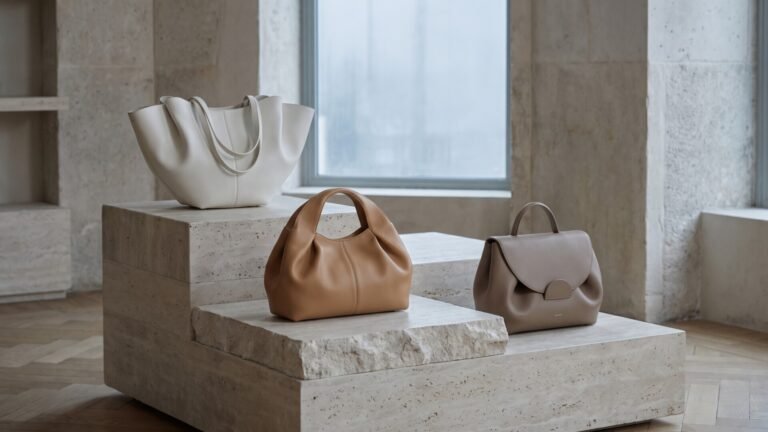
The Le Bisou is a study in architectural form. Its defining feature is the folded, “kissed” closure that gives the bag its name. The flap wraps over the front of the bag and is secured with a magnetic clasp, creating an asymmetrical, almost organic shape. This is not a bag that fades into the background.
- Shape: Soft, sculptural, and asymmetrical. It mimics the look of a folded piece of fabric.
- Closure: A magnetic clasp under the folded flap. It is secure but not as rigid as a zipper.
- Hardware: Minimal. The focus is on the leather structure itself. Some versions feature a small logo plaque.
- Color Options: Available in a wide range of seasonal colors, from classic black and white to vibrant yellows and pinks.
- Size: Generally offered in a small and medium size. The small is purely a micro bag.
- Strap: A thin, adjustable leather strap, often with a chain detail for added texture.
The Le Bisou’s design is a risk. It is a trend-driven shape that relies on its novelty. The lack of a structured base means it can slump when empty, which some find charming and others find frustrating. Its appeal is immediate and visual, but its long-term relevance is less certain.
Design Features of Le Bambino
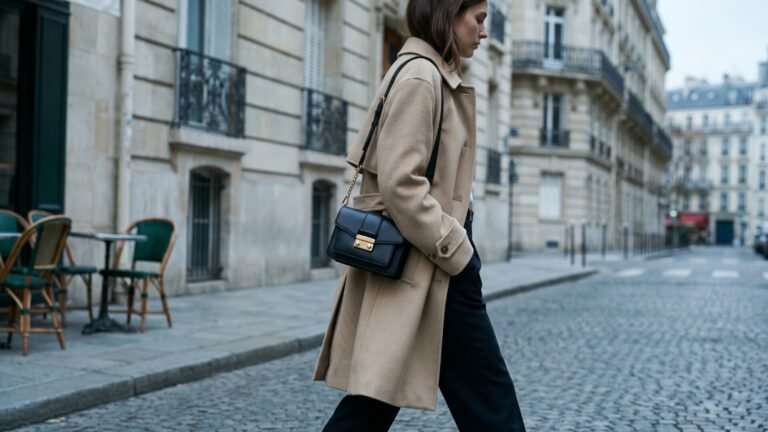
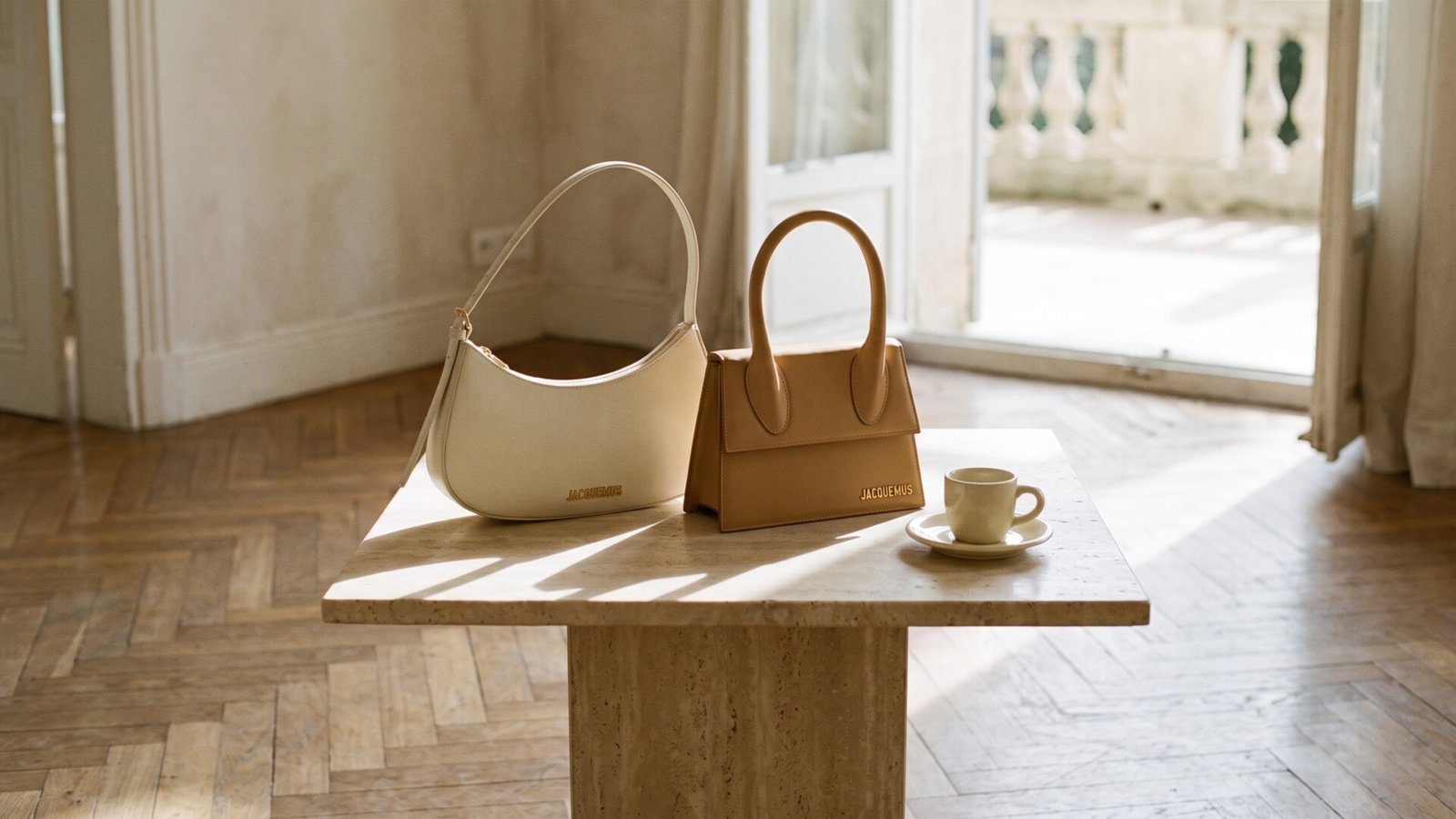
The Le Bambino is the antithesis of the Bisou’s drama. It is a structured, rectangular box bag with clean, sharp lines. Its design is rooted in the classic 1950s handbag silhouette, making it an inherently more conservative and timeless choice.
- Shape: Rigid, rectangular, and boxy. It retains its shape even when empty.
- Closure: A top flap with a turn-lock or magnetic closure. The hardware is a key design element.
- Hardware: A prominent, often gold-toned, turn-lock clasp is the focal point of the bag. It is functional and decorative.
- Color Options: Typically offered in neutral, versatile colors like black, beige, and brown, alongside seasonal pops of color.
- Size: Primarily a single size that is considered a small to medium bag. It is compact but not a micro bag.
- Strap: A shorter top handle and a detachable, longer shoulder strap. This dual-carry option adds to its versatility.
The Bambino’s strength is its restraint. It does not try to be anything other than a well-proportioned, elegant bag. Its design is derived from the same architectural principles as a Celine box bag or a classic Hermes Kelly, but at a more accessible price point. This makes it a safer bet for long-term wear.
Quality and Craftsmanship
Both bags are made in Italy and share a similar level of construction quality, but the materials and finishing differ.
Le Bisou:
- Leather: Primarily made from smooth calfskin or grained leather. The soft, pliable leather is necessary to achieve the folded shape.
- Construction: The focus is on the seamless folding technique. The interior is often unlined or lined with a simple fabric.
- Edge Finishing: Because of the folded design, edges are visible and must be perfectly painted or finished. This is a point where quality can vary.
- Durability: The soft leather is prone to scratching and scuffing. The lack of a rigid structure means the bag can lose its shape over time if not stored properly.
Le Bambino:
- Leather: Uses a stiffer, more structured calfskin. The leather is often coated to maintain its shape and resist minor scratches.
- Construction: Traditional construction with reinforced seams and a structured interior. The bag is built to hold its form.
- Hardware: The turn-lock is a solid piece of metal that feels substantial. It is a key area where the bag feels more durable.
- Durability: The structured nature of the Bambino makes it more resistant to daily wear. The hardware is a potential failure point, but it is generally robust.
Verdict: The Le Bambino wins on pure craftsmanship and material durability. The structured construction is inherently more robust than the soft, folded construction of the Le Bisou. The Bisou’s design is more complex to execute, but the Bambino feels like a more solid, long-lasting product.
Practicality and Functionality
This is where the two bags diverge most significantly.
Le Bisou:
- Capacity: Limited. The soft shape makes it difficult to organize contents. A phone, a card holder, and a lipstick are about the maximum.
- Access: The magnetic flap is easy to open and close, but the asymmetrical shape can make it awkward to reach inside quickly.
- Comfort: The thin strap can dig into the shoulder when the bag is full. It is best used as a light, evening bag.
- Security: The flap closure is secure for casual wear, but it is not as secure as a zippered top. It is vulnerable to pickpockets in crowded areas.
Le Bambino:
- Capacity: Surprisingly good for its size. The rectangular shape allows for efficient packing. It can fit a phone, a small wallet, keys, and a compact mirror.
- Access: The top flap and turn-lock provide quick, easy access. The structured opening does not collapse on you.
- Comfort: The dual strap system is a major advantage. The top handle is great for hand carrying, and the longer strap allows for hands-free wear.
- Security: The turn-lock closure is more secure than a magnetic flap. It provides a barrier against casual theft.
Verdict: The Le Bambino is the clear winner for practicality. It holds more, is easier to access, and is more comfortable to carry. The Le Bisou is a strict “occasion bag” that prioritizes style over function.
Styling Versatility
Le Bisou:
- Casual: Works well with minimalist outfits. A white t-shirt, jeans, and the Le Bisou create a strong, fashion-forward look.
- Formal: Its sculptural shape can be a striking addition to a simple cocktail dress or evening gown.
- The Risk: It can look too trendy or gimmicky with more classic, tailored clothing. It demands a certain level of fashion confidence.
Le Bambino:
- Casual: Perfect for everyday wear. It complements jeans, blazers, and trench coats effortlessly.
- Formal: Its structured, classic shape works beautifully with tailored suits, sheath dresses, and evening wear. It is a chameleon.
- The Strength: It is the ultimate “elevator” piece. It makes even the simplest outfit look more polished and intentional.
Verdict: The Le Bambino is more versatile across all occasions. The Le Bisou is a statement piece that works best when it is the focal point of an outfit. The Bambino can be worn daily without looking like you are trying too hard.
Investment Value
The handbag resale market is a critical factor for discerning buyers.
Le Bisou:
- Resale Demand: Moderate. The trend-driven nature of the design means demand is highly dependent on the current fashion cycle.
- Value Retention: Lower than the Bambino. Once the “hype” for the folded shape fades, resale prices can drop significantly.
- Market Position: It is a collector’s item for fans of the brand, but not a staple for the broader luxury market.
Le Bambino:
- Resale Demand: High and stable. The classic shape ensures consistent demand from buyers looking for a structured, everyday luxury bag.
- Value Retention: Better than the Bisou. It retains 60-70% of its retail value in excellent condition, depending on color and material.
- Market Position: It is considered a core Jacquemus product, making it a safer investment for resale.
Verdict: The Le Bambino is the superior investment. Its classic shape and broader appeal make it a more liquid asset on the secondary market. The Le Bisou is a riskier purchase that is more likely to depreciate quickly.
Durability and Longevity
Le Bisou:
- Wear and Tear: The soft leather shows scratches and scuffs easily. The folded edges are vulnerable to fraying or cracking over time.
- Shape Retention: The bag can lose its crisp, folded shape if overstuffed or stored incorrectly. It requires careful handling.
- Hardware: Minimal hardware means fewer points of failure, but the magnetic clasp can weaken over time.
Le Bambino:
- Wear and Tear: The structured leather is more resistant to scratches. The bag’s shape protects it from deforming.
- Shape Retention: Excellent. The rigid construction ensures it looks the same after years of use as it did on day one.
- Hardware: The turn-lock is a potential wear point, but it is a simple mechanism that is easy to repair.
Verdict: The Le Bambino is built to last. The Le Bisou requires more careful handling and is more susceptible to showing its age.
Who Should Buy Each Bag?
Buy the Le Bisou if:
- You are a fashion-forward individual who enjoys taking style risks.
- You want a bag that is a conversation starter and a piece of wearable art.
- You have a collection of classic bags and need a statement piece for specific occasions.
- You are willing to accept lower practicality and durability for a unique design.
Buy the Le Bambino if:
- You value timeless, classic style over fleeting trends.
- You need a versatile, everyday bag that works for work, travel, and evenings.
- You are looking for a sound investment with better resale value.
- You prefer a bag that is easy to wear and complements your entire wardrobe.
Final Thoughts on Trend-Proofing
The concept of “trend-proof” is a moving target. A truly trend-proof bag is one that is not defined by a single season. The Le Bambino, with its structured, rectangular silhouette, is derived from a design language that has been in use for decades. It is not a new idea; it is a refined classic. This makes it significantly more trend-proof than the Le Bisou.
The Le Bisou is a product of its time. It is a brilliant, creative design that captures the current zeitgeist of playful, minimalist luxury. However, its success is tied to a specific trend of sculptural, folded shapes. When that trend wanes, the bag will feel dated.
Final Verdict: For the buyer seeking a true, long-term investment that will remain stylish and functional for years, the Jacquemus Le Bambino is the clear winner. It offers better practicality, superior durability, stronger resale value, and a timeless aesthetic. The Le Bisou is a fantastic purchase for the collector who wants to own a piece of fashion history, but it is not a bag for the buyer who prioritizes longevity and versatility.
Comparison Section
Product A Deep Dive: Jacquemus Le Bisou
The Le Bisou is a bold, sculptural bag that prioritizes form over function. Its folded design is visually arresting and instantly recognizable. It is a bag for making an entrance.
Pros:
- Unique, artistic design.
- Lightweight and easy to carry for short periods.
- Available in a wide range of vibrant colors.
Cons:
- Limited capacity and poor organization.
- Prone to scratching and shape loss.
- Lower resale value and trend-dependent.
- Thin strap can be uncomfortable.
Product B Deep Dive: Jacquemus Le Bambino
The Le Bambino is a masterclass in quiet luxury. Its clean lines and structured form make it a versatile, reliable companion for any wardrobe.
Pros:
- Timeless, classic shape.
- Excellent practicality and organization.
- Durable construction and good resale value.
- Dual-carry options (handle and strap).
Cons:
- Less visually exciting than the Bisou.
- Can be seen as a “safe” choice.
- The turn-lock hardware is a potential wear point.
Head-to-Head Comparison Table
| Feature | Jacquemus Le Bisou | Jacquemus Le Bambino |
|---|---|---|
| Design | Sculptural, folded, asymmetrical | Structured, rectangular, boxy |
| Practicality | Low (limited capacity, awkward access) | High (good capacity, easy access) |
| Durability | Moderate (soft leather, shape loss) | High (structured leather, robust) |
| Investment Value | Low to Moderate (trend-dependent) | High (stable demand, good retention) |
| Versatility | Low to Moderate (statement piece) | High (works with all styles) |
| Price | Lower (typically $600 – $900) | Higher (typically $800 – $1,200) |
Practicality Test
Scenario 1: Daily Commute
- Le Bisou: Fails. It cannot hold a phone, keys, and a card case comfortably. The thin strap is not ideal for a crowded train.
- Le Bambino: Passes. It holds the essentials securely. The crossbody strap allows for hands-free movement.
Scenario 2: Evening Event
- Le Bisou: Excels. Its unique shape is a perfect accessory for a cocktail dress. It is small and light enough to hold a lipstick and phone.
- Le Bambino: Works well. Its clean lines look elegant with formal wear. It is a more discreet, polished choice.
Scenario 3: Travel
- Le Bisou: Fails. It is too small for a passport and phone, and too delicate for a travel bag.
- Le Bambino: Passes. It is an excellent day bag for sightseeing or a dinner out. It fits in a larger tote easily.
Styling Comparison
- Le Bisou: Best styled with minimalist, modern clothing. Pair it with a simple black dress, a white blazer, or a monochromatic outfit. It should be the focal point.
- Le Bambino: Best styled with classic, tailored pieces. Pair it with a trench coat, a cashmere sweater and jeans, or a tailored suit. It complements without competing.
Investment Analysis
The secondary market for the Le Bambino is significantly stronger. A quick search on resale platforms shows the Bambino consistently sells for 60-70% of its retail price, while the Le Bisou often sells for 40-50% or less. The Bambino’s classic shape ensures a wider pool of potential buyers. The Bisou is a niche product for a specific buyer who wants that exact shape.
Who Should Buy Product A: Le Bisou
The Le Bisou is for the trend-aware collector who already owns the foundational pieces of a luxury wardrobe. It is for someone who attends fashion events, enjoys being photographed, and sees their handbag as an extension of their personal art collection. It is not for the minimalist or the person seeking a daily work bag.
Who Should Buy Product B: Le Bambino
The Le Bambino is for the discerning buyer who values quality, practicality, and timeless style. It is for the professional who needs a bag that transitions from day to night, the minimalist who wants a single, perfect bag, and the investor who wants to protect their capital. It is the smarter, more responsible choice.
Final Verdict
The Jacquemus Le Bisou is a brilliant, trend-defining piece of fashion. It is exciting, photogenic, and a testament to Simon Porte Jacquemus’s creativity. However, for the buyer seeking a trend-proof investment that will deliver years of wear and hold its value, the Jacquemus Le Bambino is the definitive winner. It is the bag you will reach for again and again, not just for a single season.
Frequently Asked Questions About Jacquemus Le Bisou Vs. Le Bambino
1. What are the main differences between the Le Bisou and Le Bambino?
The Le Bisou has a soft, folded, asymmetrical shape, while the Le Bambino is a structured, rectangular box bag. The Bisou is trendier and less practical; the Bambino is more classic and functional.
2. Which Jacquemus bag is more versatile for everyday wear?
The Le Bambino is significantly more versatile. Its structured shape and dual-carry options make it suitable for work, casual outings, and evening events.
3. Do these bags hold their value over time?
The Le Bambino holds its value better due to its classic design and consistent demand. The Le Bisou is more trend-dependent and depreciates faster on the resale market.
4. Are there any alternatives to these Jacquemus bags?
For a similar structured shape, consider the [Internal: Celine Box Bag] or the Saint Laurent Sac de Jour. For a sculptural, folded shape, look at the Bottega Veneta Jodie or the Loewe Puzzle.
5. How do I care for my Jacquemus handbag?
Store both bags in their dust bags when not in use. Avoid overstuffing the Le Bisou to maintain its shape. Clean the leather with a soft, dry cloth. Use a professional leather cleaner for stains.
6. Which bag is more suitable for a formal occasion?
Both can work, but the Le Bambino’s clean lines are more universally appropriate for formal events. The Le Bisou is better for less conservative, more fashion-forward occasions.
7. Can I use either bag for travel?
The Le Bambino is a good travel companion for evenings out. The Le Bisou is too small and delicate for travel.
8. What is the price range for these handbags?
The Le Bisou typically ranges from $600 to $900 USD. The Le Bambino typically ranges from $800 to $1,200 USD, depending on the material and season.