Is the Polène ‘Moka’ Suede the Most Durable Color Choice for 2026?
The Rise of Suede in Quiet Luxury
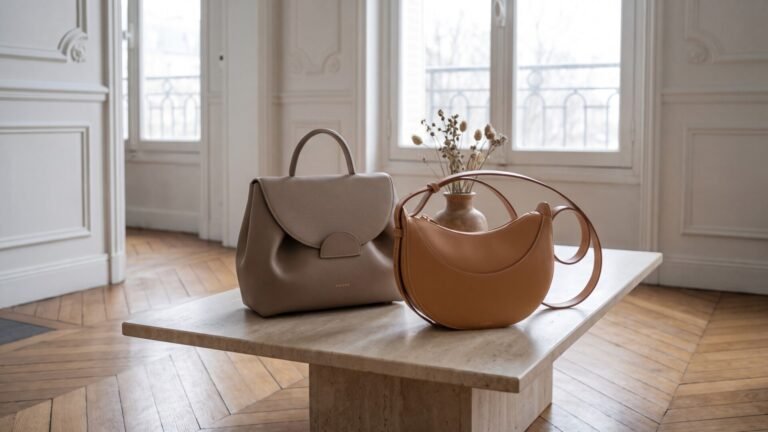
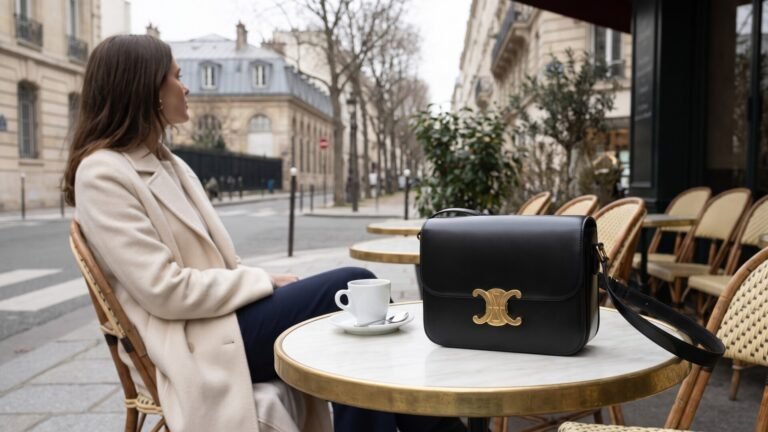
For the past several years, the quiet luxury aesthetic has been dominated by smooth, unadorned leathers in neutral palettes. Think of the clean lines of a Polène Numéro Dix in textured black or the structured silhouette of a Celine 16 in smooth calfskin. That has been the uniform of the discreetly wealthy. But a quieter shift toward texture and warmth is visible in autumn and winter collections, and suede is a big part of it. Rich, velvety finishes feel in sync with the cooler months, and many shoppers want pieces that are as pleasant to touch as they are to look at.
Polène, the Paris brand founded in 2016 by Antoine Mothay and his siblings Mathieu and Elsa, is a natural place for this conversation. It built its reputation on sculptural shapes in textured and smooth leather, made in Ubrique, Spain. When a deep brown suede colorway like Moka enters the picture, it raises a practical question for anyone who wants to carry it every day.
The Moka look is undeniably beautiful, a warm chocolate brown with understated depth. But is a suede bag a practical choice for daily life, or is it destined to be a pristine closet piece? This guide gives you the material facts, the realistic risks, a care routine, and current Polène price context so you can decide.
[Explore Polène’s suede and leather collections before seasonal sellouts.]
What Is the Polène “Moka” Suede Color?
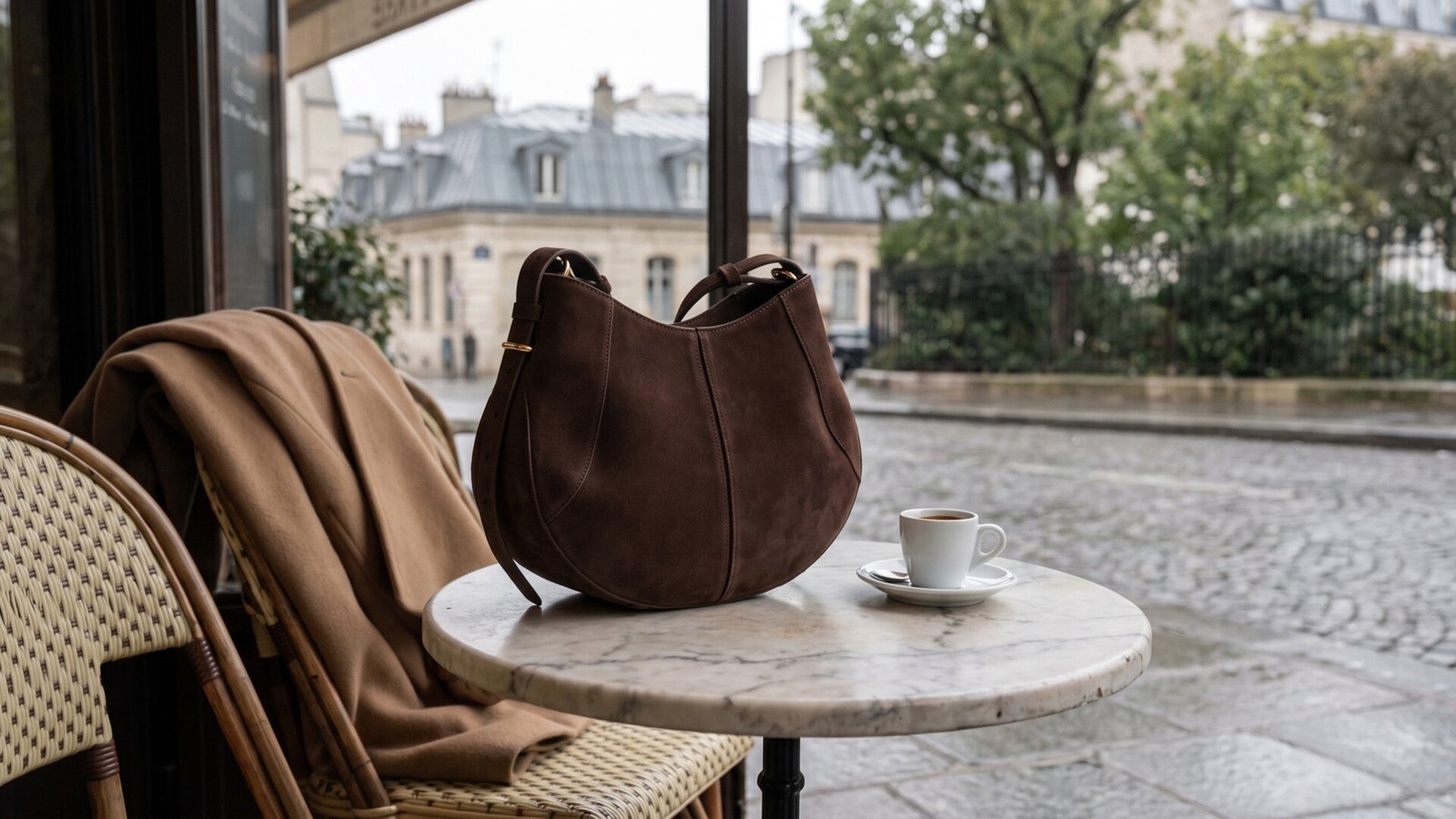
“Moka” is the name used for a warm, deep brown tone, reminiscent of rich coffee or dark chocolate. It sits comfortably within the quiet luxury palette: softer and more inviting than black, and more autumnal than beige or taupe. On suede, a brown like this tends to look richer than on smooth leather because the nap scatters light and gives the color depth.
Availability note: Polène releases suede-type finishes in limited, seasonal editions, and its core US selection leans on textured and smooth leathers. When we checked Polène’s US site in late October 2026, we did not find a bag listed as Moka suede in the main selection; the closest finish we saw was a Numéro Dix in Crocodile Nubuck, listed at about $580 in Cinnamon and Taupe. Colorways and materials change often, so check Polène’s current listings or authorized stockists before you plan a purchase around a specific shade.
Moka also fits the idea of a seasonal neutral. It pairs easily with cream cashmere, olive field jackets, navy, and gray, and it works as a softer alternative to black in fall and winter. For more on how Polène’s range fits together, see our Polène guide.
Suede vs. Nubuck vs. Smooth Leather: Durability Fundamentals
To understand whether suede is a durable choice, look at the material itself. The difference between suede and smooth leather is a difference in structure, not just looks.
- Suede: Suede is made from the underside of a hide, which gives it a soft, napped surface. That open, porous structure creates the velvety feel, but it also makes suede more susceptible to moisture, oils, stains, and friction.
- Nubuck: Nubuck is made from the outer side of the hide, which is lightly sanded to give a fine nap. It looks similar to suede but is generally regarded as somewhat tougher, though it still needs protection from water and oils.
- Smooth or textured leather: A sealed or embossed outer surface protects against everyday exposure. These finishes are generally easier to wipe clean and more forgiving of rain, which is why they are the safer choice for heavy daily use.
The Core Takeaway: This is an aesthetics-versus-durability trade-off. Suede is chosen for its soft texture and warmth. In exchange, you accept a material that is less resistant to wear, stains, and weather.
How Polène Builds Its Bags
Polène makes all of its bags in Ubrique, in southern Spain, a town long associated with leather goods, and uses Italian and Spanish leathers. Its textured and smooth calfskins are generally described as chrome-tanned, a process that tends to make leather more resistant to scratches and stains than vegetable tanning, although it also gives less of the deep patina that vegetable-tanned leather develops.
What Polène does not publish in detail is how its suede and nubuck editions differ from the leather range in lining, interior structure, or finishing. We cannot confirm claims that suede bags have a special reinforced core, and we have not seen a manufacturer statement on the point. Treat any claim of enhanced suede durability with caution unless Polène states it for the exact bag you are considering.
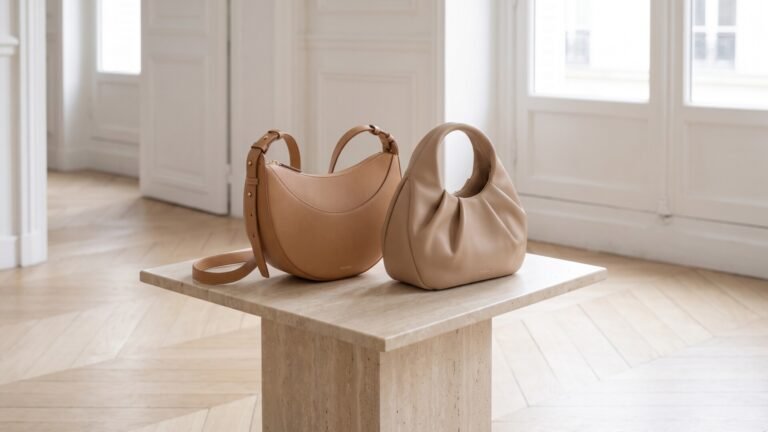
What you can judge for yourself is the shape. Structured bags like the Numéro Dix keep their form, which helps a napped finish look neat, while soft, slouchy bags put more flex and friction on the surface. See our comparison of the Numéro Dix vs. Numéro Neuf for how those shapes differ.
Real-World Durability of Suede
How does suede’s delicacy translate into daily life? The notes below describe general suede behavior rather than a wear test of a specific Polène bag.
- Everyday Wear Performance: Light marks can often be lifted with a suede brush or eraser. Water is the main weak point: a drop that is not blotted can leave a visible mark because it disturbs the fibers of the nap. Areas that rub against clothing, such as corners, straps, and the underarm side, can darken or look shiny over time. Direct sunlight can fade dyed suede.
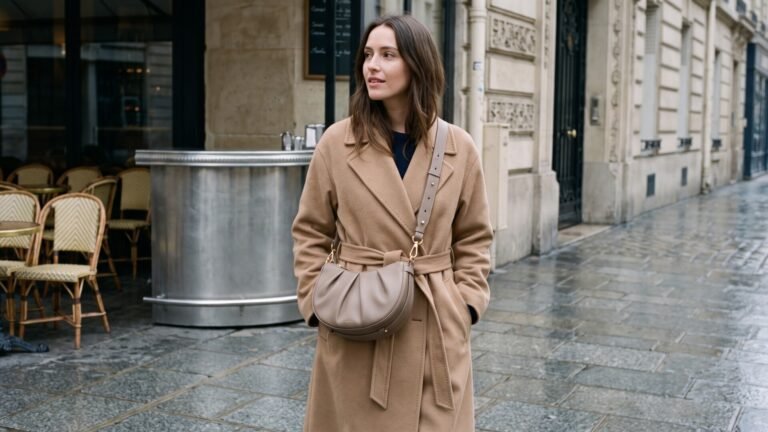
- Seasonal Impact: Suede suits dry fall and winter days. Rain, snow, slush, and the humidity and sweat of summer are all higher-risk conditions.
- Usage Scenarios: Office use is generally gentle, since the bag sits on a desk or chair. Commuting on foot or public transport carries more risk from rain and contact with wet coats and crowded spaces. Travel carries the most risk because of spills, rough handling, and weather.
Key Insight: Suede is “durable conditionally.” Its longevity depends on your environment and habits. It suits someone who drives or takes short dry walks, but it is a riskier choice for a daily pedestrian in a rainy city.
Suede vs Other Polène Finishes: Durability and Price
To gauge suede’s resilience, compare it with Polène’s other finishes. Prices below are approximate US list prices as of late October 2026 and vary by model and edition.
| Finish | Example Bags and Approx. Price (USD) | Everyday Durability | Care Burden |
|---|---|---|---|
| Textured leather | Numéro Un Nano about $470; Cyme Tote about $630 | Highest; texture masks scuffs | Low |
| Smooth leather | Numéro Dix about $660; Osmo about $610 | High; shows scratches more than textured | Low to moderate |
| Nubuck (seasonal) | Numéro Dix Crocodile Nubuck about $580 | Moderate | Moderate to high |
| Suede (seasonal) | Varies by edition; check current listing | Lowest | High |
Summary: Suede is the best choice for visual warmth, not for resilience. If you want a carefree daily bag, choose a textured black or a neutral like taupe or camel. If you are willing to spend more time on care for a richer look, suede or nubuck can be rewarding.
Stain, Water & Maintenance Risk Analysis
Here are the risks you accept when you buy a suede bag.
- Primary Risks:
- Water Spotting: The number one enemy. Rain is an immediate threat.
- Oil Absorption: Oils from hands, hand cream, or a dropped salad dressing can darken suede permanently.
- Dust and Dirt: Over time, the open nap collects fine particles that can make the color look dull.
- Fading and Burnishing: In high-friction zones like corners and straps, suede can darken or become shiny.
- Dye Transfer: Dark, dye-heavy fabrics such as new denim can transfer color onto light suede, and brown suede can mark pale clothing in wet conditions.
- Maintenance Requirements:
- Suede Protector Spray: Apply a protector made for suede before first use and reapply regularly. It reduces risk but does not make suede waterproof. Test on a hidden spot first.
- Avoid Water: Do not carry suede in heavy rain. A downpour without cover can cause permanent marks.
- Regular Brushing: A suede brush lifts the nap and removes dust before it settles into the fibers.
Insight: Owning a suede bag means active care. Unlike a black textured bag you can toss on the floor of a café, this one needs a routine.
Styling Value vs. Practical Durability
The decision to buy suede is ultimately a trade between visual reward and practical resilience.
- Why People Choose Suede:
- Rich Seasonal Aesthetic: A natural statement for fall and winter.
- Pairs with Neutrals: A brown like Moka complements beige, cream, olive, navy, and gray.
- Quiet Texture: In a sea of smooth leather, suede adds depth without a logo.
- The Trade-Off:
- Lower Resilience: It is less forgiving of rough daily use.
- Higher Maintenance: It needs a care routine and attention to weather.
Core Idea: With a suede bag you are buying the material’s beauty, and the care it demands is the price of admission.
Who Should Choose Suede?
A Moka-style suede bag is a good match for these shoppers:
- Fashion-Focused Buyers: You prioritize look and feel above all.
- Seasonal Wardrobe Curators: You already rotate bags between seasons.
- Light-Use Handbag Owners: You want a dinner or occasion bag for dry days.
- Office and Occasional Wear Users: The bag will spend most of its time on a desk or chair, away from the street.
Who Should Avoid Suede?
Be honest with yourself. If you fall into any of these groups, a leather bag is likely a better fit.
- Heavy Daily Commuters: Subway rides, long walks, and unpredictable weather add up.
- Rainy Climate Users: Cities with frequent rain are a high-risk setting.
- Low-Maintenance Buyers: If sprays and brushes sound like a chore, choose smooth or textured leather.
- Travel-Heavy Lifestyles: A bag that goes through airport trays and overhead bins is better in scratch-resistant textured leather.
Is Suede a Good Long-Term Investment?
“Investment” in luxury can mean two things: financial appreciation or long-term wearable value.
- Pros:
- Warm browns and suede finishes fit current soft-luxury styling.
- A bag in clean condition appeals to buyers who specifically want that look.
- Cons:
- Suede is condition-sensitive. Water marks or fading hurt secondhand value more than light wear on smooth leather.
- Polène bags are priced as accessible luxury, so absolute resale amounts are modest, and we have no reliable resale figures for suede editions.
Conclusion: Suede delivers style value more than investment value. Buy it for the enjoyment of wearing it now, not as a financial asset. For Polène price context and which bags are worth buying before the next price change, see Top 7 Polène bags to buy in 2026.
How to Extend the Life of a Suede Bag
If you decide to buy, follow this care strategy to get the most from it.
- Pre-Use Protection: Apply a protector spray designed for suede in a ventilated area, test it on a hidden patch first, and let it dry fully before use.
- Controlled Storage: Keep the bag in its dust bag, stuffed lightly with acid-free tissue to hold its shape, and away from humidity and direct sunlight.
- Avoid Wet Conditions: Skip the bag on days when rain is forecast. If it gets wet, blot gently with a clean, dry cloth, never rub, and let it air dry at room temperature away from radiators and hair dryers.
- Brush Regularly: Use a soft suede brush in one direction to lift the nap, and a suede eraser for small marks.
- Rotate Usage: Do not use it every day of the year. Rotating with other bags spreads wear and gives the material a rest.
- Get Professional Help for Big Stains: For oil or ink marks, a specialist leather cleaner is safer than home remedies.
Suede Bag Styling and Daily Habits That Reduce Risk
Choosing a durable finish is only half the picture. How you carry a napped bag changes how it ages. These habits apply to any suede or nubuck handbag, Polène or otherwise, and they are general care guidance rather than test results for a specific model.
- Mind your outerwear. Rough wool coats and denim jackets rub against a shoulder or crossbody bag all day. If you wear a bag on the shoulder, a smooth-fabric coat causes less friction.
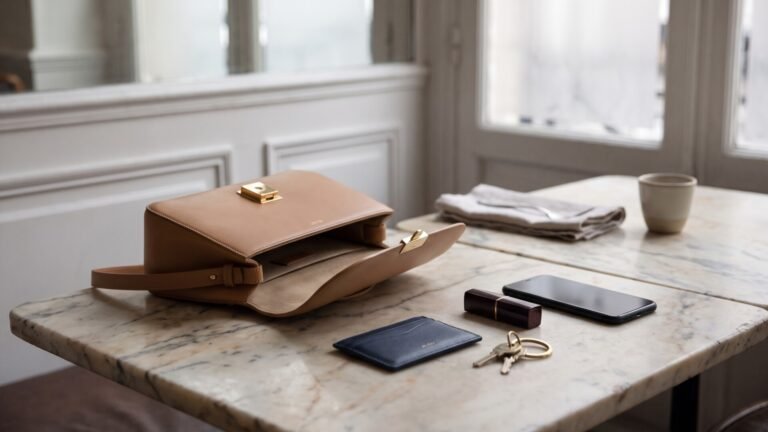
- Keep cosmetics and hand cream out of the main compartment. Leaks and oils are hard to remove from a napped lining or interior. A small pouch contains them.
- Set it on a chair, not the floor. Floors and café tables collect moisture and grit that transfer straight into the nap.
- Choose a structured shape. A bag that holds its form, such as the Numéro Dix covered in our Numéro Dix vs. Numéro Huit comparison, flexes less than a soft slouchy design, so the surface sees less creasing and friction.
- Plan for weather before you leave. If rain is forecast, keep suede at home. A textured leather bag from the same house is the more practical pick for wet days.
How to Check Whether a Moka Suede Polène Exists Before You Buy
Because seasonal finishes come and go, it is worth confirming exactly what is on sale before you plan a purchase around a shade name. A practical routine:
- Check Polène’s own site for the model, material name, and color name, and note whether the listing says suede, nubuck, or leather.
- Compare the listed price with the approximate ranges in the table above; a seasonal edition may sit above or below the core line.
- If you are buying secondhand, ask the seller for photos of the base corners, strap anchors, and any areas where the nap looks flattened or shiny.
- Read the care instructions that come with the bag and follow them over any generic advice, including the tips on this page.
For a shortlist of well-reviewed models in the range, see our guide to the top Polène bags to buy in 2026 and the full Polène guide.
A Safer Route: Textured Leather in a Similar Tone
If you love the idea of a warm neutral but not the upkeep, consider textured camel or taupe leather. Polène lists the Cyme Tote at about $630, the Numéro Neuf Mini in textured camel or taupe at about $540, and the Béri in textured camel at about $490. Textured leather hides small scratches better and wipes clean more easily. Read our guides to the Numéro Sept Mini, the Tonca as a Paris travel bag, and whether the Tonca is the best quiet luxury bag under $500, or compare the Numéro Dix and Numéro Huit.
For a different French take on quiet luxury, see our Saint Laurent vs Celine comparison and the wider guide to French luxury fashion houses.
Frequently Asked Questions About The Polène Moka Suede Bag
Is suede durable for handbags?
Suede is less durable than smooth or textured leather. It is more prone to water damage, staining, and friction wear. With regular care, such as protector spray, brushing, and avoiding rain, a well-made suede bag can last for years.
Does Polène suede stain easily?
Like all suede, it is more susceptible to stains than smooth leather. Oils, water, and dirt can mark the surface if not treated quickly. Applying a suede protector before first use is recommended to reduce the risk.
Is Moka a good color for everyday use?
Moka is a versatile warm neutral that pairs with many outfits. As a suede finish, it is best suited to office and occasional wear. For heavy daily use such as commuting or travel, a textured black or neutral leather is a more durable choice.
How do you clean suede bags?
Avoid water. Use a soft suede brush to lift dirt and refresh the nap, and a suede eraser for small marks. For stubborn stains, see a specialist cleaner. Prevention matters most: use a suede protector and avoid wet conditions.
What is the difference between suede and nubuck?
Suede is made from the underside of the hide, while nubuck is made from the outer side, lightly sanded to create a fine nap. Nubuck is generally considered somewhat tougher, but both need protection from water and oils.
How much do Polène bags cost in 2026?
As of late October 2026, US list prices on Polène’s site range from about $250 for a Numéro Dix Micro to about $660 for a smooth Numéro Dix or a Mokki Mini, with textured and smooth styles in between. Seasonal editions differ, so check current listings.
Is Polène worth it in 2026?
Polène offers designer-style shapes in Italian and Spanish leather, made in Ubrique, Spain, at prices well below heritage luxury houses. Whether it is worth it depends on your priorities; see our Polène guide for model-by-model detail.
Final Verdict: Is Moka the Most Durable Polène Color in 2026?
The answer is no.
Suede is not the most durable choice in Polène’s range. That distinction goes to the textured leather bags, such as the Numéro Un in textured black, which are designed for everyday use and hide small scuffs well.
However, “most durable” is not the same as “best.” For the buyer who values texture and warmth, a Moka-style suede can be the most visually rich option. It is for the shopper who is willing to protect a beautiful piece of design.
Final Breakdown:
- Most Durable: Textured black or neutral leather.
- Most Balanced: Smooth leather in taupe, camel, or black.
- Most Aesthetic: Suede or nubuck in a warm brown.
If you want a stress-free, go-anywhere bag, buy leather. If you want a warm, textural statement piece that you will look after, suede is worth considering.
[Explore Polène’s most durable and seasonal handbag collections.]