The Ultimate Guide to Sezane Shoes: Sizing, Comfort, and Quality Review
Sézane is best known for blouses, knitwear and denim, but its shoes cause the most second-guessing. They look good in photos, they are sold mostly online, and fit varies by style. This guide covers sizing, comfort, materials and durability for the main Sézane shoe styles, and says clearly where the evidence comes from: Sézane’s own product descriptions where we could check them, and customer reviews, which are opinion rather than testing. We have not worn or lab-tested these shoes ourselves.
It is written for first-time buyers who want to avoid a costly return, and for repeat buyers unsure how one style’s fit relates to another.
[Check current styles and availability before popular sizes sell out]
About Sézane Shoes
Brand overview
Sézane was founded by Morgane Sézalory, who began by selling vintage pieces online, first on eBay as a teenager and then through an online shop called Les Composantes. Sézane itself launched around 2013 as a direct-to-consumer label, and the brand has since opened physical stores in Paris and other cities, including several in the United States. The model keeps prices below traditional luxury houses while the design stays vintage-inspired and feminine.
Sézane describes some of its shoes as made in Portugal. On the product pages we could reference, the Paula Babies are described as handcrafted in Europe at a Portuguese atelier. Origin varies by style and season, so check the “made in” line on the specific product page.
Shoe collection
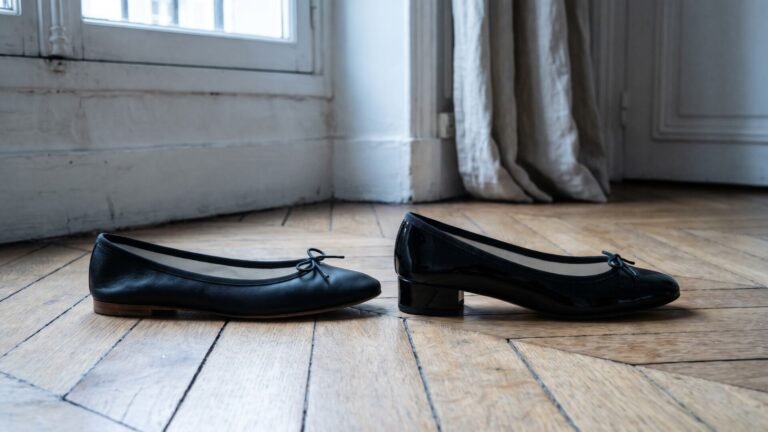
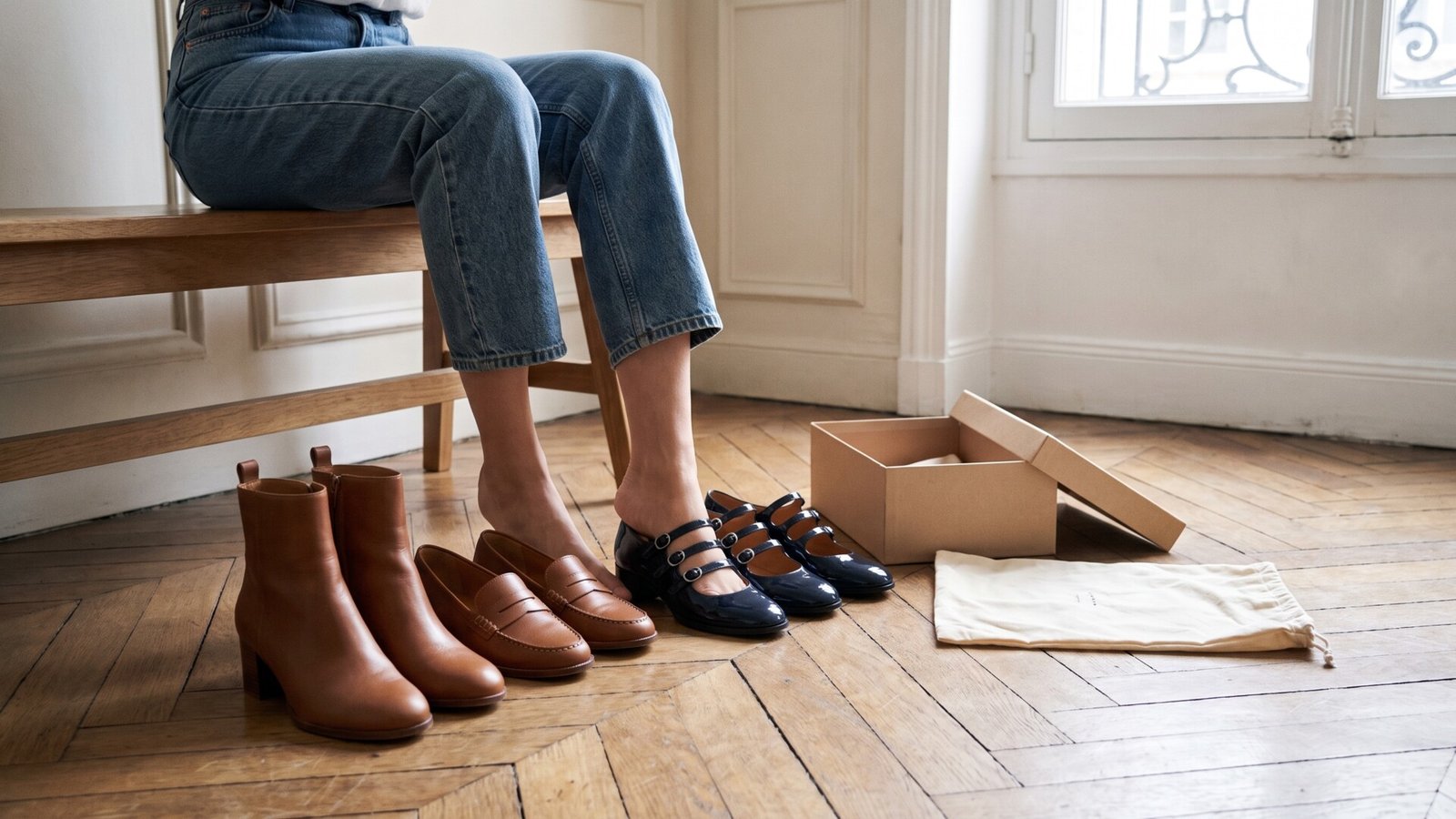
- Ballet flats and Mary Janes: the Paula Babies are the signature style, with a rounded toe, a strap across the instep and a low block heel.
- Loafers: classic penny and flat loafers in leather or suede, released seasonally.
- Boots: including the Sandy ankle boot, with a lace-up front and inner zip.
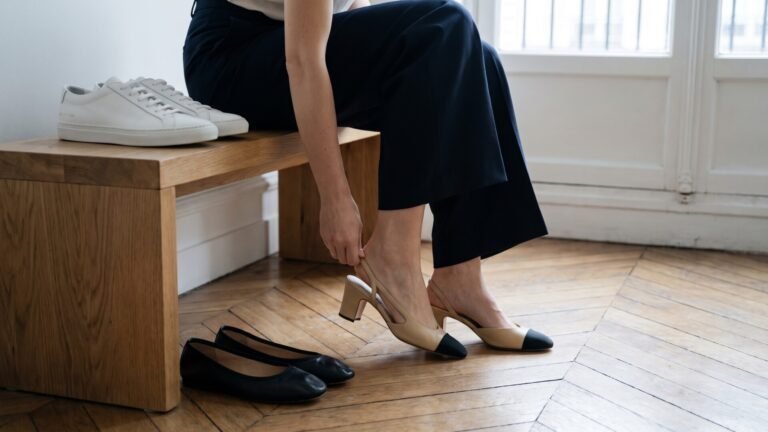
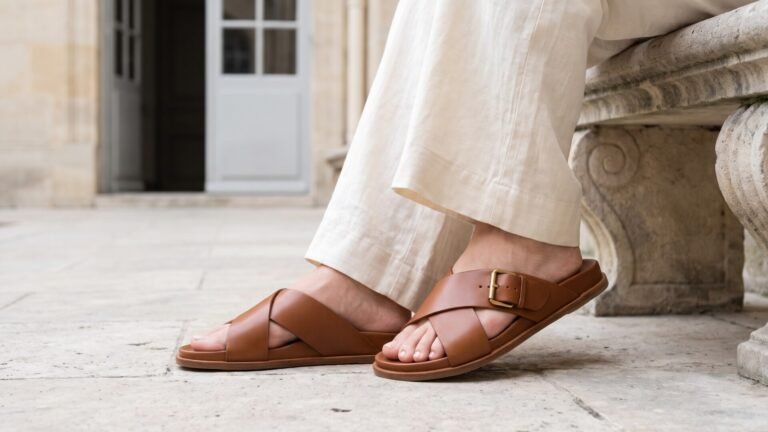
- Sandals and heels: woven or braided leather styles each summer, plus low court shoes.
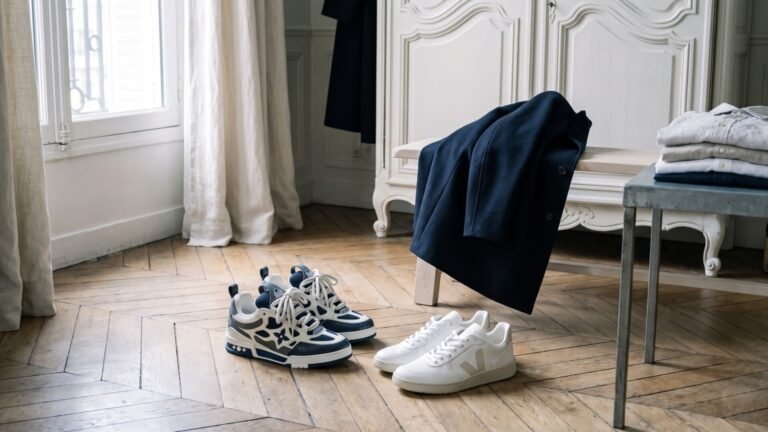
- Sneakers: in autumn 2025 Sézane released its first collaboration with New Balance, a limited-edition 471 in burnt orange, navy and brown, sold first through Sézane’s own website.
Price positioning
Sézane shoes sit in the mid-priced tier. A 2024 review listed the Paula Babies at $215, while older versions of this article quoted a lower figure converted from euros. Prices change by season and market, so expect roughly $200 to $230 for the Paula Babies and a range of about $150 to $350 across most shoe styles; boots and suede usually cost more than flats. Confirm current prices on the product page.
That puts Sézane above fast-fashion shoes and below heritage ballet-flat makers such as Repetto, which we compare with Miu Miu in our guide to the best 2026 ballet flat. The value case rests on design and brand more than on luxury-grade materials.
Sézane Shoe Sizing Guide
Do Sézane shoes run true to size?
It depends on the style. Sézane uses European sizing, and its general advice is to size up if you are between sizes. Because Sézane has revised its US size grid in the past, we no longer reproduce a conversion table here: use the size guide on the product page you are buying from, and compare it with a shoe you already own, measured in centimetres.
Sizing by category
Ballet flats (Paula Babies): reviewers frequently describe the toe box as narrow. Opinion on sizing is mixed: some buyers go up half a size for width and then find the heel slips, others find their usual size fits best. If you are between sizes and have a medium or narrow foot, a try-on of both is the safest approach, and Sézane offers only a limited range of half sizes in this style, so check availability.
Boots (Sandy and similar): Sézane’s advice is to take your usual size unless you are between sizes. The inner zip and lacing give some room to adjust for calf and instep, although a structured boot has less give than a soft flat.
Sandals: fit varies by style. Flat woven sandals tend to be described as roomy, while sandals with a wooden heel may run large and need a half size down, according to individual reviews. Read the reviews on the specific product.
Loafers: expect a traditional fit with a short break-in period as leather softens, particularly across the instep.
Sizing by foot type
Wide feet: structured styles with a narrow toe box, the Paula Babies in particular, are the hardest to fit. Woven sandals and styles with laces or an adjustable strap give more flexibility. A cobbler can stretch leather in width, but not patent finishes reliably.
Narrow feet: these are generally the easiest to fit, though a heel strap or inserts may help prevent slipping in flats.
High arches or instep: a strap across the instep can press on a high instep. Lace-up boots and adjustable styles are more forgiving.
[Check size availability before your size sells out]
Comfort: Are Sézane Shoes Comfortable?
Comfort depends on the style, your foot shape and how long you wear them. Reviews are divided even on the same shoe: Sézane’s Paula Babies are made with patent goatskin outside and a vegetable-tanned sheepskin lining, and one 2024 reviewer described the lining as very soft, while others report pinching and heel blisters in the first wears.
Break-in
Treat any structured leather shoe as needing a break-in period. Wearing them indoors in thick socks for short stretches, adding heel grips if the back rubs, and using blister plasters on longer first outings are standard approaches. Patent leather stretches less than matte leather, and non-leather materials will not stretch at all, so if a style uses synthetic components do not count on it softening.
Cushioning and support
These are fashion shoes. Flats have thin soles with limited arch support, which is fine for dinners, events and short walks but less suited to a full day of sightseeing. Boots offer more structure than flats or sandals because of the enclosed shape and rubber sole.
| Style | Comfort profile | Best for |
|---|---|---|
| Paula Babies | Narrow toe box, low block heel (about 5 cm), thin sole | Dinners, events, short walks |
| Sandy boots | Structured, adjustable closure, 6 cm heel | Daily autumn and winter wear |
| Woven sandals | Light and flexible; may stretch | Summer weekends and travel |
| Low court shoes | Modest heel; fit varies by size and material | Office wear in warmer months |
| Loafers | Short break-in, structured instep | Smart casual and office |
Quality and Craftsmanship
Sézane’s product pages specify materials for each shoe. The Paula Babies are listed as patent goatskin outside with a vegetable-tanned sheepskin interior, and the Sandy boots as vegetable-tanned goat leather with a lizard-effect finish. Vegetable tanning uses plant-based tannins rather than chromium salts; it is a traditional process that gives leather a distinct character, but it does not by itself make a shoe durable or sustainable.
Sézane says its shoes are produced in European workshops, notably in Portugal. We could not independently verify the audit standards Sézane applies to its factories, so we do not list them here; the brand’s own sustainability pages are the place to check. Stitching and finishing on mid-priced shoes of this kind are generally clean, but you should not expect the construction methods of a resoleable, welted shoe. Flats and sandals with thin soles will wear faster than boots.
Durability
Reviews that report wear typically involve daily commuting in woven or straw-effect styles, where the material loosened and stretched within a year. Patent leather resists stains but can crack if flexed repeatedly or left to dry out. Rotating pairs, using shoe trees and avoiding wet weather extend the life of any leather shoe.
Are they worth the price?
If you want a distinctive silhouette and will wear the shoes for occasions rather than for daily marathons, the price is reasonable. If your priority is all-day comfort or maximum durability, a specialist comfort brand or a heritage maker with resoleable construction is better value per wear.
Best Sézane Shoes by Category
Ballet flats and Mary Janes: Paula Babies
The Paula Babies are Sézane’s most recognisable shoe: a rounded toe, a thin instep strap and a 5 cm block heel, in patent goatskin in several colours that change by season. Roughly $200 to $230 at the time of writing.
Best for: dinners, weddings and brunch. Pros: recognisable design, easy to dress up or down, soft lining. Cons: narrow fit, limited support, patent leather does not stretch much.
[Shop Paula Babies]
Boots: Sandy
The Sandy is a 6 cm-heeled ankle boot with a lace-up front, inner zip and leather lining, made in Portugal according to Sézane. Price varies by season; check the current listing.
Best for: autumn and winter daily wear and the office. Pros: adjustable fit, rubber sole for traction, lined. Cons: the heel suits some wearers better than others, and the colour range is limited.
[Shop Sandy Boots]
Sandals: seasonal woven styles
Woven and braided sandals appear each summer in flat and block-heel versions. They are light, breathable and flexible across foot widths, but seasonal availability is limited and woven materials can stretch and fray with heavy use.
Loafers and low court shoes
Loafers and low court shoes follow the usual fit patterns for their category and are released in limited runs. Read the product reviews for the specific style, since fit differences between seasons are common.
Sézane Shoes vs Other Brands
Sézane vs Repetto and heritage ballet-flat makers
Repetto and similar specialists focus on ballet construction, and their prices are generally higher. Sézane’s advantage is variety of style at a lower price and its easy online ordering. Read our comparison of Repetto Cendrillon and Miu Miu for what a ballet flat at that level offers.
Sézane vs Veja for casual footwear
Veja is a French sneaker specialist, while Sézane’s sneaker offer so far is a collaboration with New Balance. If sneakers are what you want, our guide to the best French designer sneakers covers Veja and other options, and the Isabel Marant Bekett is a more fashion-driven alternative. For dress shoes Sézane has the wider range.
Sézane vs luxury French heels
If you want a statement heel rather than an everyday flat, compare the Roger Vivier Belle Vivier buckle pump and the Christian Louboutin Kate vs So Kate. These cost far more, but they are in a different category of construction and price.
Common Complaints
Inconsistent sizing. Fit differs between styles and seasons, which makes ordering from a size chart unreliable. Break-in discomfort. Structured flats and boots may take time to soften, and some do not become fully comfortable. Limited support. The shoes are built for style, not long walks. Returns. Sézane’s return terms, including exclusions for archive or final-sale items, change over time and by market; read the current policy before buying and keep the packaging. Wear on thin soles and woven materials with daily use.
Care and Maintenance
Leather: condition occasionally, keep out of the rain and store with shoe trees. Patent: wipe with a damp cloth and avoid solvents. Suede: use a protector spray and a suede brush. Woven or braided: avoid rough surfaces and rotate pairs. Allow shoes to rest between wears so the leather can dry out, and see a cobbler for stretching, heel repair or resoling where the construction allows it. For leather care more broadly, see our guide to French leather.
Who Should Buy Sézane Shoes?
They suit buyers who care about design, wear shoes for dinners, events and weekends, have narrow to medium feet, and can handle a break-in period. They are less suitable for all-day walking or standing, wide feet, anyone who wants a single do-everything pair, and buyers who need resoleable, long-wearing construction. For the wider category, see our ultimate guide to French shoes and our overview of French luxury fashion houses.
Final Verdict: Are Sézane Shoes Worth It?
For style, yes. For comfort and durability, it depends on the pair and your foot. Buy Sézane shoes for the occasions they suit, rotate them with a comfortable everyday pair, order from a seller with a clear return policy, and avoid final-sale items unless you are sure of the size.
[Browse current Sézane shoe styles and sizes before they sell out]
Frequently Asked Questions About Sézane Shoes
Do Sézane shoes run small?
It depends on the style. Sézane recommends your usual size unless you are between sizes, in which case size up. Paula Babies are often described as narrow, and sizing up does not always help, so compare against a shoe you already own and read the current size guide.
Are Sézane shoes comfortable for walking?
They are designed more for style than for long walks. Expect thin cushioning and limited arch support in flats, and a more supportive feel in boots. They suit short walks and occasions better than a full day on your feet.
Are Sézane shoes real leather?
Many are. The Paula Babies are listed with patent goatskin outside and a sheepskin lining, and the Sandy boots as vegetable-tanned goat leather, but materials vary by style, so read the product page.
Are Sézane shoes worth the price?
For design and brand appeal, many buyers think so. For durability and all-day comfort, some do not. Prices are roughly $150 to $350 across most styles, with the Paula Babies at about $200 to $230.
Which Sézane shoes are the most comfortable?
Boots like the Sandy offer more structure, and flat woven sandals tend to need less break-in. Comfort is individual, so check reviews for your foot type.
How do I break in Sézane shoes?
Wear them indoors with thick socks for short periods, use heel grips or blister plasters if the back rubs, and see a cobbler about stretching leather styles. Patent leather stretches less than matte leather.
Can I return Sézane shoes if they do not fit?
Sézane has a return policy, but terms differ by market and some archive or final-sale items are excluded. Check the current policy at checkout before you order.