Louis Vuitton vs Dior: Heritage vs Modern Luxury
The rivalry between Louis Vuitton and Dior represents one of the most significant contrasts in luxury fashion. Both sit under the LVMH umbrella, yet they occupy fundamentally different positions in the market and in the minds of consumers. Louis Vuitton, founded in 1854, built its reputation on trunks, travel, and uncompromising craftsmanship passed down through generations. Dior, established in 1946, revolutionized fashion with the New Look and continues to define modern femininity through bold, innovative design.
This comparison goes beyond which brand is better. The real question is which brand better serves your specific needs, preferences, and values as a luxury buyer. Do you prioritize heritage and timeless investment pieces, or do you seek contemporary innovation and trend-setting design? The answer determines which brand deserves space in your wardrobe.
[Internal: Explore our complete luxury brand comparison hub]
Quick Verdict Summary
Louis Vuitton Strengths
- Unmatched heritage: 170 years of continuous craftsmanship tradition
- Iconic design language: The Monogram canvas is instantly recognizable worldwide
- Strong resale value: Classic pieces retain 60-80% of retail value
- Practical luxury: Many designs prioritize everyday functionality
- Stealth wealth options: The leather collections offer understated elegance
Dior Strengths
- Innovative design: Consistently pushes boundaries with new silhouettes and concepts
- Cultural relevance: Strong presence in fashion, beauty, and contemporary culture
- Distinctive femininity: Designs that celebrate and redefine modern womanhood
- Dynamic evolution: Creative directors refresh the brand while honoring its DNA
- Beauty empire: Accessible luxury entry point through cosmetics and fragrances
Key takeaway: Louis Vuitton serves buyers who value heritage, durability, and investment potential. Dior appeals to those seeking artistic expression, modern luxury, and trend-forward design. Neither is objectively superior; the right choice depends on your priorities.
Design Philosophy
Louis Vuitton: Timeless Function Meets Quiet Authority
Louis Vuitton’s design philosophy centers on functional elegance. The brand’s origins in trunk-making established principles that persist today: clean lines, durable construction, and practical features. The Monogram canvas, introduced in 1896 to prevent counterfeiting, became the most recognizable pattern in luxury fashion.
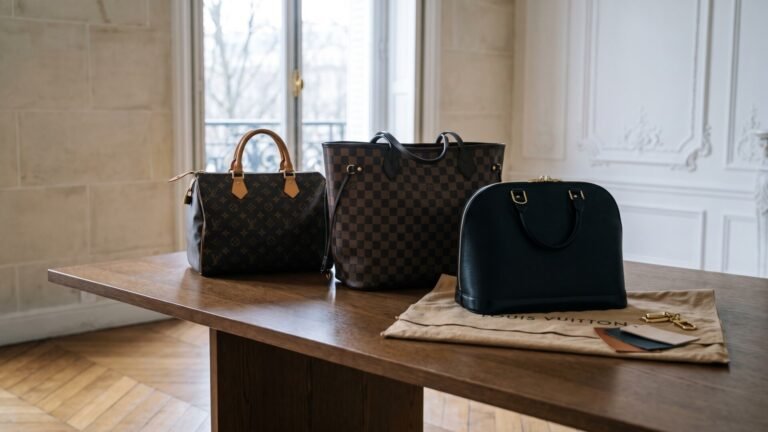
The Speedy bag, introduced in 1930 as the Express, embodies this philosophy. Its structured silhouette, rolled leather handles, and spacious interior serve a clear purpose: carrying essentials with grace. The Neverfull, launched in 2007, continues this tradition with an expandable tote that adapts to the wearer’s needs.
Louis Vuitton’s design language rewards those who appreciate subtlety. The leather collections, including the Capucines and Twist lines, feature minimal branding and refined details that reveal themselves upon closer inspection. This approach aligns with quiet luxury principles while maintaining the brand’s status signaling.
Dior: Artistic Vision and Sculptural Silhouettes
Dior’s design philosophy springs from Christian Dior’s revolutionary vision. The New Look of 1947, with its cinched waist and full skirt, rejected wartime austerity and redefined femininity. This commitment to sculptural, dramatic design continues under successive creative directors.
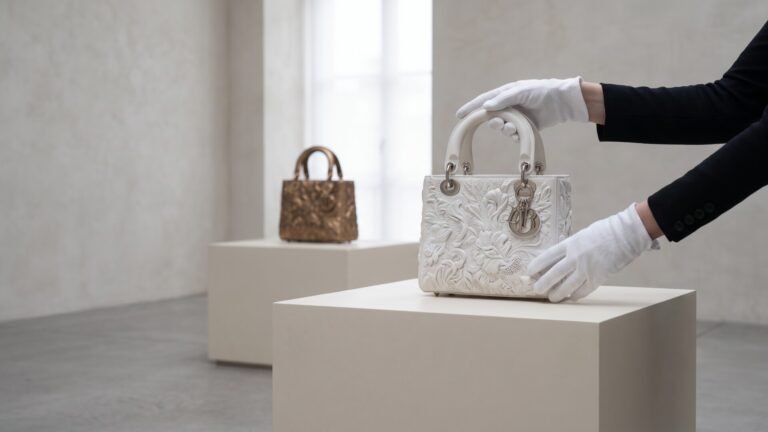
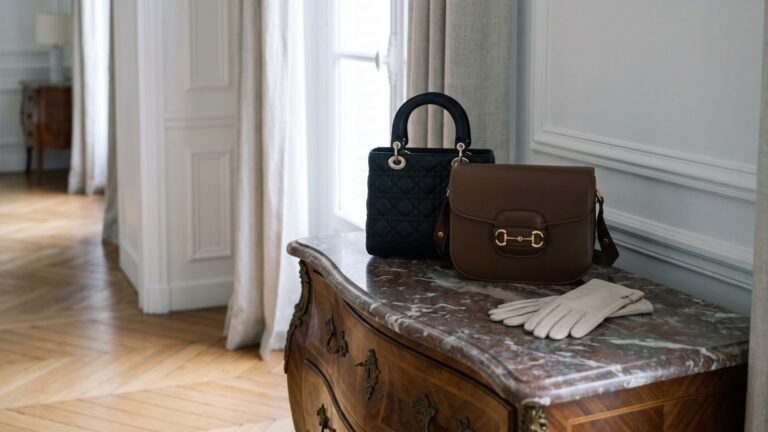
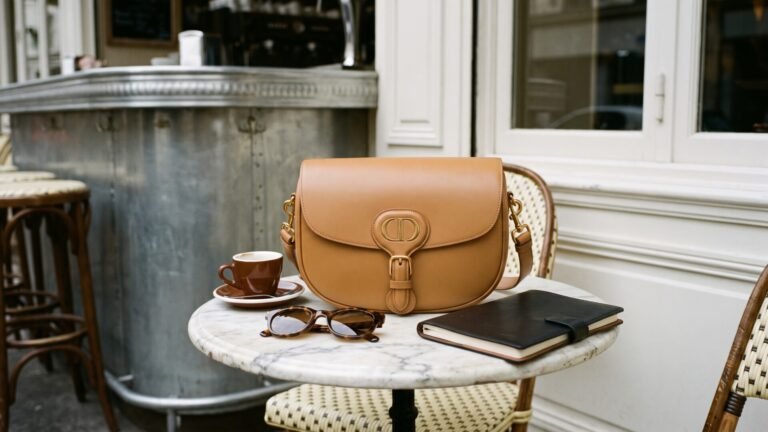
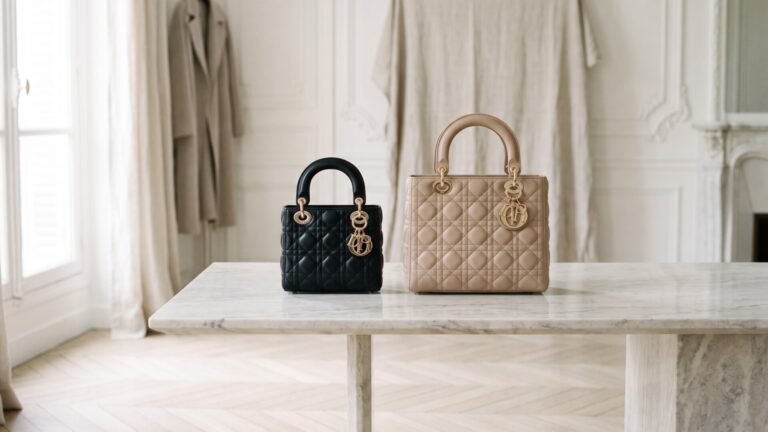
The Lady Dior bag, introduced in 1995 and famously carried by Princess Diana, exemplifies this approach. Its cannage stitching, inspired by Napoleon III chairs used in Dior’s first salon, creates a quilted texture that feels architectural. The Saddle bag, revived by Maria Grazia Chiuri in 2018, represents Dior’s willingness to embrace unconventional shapes.
Dior’s design philosophy prioritizes statement-making over practicality. These are bags designed to be seen, to complement an outfit, and to declare the wearer’s fashion awareness. The Lady Dior’s stiff structure and delicate handles prioritize aesthetics over capacity.
What This Means for Buyers
Louis Vuitton designs age gracefully because they never chased trends. A Speedy from 1960 looks current today. Dior designs capture a specific moment in fashion history, making them more exciting but potentially less timeless.
Buy Louis Vuitton if you want a bag that will look appropriate for decades without feeling dated.
Buy Dior if you want a bag that makes a deliberate fashion statement and reflects current luxury trends.
[Internal: Read our guide to quiet luxury handbags]
Craftsmanship
Louis Vuitton: Industrial Precision with Artisanal Roots
Louis Vuitton’s craftsmanship combines traditional techniques with modern manufacturing efficiency. Each bag undergoes over 400 steps before completion. The Monogram canvas, coated for durability, undergoes rigorous testing for colorfastness and wear resistance.
The brand operates workshops in France, Spain, Italy, and the United States, each specializing in specific product categories. The Asnieres workshop outside Paris produces custom orders and the most complex pieces. Artisans train for years before working on customer orders.
Louis Vuitton’s quality control is relentless. Each component, from zippers to hardware, meets exacting specifications. The brand tests bags with weights, abrasion machines, and climate chambers to simulate years of use. This commitment explains why vintage Louis Vuitton pieces often outlast newer competitors.
Dior: Atelier Precision and Innovation
Dior’s craftsmanship emphasizes the couture heritage of the house. The ateliers in Paris produce ready-to-wear and accessories with techniques borrowed from haute couture. Cannage stitching, hand-finished edges, and precise hardware placement reflect this attention to detail.
Dior integrates modern technology while preserving traditional skills. Laser cutting enables precise leather work, while hand-finishing ensures each piece has unique character. The Lady Dior requires 95 separate pieces of leather and 18 hours of work to complete.
The brand’s leather quality matches Louis Vuitton, though the materials differ. Dior uses calfskin, lambskin, and goatskin, each selected for specific aesthetic qualities rather than maximum durability. The Lady Dior’s lambskin lining, for example, prioritizes softness over longevity.
Craftsmanship Comparison
| Aspect | Louis Vuitton | Dior |
|---|---|---|
| Primary material | Coated canvas, Epi leather, calfskin | Calfskin, lambskin, cannage stitching |
| Production time per bag | 8-12 hours (simple) to 40+ hours (complex) | 18-20 hours (Lady Dior) |
| Durability | Excellent for canvas; good for leather | Good for leather; delicate for lambskin |
| Repair availability | Extensive worldwide service | More limited, fewer locations |
| Consistency | Highly standardized across production | More variation between pieces |
Winner for durability: Louis Vuitton, especially for canvas pieces.
Winner for artistry: Dior, particularly in couture-inspired details.
Brand Heritage
Louis Vuitton: The Original Luxury Travel Brand
Louis Vuitton founded his company in 1854 in Paris, specializing in flat-topped trunks that could be stacked for train travel. This innovation solved a practical problem: earlier trunks had rounded tops that made stacking impossible. The brand’s heritage is fundamentally about travel, exploration, and the art of packing.
The Damier pattern, introduced in 1888, predates the Monogram by eight years. Georges Vuitton created the Monogram in 1896 to honor his father and combat counterfeiting. The LV initials and floral motifs became the most copied design in fashion history.
Louis Vuitton’s heritage includes collaborations with artists, architects, and designers. Stephen Sprouse, Takashi Murakami, and Yayoi Kusama have all reinterpreted the Monogram. These collaborations keep the brand relevant while honoring its history.
The brand survived two world wars, the Great Depression, and multiple shifts in fashion. This longevity creates an aura of permanence that newer luxury brands cannot replicate. When you buy Louis Vuitton, you buy into 170 years of continuous history.
Dior: Revolutionizing Femininity
Christian Dior founded his house in 1946 with backing from textile magnate Marcel Boussac. The first collection, presented in February 1947, shocked the fashion world. The New Look featured wasp waists, padded hips, and full skirts that required yards of fabric.
This was a deliberate rejection of wartime rationing and utilitarian dressing. Dior understood that women wanted to feel feminine and luxurious after years of sacrifice. The silhouette dominated fashion for a decade and established Dior as a revolutionary force.
Dior’s heritage includes legendary successors: Yves Saint Laurent, Marc Bohan, Gianfranco Ferre, John Galliano, Raf Simons, and Maria Grazia Chiuri. Each creative director reinterpreted Dior’s codes while respecting the house’s DNA. This succession of talent creates a heritage of innovation rather than preservation.
The Lady Dior bag connects directly to this heritage. Princess Diana carried it in 1995, and the bag became known as the “Princess Diana bag.” This royal association adds cultural significance beyond fashion.
Heritage Implications for Buyers
Louis Vuitton’s heritage emphasizes continuity and tradition. The brand changes slowly, preserving what works. Dior’s heritage emphasizes reinvention and artistic expression. The brand evolves with each creative director.
Choose Louis Vuitton if you value tradition and want to own a piece of fashion history that remains relevant.
Choose Dior if you value artistic evolution and want to participate in fashion’s ongoing conversation.
[Internal: Read about the history of luxury fashion houses]
Modern Luxury Trends
Adapting to Contemporary Consumer Behavior
Both brands have adapted to modern luxury trends, but in different ways. Louis Vuitton focuses on exclusivity through price increases and limited availability. The brand raised prices 15-20% in 2023 alone, positioning itself as an investment rather than a purchase.
Dior emphasizes experience and community. The brand hosts exhibitions, collaborates with artists, and creates immersive retail environments. The Dior flagship on Avenue Montaigne includes a museum, restaurant, and garden, transforming shopping into cultural tourism.
Sustainability Efforts
Louis Vuitton has committed to reducing environmental impact through the LVMH Life 360 program. The brand uses renewable energy in workshops, reduces packaging, and sources leather from certified tanneries. However, the brand continues to produce significant volumes, and critics question whether these efforts are sufficient.
Dior has made more visible sustainability commitments. The brand launched the Dior Bee collection, using recycled materials and supporting biodiversity. Maria Grazia Chiuri has incorporated eco-friendly practices into runway shows, including using recycled set materials and reducing air travel for models.
Digital Presence and Accessibility
Louis Vuitton maintains a carefully controlled digital presence. The website offers full shopping, but the brand limits social media engagement to maintain exclusivity. Product launches receive careful orchestration, creating anticipation and scarcity.
Dior embraces digital accessibility more fully. The brand maintains active social media accounts, collaborates with influencers, and offers a seamless e-commerce experience. The Dior beauty line provides an accessible entry point, with lipsticks and fragrances starting under $50.
Trend Adaptation
Louis Vuitton adapts trends slowly. The brand introduces new colors and materials but maintains core silhouettes. The Bumbag and Multi Pochette Accessoires represent the brand’s willingness to embrace utility trends while maintaining classic design elements.
Dior adapts trends more aggressively. The Saddle bag revival, the Book Tote’s popularity, and the 30 Montaigne line all respond to current fashion movements. Dior’s creative direction actively shapes trends rather than merely responding to them.
Investment Value
Louis Vuitton Investment Potential
Louis Vuitton consistently performs well as an investment, particularly for classic pieces. The Speedy 25 in Monogram canvas retailed for approximately $500 in 2000. Today, that same bag sells for $1,200 new and $700-900 pre-owned. This represents significant appreciation.
Factors driving Louis Vuitton investment value:
- Brand recognition: Universal awareness creates consistent demand
- Durability: Canvas pieces last decades with proper care
- Price increases: Annual increases of 10-20% protect resale values
- Limited availability: Certain pieces become collectible
- Heritage premium: Older pieces from specific eras command higher prices
The best investment pieces include:
- Speedy 25 and 30 in Monogram or Damier Ebene
- Neverfull MM in Monogram
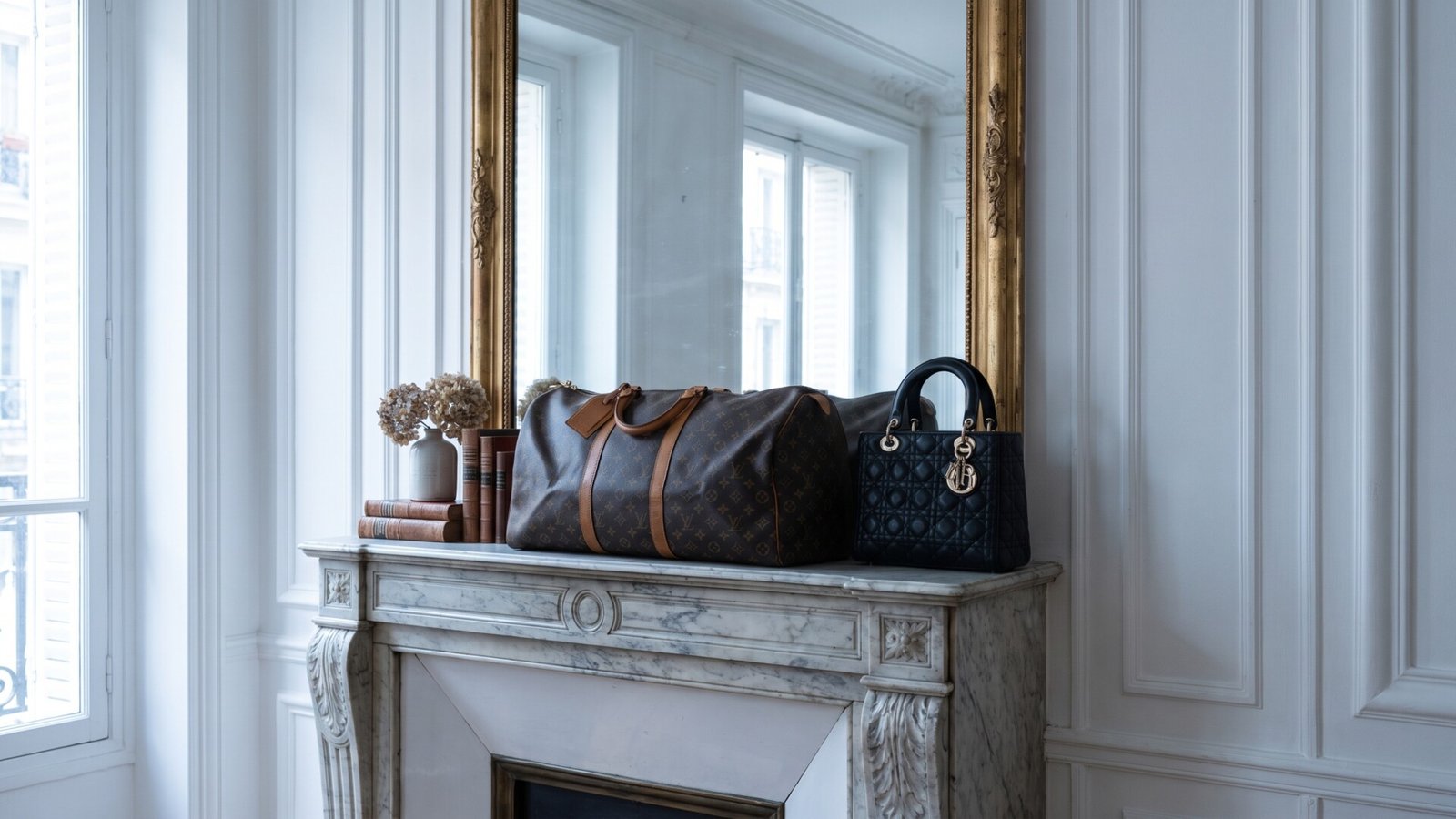
- Keepall 50 in Monogram
- Alma BB in Epi leather
Dior Investment Potential
Dior’s investment performance is more variable. The Lady Dior bag retails for approximately $5,000, but resale values typically range from 40-60% of retail. Limited editions and collaborations can perform better, but standard pieces depreciate more than Louis Vuitton equivalents.
Factors affecting Dior investment value:
- Trend sensitivity: Styles that feel dated lose value faster
- Material delicacy: Lambskin and satin pieces show wear quickly
- Brand evolution: Creative director changes can shift desirability
- Lower brand recognition: Dior has strong recognition but less than Louis Vuitton
- Seasonal releases: Many pieces become less desirable after their season passes
The best Dior investment pieces include:
- Lady Dior in classic colors (black, beige, navy)
- Saddle bag in canvas or calfskin
- Book Tote in Dior Oblique canvas
- 30 Montaigne in box calfskin
Investment Comparison
| Factor | Louis Vuitton | Dior |
|---|---|---|
| Average resale value retention | 60-80% | 40-60% |
| Best performing pieces | Classic canvas styles | Limited editions, Lady Dior |
| Price appreciation | Strong, annual increases | Moderate, varies by piece |
| Market demand | Consistent, global | Strong but more variable |
| Collector market | Established, active | Growing, less mature |
Winner for investment: Louis Vuitton, particularly for classic canvas pieces.
Note: Investment should not be the primary reason for purchasing luxury goods. Buy what you love, and consider resale value as a bonus.
[Internal: Read our guide to luxury handbag investment]
Resale Market Insights
Louis Vuitton Resale Dynamics
The Louis Vuitton resale market is the largest and most liquid for any luxury brand. The RealReal, Vestiaire Collective, and Fashionphile all report Louis Vuitton as their top-selling brand. This liquidity means you can sell quickly when needed.
Factors driving Louis Vuitton resale:
- Global demand: Buyers in every market seek Louis Vuitton
- Authentication confidence: Extensive knowledge base makes authentication reliable
- Price transparency: Clear market values for standard pieces
- Repair availability: Louis Vuitton repairs bags for a fee, maintaining condition
- Consistent design: Classic pieces remain desirable regardless of trends
The Monogram canvas performs best in resale. Epi leather and Damier patterns also hold value well. Limited editions can spike in value but carry more risk if the collaboration loses cultural relevance.
Dior Resale Dynamics
Dior’s resale market is smaller but growing. The Lady Dior and Saddle bag have dedicated collector communities, and the Book Tote has become a resale staple. However, Dior pieces take longer to sell and command lower prices relative to retail.
Factors affecting Dior resale:
- Seasonal sensitivity: Trend-driven pieces lose value faster
- Material concerns: Lambskin and delicate fabrics show wear quickly
- Authentication challenges: Fewer experts specialize in Dior authentication
- Repair limitations: Dior’s repair network is less extensive than Louis Vuitton’s
- Brand perception: Dior is seen as more fashion-forward, which can limit long-term demand
The best resale performers for Dior include classic Lady Dior colors, limited edition Saddle bags, and Dior Oblique canvas pieces.
Resale Market Comparison
| Aspect | Louis Vuitton | Dior |
|---|---|---|
| Market size | Largest in luxury | Moderate |
| Liquidity | High, sells quickly | Moderate, slower sales |
| Price retention | 60-80% for classic | 40-60% for classic |
| Authentication | Well-established | Growing but limited |
| Buyer pool | Global, diverse | Concentrated, fashion-focused |
Winner for resale: Louis Vuitton, with stronger liquidity and higher retention.
Practical Ownership Experience
Louis Vuitton: Daily Luxury
Louis Vuitton bags are designed for real life. The Neverfull fits a laptop, water bottle, and gym clothes. The Speedy transitions from work to weekend. The Keepall serves as a weekender. This practicality makes Louis Vuitton bags daily companions rather than occasional accessories.
The coated canvas resists water, scratches, and dirt. Leather trim requires care but develops a desirable patina over time. The bags are heavy relative to their size, particularly the leather-lined models, but the weight signals quality.
Louis Vuitton bags work for:
- Commuting and travel
- Work environments
- Casual and semi-formal occasions
- Everyday errands
Dior: Occasion Luxury
Dior bags prioritize beauty over utility. The Lady Dior’s stiff structure limits capacity. The Saddle bag’s curved shape makes packing challenging. The Book Tote, while spacious, lacks structure and organization.
Dior bags are best suited for:
- Special occasions and events
- Fashion-forward outfits
- Evening wear
- Photographs and social media
The Lady Dior’s delicate handles make carrying heavy items uncomfortable. The Saddle bag’s chain strap digs into shoulders when loaded. These are bags designed to be seen rather than used.
Practicality Comparison
| Aspect | Louis Vuitton | Dior |
|---|---|---|
| Everyday usability | Excellent | Limited |
| Capacity | Generous | Restricted by design |
| Weight | Moderate to heavy | Light to moderate |
| Durability | High for canvas | Moderate for leather |
| Maintenance | Low for canvas | Higher for delicate materials |
| Versatility | High | Moderate, statement pieces |
Winner for practicality: Louis Vuitton, by a significant margin.
Buyer Identity and Signaling
Louis Vuitton: Heritage as Status
Owning Louis Vuitton signals appreciation for tradition, quality, and permanence. The brand’s ubiquity means everyone recognizes the Monogram, but true connoisseurs know the leather collections and vintage pieces. This creates a hierarchy within the brand itself.
Louis Vuitton buyers often:
- Value craftsmanship and durability
- Prefer classic over trendy
- See luxury as an investment
- Appreciate understated details
- Want status without shouting
The Capucines bag, priced from $5,000, signals wealth without the Monogram’s visibility. The leather collections appeal to buyers who want Louis Vuitton quality without the logo.
Dior: Fashion as Identity
Owning Dior signals fashion awareness, artistic appreciation, and willingness to embrace trends. Dior buyers participate in fashion’s conversation rather than standing outside it. The brand’s association with contemporary culture makes it popular among younger consumers.
Dior buyers often:
- Follow fashion trends closely
- Value artistic expression
- Enjoy being noticed
- See luxury as self-expression
- Embrace change and evolution
The Saddle bag, particularly in bold colors or limited editions, signals fashion insider status. The Lady Dior in classic colors signals more traditional luxury appreciation.
Identity Comparison
| Aspect | Louis Vuitton | Dior |
|---|---|---|
| Status signal | Heritage, wealth | Fashion awareness, trendiness |
| Age demographic | 30-60, broad appeal | 25-45, fashion-focused |
| Gender appeal | Strong for both | Stronger female association |
| Occasion signaling | Daily luxury | Special occasion luxury |
| Stealth wealth options | Yes, leather collections | Limited, most pieces are recognizable |
What Most Buyers Get Wrong
Misconception: Louis Vuitton Is Just a Status Symbol
This criticism ignores the brand’s craftsmanship and durability. Louis Vuitton bags last for decades with proper care. The Monogram canvas resists wear better than most leathers. The brand’s repair service extends the life of bags indefinitely.
The reality is that Louis Vuitton offers genuine quality alongside status signaling. The two are not mutually exclusive. Buyers who dismiss Louis Vuitton as mere branding miss the craftsmanship that supports the brand’s reputation.
Misconception: Dior Pieces Lack Timelessness
While Dior produces trend-driven pieces, the Lady Dior has remained in production for nearly 30 years. The Saddle bag has survived multiple fashion cycles. Dior’s classic pieces, particularly in neutral colors, can serve as long-term wardrobe staples.
The key is choosing wisely. A Lady Dior in black calfskin will age better than a Saddle bag in seasonal print. Dior offers timeless options, but buyers must select them deliberately.
Misconception: You Must Choose One Brand
Many luxury buyers own both. Louis Vuitton serves daily needs; Dior provides occasion pieces. The brands complement rather than compete. A wardrobe with a Neverfull for work and a Lady Dior for events offers maximum versatility.
The question is not which brand is better, but which pieces serve which purposes.
Future Trends Analysis
Louis Vuitton’s Trajectory
Louis Vuitton will likely continue its strategy of controlled exclusivity and price increases. The brand is positioning itself as the Hermes alternative for buyers who want prestige without the waiting lists. Expect continued focus on leather collections and quiet luxury options.
The brand faces challenges from:
- Sustainability concerns about production volume
- Counterfeiting, which dilutes brand value
- Competition from emerging luxury brands
- Changing consumer preferences toward experiences over goods
Louis Vuitton’s response includes investing in repair services, expanding leather offerings, and controlling distribution. The brand’s size and LVMH backing provide resources to navigate these challenges.
Dior’s Trajectory
Dior will likely continue emphasizing artistic direction and cultural relevance. Maria Grazia Chiuri’s feminist messaging resonates with younger consumers. The brand’s beauty division provides accessible entry points that build brand loyalty.
Dior faces challenges from:
- Trend sensitivity, which creates volatility
- Competition from other fashion-forward brands
- Need to balance heritage with innovation
- Price increases that may alienate younger buyers
Dior’s response includes expanding accessories, investing in digital presence, and maintaining creative momentum. The brand’s smaller size allows more agility than Louis Vuitton.
Market Predictions
Both brands will grow, but in different directions. Louis Vuitton will become more exclusive and expensive, targeting ultra-high-net-worth consumers. Dior will maintain broader appeal while pushing creative boundaries.
The resale market for both brands will expand, with authentication services improving and platforms growing. Vintage pieces from both brands will command premiums as consumers seek sustainability and individuality.
[Internal: Read our luxury fashion market analysis]
Comparison Table
| Aspect | Louis Vuitton | Dior |
|---|---|---|
| Founded | 1854 | 1946 |
| Heritage focus | Travel, trunks, craftsmanship | Couture, femininity, revolution |
| Design philosophy | Functional elegance | Artistic sculpturalism |
| Signature patterns | Monogram, Damier | Cannage, Dior Oblique |
| Iconic bags | Speedy, Neverfull, Keepall | Lady Dior, Saddle, Book Tote |
| Material quality | Excellent, durable | Excellent, delicate |
| Craftsmanship | Industrial precision | Atelier artistry |
| Everyday practicality | High | Low to moderate |
| Investment potential | Strong | Moderate |
| Resale value retention | 60-80% | 40-60% |
| Status signaling | Heritage, tradition | Fashion, innovation |
| Price range | $1,200 – $10,000+ | $2,500 – $8,000+ |
| Sustainability efforts | Moderate, improving | Moderate, visible initiatives |
| Best for | Daily luxury, investment | Occasion luxury, fashion |
Conclusion
Louis Vuitton and Dior represent two valid approaches to luxury. Louis Vuitton offers heritage, durability, and investment potential. Dior offers innovation, artistry, and fashion relevance. Neither is objectively superior.
The right choice depends on your priorities:
Choose Louis Vuitton if you value:
- Long-term investment
- Daily practicality
- Quiet luxury options
- Classic, timeless design
- Strong resale value
Choose Dior if you value:
- Fashion-forward design
- Artistic expression
- Statement pieces
- Contemporary relevance
- Beauty and accessories diversification
Choose both if you want:
- A versatile wardrobe
- Different pieces for different occasions
- Maximum luxury exposure
- The best of heritage and innovation
[Affiliate: Shop Louis Vuitton Speedy Bag]
[Affiliate: Shop Louis Vuitton Neverfull Tote]
[Affiliate: Shop Dior Lady Dior Bag]
[Affiliate: Shop Dior Saddle Bag]
[Internal: Explore our complete luxury brand comparison hub]
[Internal: Read our guide to luxury handbag investment]
[Internal: Read about the history of luxury fashion houses]
Frequently Asked Questions About Louis Vuitton Vs Dior
What are the main differences between Louis Vuitton and Dior?
The primary differences lie in heritage, design philosophy, and practical application. Louis Vuitton emphasizes tradition, durability, and functional luxury, with roots in travel and trunk-making. Dior focuses on artistic innovation, feminine silhouettes, and fashion-forward design. Louis Vuitton bags generally offer better everyday practicality and stronger investment value, while Dior pieces excel as statement accessories for special occasions.
Which brand has better resale value?
Louis Vuitton consistently outperforms Dior in resale value retention. Classic Louis Vuitton pieces in Monogram or Damier canvas retain 60-80% of retail value, while Dior pieces typically retain 40-60%. The Louis Vuitton resale market is larger, more liquid, and benefits from stronger global demand. Dior’s resale performance improves for limited editions and classic Lady Dior styles in neutral colors.
How do Louis Vuitton and Dior approach sustainability?
Both brands participate in the LVMH Life 360 sustainability program, but their approaches differ. Louis Vuitton focuses on operational improvements: renewable energy in workshops, reduced packaging, and certified leather sourcing. Dior makes more visible commitments, including recycled materials, biodiversity support, and eco-friendly runway practices. Neither brand is a sustainability leader, but both are making measurable progress.
Are Louis Vuitton bags worth the investment?
Louis Vuitton bags, particularly classic canvas pieces, offer strong investment potential. The brand’s annual price increases of 10-20% protect resale values, and vintage pieces in good condition often sell above original retail. However, investment should not be the primary reason for purchase. Buy what you love and will use. The best investment pieces are Speedy 25/30, Neverfull MM, Keepall 50, and Alma BB in classic materials.
Which brand is more suitable for everyday use?
Louis Vuitton is significantly more suitable for everyday use. The coated canvas resists wear, the bags offer practical features like expandable sides and interior pockets, and the designs work for commuting, travel, and casual outings. Dior bags prioritize aesthetics over utility, with delicate materials, limited capacity, and shapes that make packing challenging.
What are the iconic products from each brand?
For Louis Vuitton: the Speedy bag, Neverfull tote, Keepall duffle, Alma bag, and Capucines bag. The Monogram and Damier canvas patterns are iconic. For Dior: the Lady Dior bag, Saddle bag, Book Tote, 30 Montaigne bag, and the J’Adior line. The Cannage stitching and Dior Oblique canvas are signature design elements.