Hermès: The Ultimate Guide to Bags, Leather Goods, and Investment Luxury in 2026
In the pantheon of luxury, one name sits alone at the very top: Hermès. More than a fashion house, it is an institution—a symbol of unwavering quality, exclusive craftsmanship, and a pricing power that defies normal economic logic. If Louis Vuitton is accessible luxury and Chanel is timeless chic, Hermès is the undisputed pinnacle of prestige and investment value.
Founded in 1837 as a harness workshop in Paris, Hermès is unique in the luxury industry. There are no blockbuster ad campaigns, no celebrity influencer deals, and no online sales of its most coveted bags. The brand relies entirely on craftsmanship, a mystique of scarcity, and word-of-mouth. This approach has made the Birkin not just a bag, but one of the most closely watched assets on the luxury resale market.
In 2026, Hermès’ dominance has reached new heights. For the first time, Kantar’s BrandZ ranking placed Hermès at the very top of its 2026 list of the most powerful French brands globally, (in the 2025 edition it ranked No. 2 at $109.4 billion, behind Louis Vuitton). The house has officially overtaken Louis Vuitton, a sign of how strongly the market values the house. Brand rankings and resale prices can change, and neither guarantees future returns.
This guide is your comprehensive resource for navigating the complex world of Hermès. From the iconic Birkin and Kelly bags to buying strategies, materials, and the booming resale market, you will learn how to appreciate, acquire, and invest in the pinnacle of French luxury in 2026.
Hermès in Brief: History and Ownership
Thierry Hermès opened his harness workshop in Paris in 1837, and the house remains family-controlled and publicly listed. Axel Dumas, a sixth-generation descendant of the founder, has led it as chief executive since 2013. The Kelly and Birkin are twentieth-century additions to a catalogue that began with saddlery, which is why equestrian references such as saddle stitching, the Picotin and the Evelyne recur throughout the range. Hermès is not an haute couture house; its strength is leather goods, silk, ready-to-wear and homeware.
Best Hermès Categories & Top Picks
Here is a quick overview of essential pieces to help you navigate this guide.
| Category | Top Pick | Why It Stands Out | Price Reference (2026) |
|---|---|---|---|
| Best Bag (Icon) | Hermès Birkin 30 | The ultimate status symbol and investment asset | ~$14,900 (US retail) |
| Best Investment | Birkin / Kelly | The blue-chip assets of the luxury world | Strong resale demand (not guaranteed) |
| Best Entry Item | Oran Sandals | Iconic design, immediate availability | ~$695–$900 |
| Best Everyday Bag | Hermès Evelyne | Practical crossbody with a discreet “H” | Varies by size and leather |
| Best Alternative Access | Picotin Lock | Chic bucket bag in the “non-quota” category | ~$4,000+ |
Related guides: French handbags, Hermès Oran sandals and French alternatives, and Oran vs Chypre.
Hermès Handbags
Hermès handbags are the most coveted objects in fashion. They are produced in limited quantities by a single artisan, leading to a global demand that far outstrips supply.
The Icons
Hermès Birkin Bag
The Birkin is perhaps the most famous handbag in history. According to the story the house tells, it grew out of a chance meeting around 1984 between Jane Birkin and Hermès chairman Jean-Louis Dumas; its sleek design, spacious interior, and double handles make it a recognizable silhouette worldwide. In 2026, the Birkin remains the preferred choice for those who want a roomy, luxurious tote.
Hermès does not publish production numbers, and supply is tightly rationed. In 2026, price increases continue to solidify its status. For instance, the Birkin 30’s US retail price increased from $13,900 in 2025 to $14,900 in 2026 (+7.2%). Despite this, demand remains stronger than ever, making the resale market incredibly competitive.
Hermès Kelly Bag
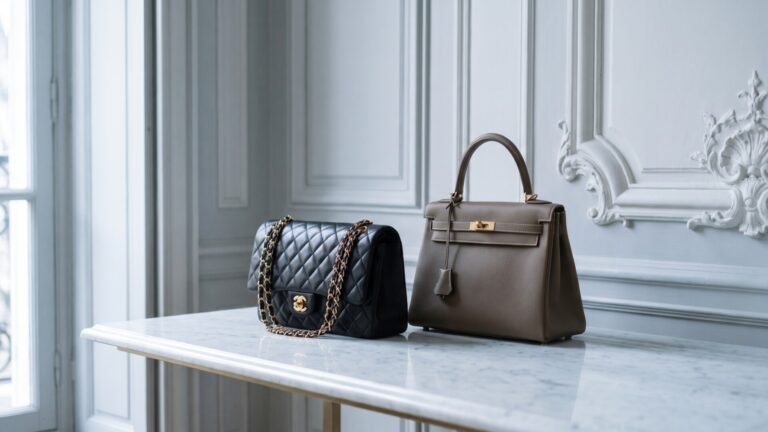
Associated with Grace Kelly (the house renamed the bag in her honour in the 1950s), the Kelly bag is a more structured, feminine, and elegant top-handle bag. It contrasts with the Birkin’s two leather straps by having a single top handle and a detachable shoulder strap.
In January 2026, a Kelly 25 in Togo Retourne was listed at $13,700 in the US; other sizes, leathers and the Sellier style are priced differently. Resale prices can run above retail for sought-after specifications but vary widely.
Everyday and Non-Quota Bags
For those who love the Hermès aesthetic but either do not wish to navigate the intense “quota bag” system or prefer a more relaxed, functional silhouette, the house offers a range of non-quota bags. (“Quota” and “pre-spend” are collector-community terms; Hermès has not published such rules and disputes that it ties bag sales to other purchases.) These are highly desirable in their own right, often available more readily in boutiques (though still subject to limited supply), and they make excellent everyday companions.
Evelyne Bag
The Evelyne is the quintessential casual crossbody. Reportedly conceived as a horse-grooming bag (the perforated “H” was meant for ventilation to clean brushes), it has become a cult favorite for its practicality and discreet branding. The adjustable canvas strap makes it comfortable for all-day wear, and the rear pocket is perfect for a phone. Popular sizes include the PM (small) and GM (large). Retail prices vary by size and leather, so check the current Hermès listing, and secondary-market prices vary with size, leather and condition.
Picotin Lock
Inspired by a horse’s feed bag, the Picotin Lock is a charming, unstructured bucket bag. Its minimal design (a simple cinched top with a small padlock) has earned it a devoted following. It is lightweight, easy to carry by hand, and comes in sizes from PM (18cm) to GM (26cm). The Picotin is so popular that boutique inventory rarely lingers; it is often offered to loyal clients as a “non-quota” reward before hitting the floor. Retail starts at approximately $4,000, but rare colors and leathers can command much higher prices on the resale market.
2002 Bag
The 2002 is a modern reinterpretation of a 1970s Hermès design, featuring a sleek, minimalist flap and an adjustable leather shoulder strap. It shares design DNA with the Constance (the “H” buckle appears in a subtle, embedded form) but at a lower price point. It is elegant enough for evening wear yet practical for daily use. The 2002 is less common than the Evelyne or Picotin, making it a favorite among collectors seeking understated rarity.
Herbag
The Herbag is often described as a “Kelly” canvas alternative. It features a similar silhouette, with a top handle, flap, and removable shoulder strap, but the body is made of weather-resistant canvas (the same used for the Garden Party) with leather trim. Unlike the leather-only Kelly, the Herbag is significantly lighter and more affordable. It also has a convertible feature: the top section can be swapped out for different canvas colors. Prices start around $3,000, making it one of the most accessible gateway bags to the Hermès universe.
Garden Party Tote
The Garden Party is Hermès’ ultimate workhorse tote. Designed as a spacious, unlined bag for gardeners and travelers, it features a wide opening, flat leather or canvas body, and minimal hardware. It comes in multiple sizes (TPM, PM, MM) and materials, including all-canvas, canvas with leather trim, and full leather. It is the perfect laptop-friendly bag for those who need function above all else. Canvas versions retail in the $2,500–$3,000 range, while leather versions climb higher.
Other Notable Non-Quota Bags
- Lindy: A slouchy, two-handed “banana” bag with a central zipper that curves around the sides. Beloved for its spacious interior and relaxed chic.
- Bolide: Dating to 1923, the Bolide is associated with Hermès bringing the zip fastener to leather goods. A structured, vintage-look top-handle bag that has seen a resurgence in popularity.
- Jypsiere: A casual, equestrian-inspired messenger bag with a front flap and multiple straps. Great for hands-free travel.
These non-quota bags offer a genuine entry point into Hermès craftsmanship without the intense pre-spend or waitlist pressure of the Birkin or Kelly. They also retain value exceptionally well, often selling at or above retail on the secondary market due to their utility and enduring appeal.
More bag comparisons: French handbags and French tote bags. If you buy pre-owned, choose sellers that provide written authentication and a return policy.
Hermès Small Leather Goods (SLGs)
SLGs are the most common entry point into the Hermès “purchase history” game. For the uninitiated, your first purchase at Hermès will likely be a pair of Oran sandals or a cardholder.
Wallets like the legendary Kelly Wallet (which functions like a mini-clutch thanks to its detachable strap) and the Silk’In Compact Wallet (perfect for evening events) retain their value exceptionally well. They offer the same leather quality and craftsmanship as a Birkin but at a fraction of the price.
Entry-level card holders in Epsom or Togo leather retail from approximately $500 to $1,000.
Hermès Shoes
While the Oran sandal may be the most recognizable, Hermès shoes are a pillar of the brand’s daily luxury strategy.
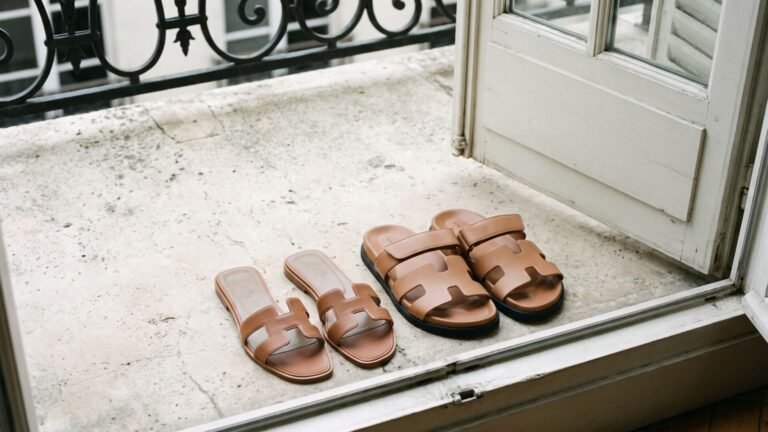
Oran Sandals: The cult favorite. A simple leather slide with a cut-out “H” logo. Retail in 2026 is estimated between $695 and $900, making them arguably the most accessible way to own a piece of Hermès iconography. They are so popular that entire Hermès pop-ups have been dedicated to them.
Chypre Sandals: A heavy, platform Velcro sandal (often called an “ugly chic” shoe). It’s a newer silhouette that has exploded in popularity, frequently selling out on the website. Known for being much more comfortable and supportive than the flat Oran.
Sneakers: Hermès produces premium leather sneakers, such as the Mr. Sneaker and the Volver, offering a high-fashion alternative to Veja or Golden Goose.
Boots: Hermès riding and ankle boots are the quietest option in the category, with almost no exterior branding. See how they compare with Saint Laurent, Chanel and Chloé in our guide to the best French designer boots.
Hermès Accessories & Lifestyle
The “Hermès lifestyle” extends far beyond the handbag department. For many collectors, accessories are a key strategy for building “pre-spend” history to qualify for a Birkin.
- Belts: The classic leather strap with the “H” buckle is a timeless accessory, beloved for its ability to instantly elevate a simple outfit.
- Silk Carré: The 90cm square silk scarf is a true wardrobe staple. Historically one of Hermès’ most consistent revenue streams, a new 90cm silk scarf in 2026 costs approximately $840 on the U.S. website. Our guide to the best French designer scarves compares the carré with Dior, Chanel and Louis Vuitton silk.
- Home Goods: Hermès is a lifestyle brand. Items like the iconic Avalon blankets ($2,000+) and the more recent Turntable vinyl record player (price upon request) cater to high-net-worth individuals seeking a cohesive luxury aesthetic in every aspect of life.
Hermès Craftsmanship & Materials
The entire value proposition of Hermès rests on the quality of its materials and construction.
Key Leathers:
| Leather | Characteristics | Best For |
|---|---|---|
| Togo | The most popular. Matte finish, slightly textured, lightweight, scratch-resistant and durable. The gold standard for Birkin and Kelly. | Everyday use, investment |
| Epsom | Pressed calfskin, very lightweight, structured, highly scratch-resistant. Holds its shape perfectly. | Structured bags like Kelly Sellier |
| Clemence | Bull calfskin. Softer, heavier, slouchier, with a larger grain. More casual look. | Picotin Lock, Lindy, relaxed Kelly |
| Box Calfskin | The historic Hermès leather. Smooth, glossy, vintage elegance. Shows scratches easily but develops a beautiful patina. | Collector pieces, special occasions |
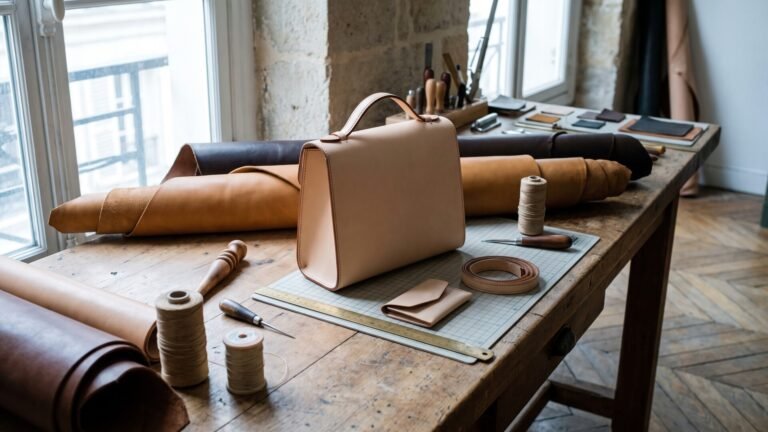
Craftsmanship: Each Hermès bag is handcrafted from start to finish by a single artisan in one of the brand’s ateliers in France. It takes a skilled artisan commonly cited figures of roughly 18 to 25 hours or more to complete a single Birkin. The saddle-stitching technique (a traditional harness-making technique central to the house since its 1837 founding) ensures that even if one thread breaks, the seam will not unravel.
Hermès Pricing & Accessibility (2026)
The raw retail pricing, while astronomical, is only half the story. In January 2026, Hermès implemented another price increase; Fashionphile reports roughly 6% to 9% on core Birkin and Kelly sizes in the US.
- Birkin 25 (US): $13,500 (Retail)
- Birkin 30 (US): $14,900 (Retail)
- Birkin 35 (US): $16,300 (Retail)
- Europe vs. US Arbitrage: Despite the prices, European retail remains cheaper. A Birkin 30 in Europe is €10,600. With a VAT refund (~10%), the net cost drops to ~€9,540 (~$10,160), representing a substantial saving compared to the US price.
- Kelly 25 (US Retail): $13,700
The Reality: The retail price is almost irrelevant because you cannot simply buy one. Access is the real luxury.
Hermès Investment & Resale Value
Some collectors treat a Birkin as a store of value, but a handbag is not a regulated investment and resale prices can fall as well as rise.
Resale analysts and auction houses report that Birkin and Kelly bags have often held or exceeded retail prices in recent years, though results depend on size, leather, colour, hardware, condition and timing. Reseller percentages differ from one source to another, so treat any single figure with caution.
The Performance Data
For reference, the US retail price of the Birkin 25 was $13,500 in January 2026. Exceptional rare pieces can reach very high auction prices, but those results are not typical of what a standard Birkin or Kelly will fetch.
Comparison with Other Houses
While Chanel and Louis Vuitton also retain value well, Hermès sits at the top of the investment pyramid. Hermès achieved 138% average value retention in 2025, and published comparisons with Louis Vuitton and Chanel differ between resellers. Hermès remains widely regarded as the strongest of the houses for resale, but results depend on the exact bag.
Hermès Buying Strategy (Critical Section)
Understanding how to buy is more important than what to buy.
Option A: The Boutique (The “Game”)
- In-store: You must enter a store and build a relationship with a Sales Associate (SA). You cannot just ask for a Birkin; you must first demonstrate loyalty.
- Pre-Spend: The hidden cost of buying a bag. collectors report that SAs consider your Purchase History (shoes, scarves, watches) before offering a bag. In 2026, pre-spend expectations are widely discussed online. It is common to encounter a ratio that varies by collector (figures reported by collectors differ widely). For rare colors or sizes, some collectors cite a staggering much higher expectation (anecdotal, not published by Hermès).
- Paris Lottery: Tourists seeking a “Boutique Win” can enter the online lottery system for an appointment at the Paris Sevres or Georges V store, but odds remain low.
Option B: The Resale Market
- For the majority of buyers, the pre-owned market is the most realistic way to get a specific Birkin within a specific timeline.
- Advantages: Immediate availability, no pre-spend, full control over color and hardware choice. Platforms like Sotheby’s, Rebag, and Fashionphile provide authenticated bags (often still in pristine condition) with immediate delivery.
The Verdict: If you are focused purely on the bag, buy pre-owned. If you are building a lifetime collection of Hermès home goods, shoes, and watches, play the boutique game.
Hermès vs. Other French Houses
Hermès, Chanel, Louis Vuitton, and Dior represent the four pillars of French luxury, but they address very different markets.
| Aspect | Hermès | Chanel | Louis Vuitton | Dior |
|---|---|---|---|---|
| Brand Vibe | Ultra-Exclusive, Craftsmanship | Timeless, Investment | Accessible, Travel | Feminine, Romantic |
| Entry Bag Price | $10,000+ (Quota) | $11,000+ | $1,200+ (Canvas) | $3,500+ |
| Scarcity | The Most Scarce | Very Scarce | Moderate | Moderate |
| Resale Value | Highest (Often above Retail) | Very high | High | Moderate |
| Shopping Experience | “The Game” (High Pressure) | Boutique-Only (Professional) | Open & Diverse (Casual) | Couture-Focused (Romantic) |
Bottom Line: Hermès is the purest intersection of luxury, investment, and scarcity. Chanel is the ultimate fashion status symbol. Louis Vuitton is the most dynamic and accessible global player. Dior is the most feminine and artistically driven.
Who Should Buy Hermès?
Ideal Buyer:
- The High-Net-Worth Individual: For whom the price is simply the price of entry.
- The Investment-Minded Collector: Someone who views their wardrobe as a portfolio with Bags as a stable store of value.
- The Connoisseur of Craftsmanship: Someone who can genuinely appreciate and identify the Togo calfskin and saddle-stitching.
Not Ideal For:
- The Budget-Conscious Shopper: There is no “value” here—only cost.
- The Immediate Gratification Shopper: Unless you have unlimited disposable income on the resale market, acquiring a Birkin requires patience.
- The Ultra-Minimalist: If you prefer zero logos and clean, unbranded lines, Hermès’ iconic hardware may feel too flashy.
How to Choose the Right Hermès Product
Based on Your Goal:
- You Want an Asset: Focus on BIRKIN 25 or KELLY 28 (Sellier) in neutral Togo or Epsom leather.
- You Want an Everyday Bag: Look at the Evelyne or Picotin. They are generally cheaper and easier to find than a Birkin.
- You Need a Stylish Sandal: The Oran is the fashion classic; the Chypre is the comfortable daily driver.
- You Are Building a Relationship (Pre-Spend): Buy Scarves, Home Goods, Bracelets, and Watches.
Based on Budget:
- Entry ($500 – $2,000): small leather goods, silk scarves and belts.
- Mid ($3,000 – $5,000): Oran or Chypre sandals, the Evelyne bag or a Garden Party tote (prices vary by item and leather).
- High ($10,000+): Birkin or Kelly, most realistically via the resale market.
Keep exploring: French luxury fashion houses, Chanel, Louis Vuitton and Dior.
Pre-Owned Checklist Before You Buy
- Seller terms: prefer sellers with a written authentication process, clear photos of the stamp, hardware and interior, and a return window.
- Specification: confirm the size, leather, colour, hardware and year stamp, since these drive price more than the model name.
- Condition and paperwork: check corners, handles and edge paint, and ask for the original receipt if available. No checklist alone can prove authenticity.
- Budget alternatives: if the price is out of reach, see how Hermès compares with Louis Vuitton vs Chanel and the best French handbag brands.
Final Verdict: Why Hermès Dominates Luxury in 2026
In the volatile world of 2026 economics—where supply chain fluctuations and shifting consumer behaviors disrupt most retailers—Hermès is an anomaly of stability and growth. The house has just been crowned France’s most powerful brand, overtaking Louis Vuitton.
For the seasoned collector, Hermès represents safety. For the aspirational shopper, it represents a goal to strive for. The brand’s firm resistance to mass production, its deep-seated heritage in saddle-making, and its mastery of pricing psychology have turned the Birkin and Kelly into symbols of scarcity, though buyers should not treat any handbag as a guaranteed investment.
Even as the top luxury brands lose value due to exposure to fashion cycles, the “ultra-luxe” segment of Hermès, Cartier, and Van Cleef & Arpels is soaring. In 2026, Hermès is not just a bag maker; it is the house against which other French luxury brands are measured.
Frequently Asked Questions About Hermès
Why are Hermès Birkin bags so expensive?
Several factors combine: handcraftsmanship (commonly cited at roughly 18 to 25 hours or more per bag by one artisan), tightly controlled supply, strong resale demand, and annual price increases. Hermès does not publish production numbers.
Can you walk into Hermès and buy a Birkin?
Rarely. Availability is limited, and collectors widely report that a sales associate considers your relationship and purchase history with the house before offering a bag. Hermès disputes that bag sales are tied to other purchases, so treat the practice as reported rather than official policy.
Which Hermès bag is best for resale value?
Classic sizes such as the Birkin 25 and 30 and the Kelly 25 and 28 in neutral colours and traditional leathers such as Togo or Epsom are the most sought after on the resale market. Results depend on condition, hardware, colour, leather and timing, and are never guaranteed.
Is Hermès better than Chanel as an investment?
Hermès bags have generally been reported to hold value better than Chanel on the resale market, and scarce Hermès styles can sell above retail. A bag is not a regulated investment, though, and the price you pay and the condition you sell in matter most.
What is the cheapest Hermès item?
Entry points include small leather goods, silk scarves, belts and sandals such as the Oran. Prices vary by item, size, leather and market, so check Hermès.com for current figures. See our Oran sandals guide for alternatives.
Is a Hermès non-quota bag a good alternative to a Birkin?
Bags such as the Evelyne, Picotin, Garden Party and Herbag offer Hermès craftsmanship at lower prices and with easier availability. They are practical choices if you value everyday use over resale potential.