Chanel vs Dior: Timeless vs Feminine Luxury
The rivalry between Chanel and Dior represents one of the most enduring debates in luxury fashion. Both houses sit at the summit of French haute couture, yet they speak to fundamentally different aesthetics, identities, and consumer desires. Understanding these differences is essential for anyone making a serious luxury investment.
Chanel embodies timelessness, structure, and understated power. Dior champions romanticism, sculptural femininity, and emotional allure. These are not minor stylistic variations. They represent competing philosophies about what luxury means and who it serves.
This comparison examines every dimension that matters to the discerning buyer: design philosophy, product quality, investment potential, resale performance, styling versatility, and long-term value. By the end, you will know exactly which house aligns with your wardrobe, your identity, and your financial goals.
Quick Verdict Summary
Chanel Overview
Strengths: Timeless designs that transcend seasonal trends, iconic handbags with proven investment performance (the Chanel 2.55 Flap Bag and Classic Flap Bag), legendary fragrances like Chanel No. 5, and a consistent brand identity that has remained remarkably stable for decades.
Reasons to buy: Superior long-term value retention, versatility across wardrobe contexts, quiet luxury appeal that signals sophistication without shouting, and pieces that remain relevant for decades.
Dior Overview
Strengths: Distinctive feminine silhouettes that make strong style statements, instantly recognizable bags like the Lady Dior and Saddle Bag, modern fragrances including J’adore, and a willingness to embrace contemporary trends.
Reasons to buy: Bold fashion-forward designs that command attention, romantic aesthetic that appeals to those who love expressive luxury, and pieces that feel current and exciting.
Key takeaway: Chanel represents timeless luxury with strong investment credentials. Dior embodies feminine allure with trendsetting appeal. Your choice depends on whether you prioritize longevity or statement-making.
Design Philosophy
Chanel’s design philosophy originates from Coco Chanel’s revolutionary vision in the early twentieth century. She rejected the restrictive corsetry of the era and introduced relaxed, functional silhouettes that gave women freedom of movement. This ethos persists today. Chanel designs prioritize clean lines, balanced proportions, and understated elegance. The color palette remains restrained: black, white, beige, navy, with occasional seasonal accents.
The house’s design language is immediately recognizable yet never loud. The diamond-quilted pattern, the chain-link straps, the interlocking CC logo, the tweed fabrications. These elements appear consistently but never overwhelm the wearer. Chanel achieves maximum impact through minimal means.
Dior’s philosophy, established by Christian Dior in 1947, took the opposite approach. The New Look reintroduced wasp waists, full skirts, and exaggerated feminine curves. Dior designs celebrate the female form through deliberate construction, dramatic silhouettes, and ornate detailing. The aesthetic is romantic, theatrical, and unapologetically luxurious.
Where Chanel whispers, Dior announces. The Bar jacket, the A-line skirt, the floral motifs, the architectural pleating. Dior pieces make statements. They demand attention and reward it with visual richness.
What this means for buyers: Chanel pieces integrate seamlessly into existing wardrobes. A Chanel jacket works with jeans, trousers, or dresses. A Dior piece often becomes the centerpiece of an outfit, requiring complementary styling. Neither approach is superior, but they serve different lifestyles.
Signature Products
Chanel’s Iconic Pieces
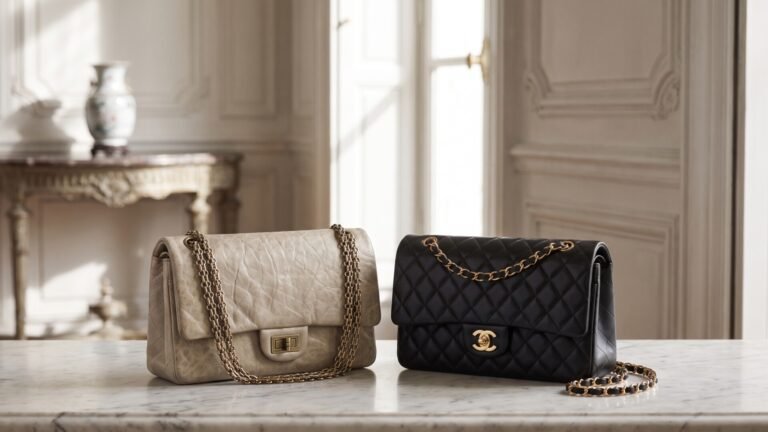
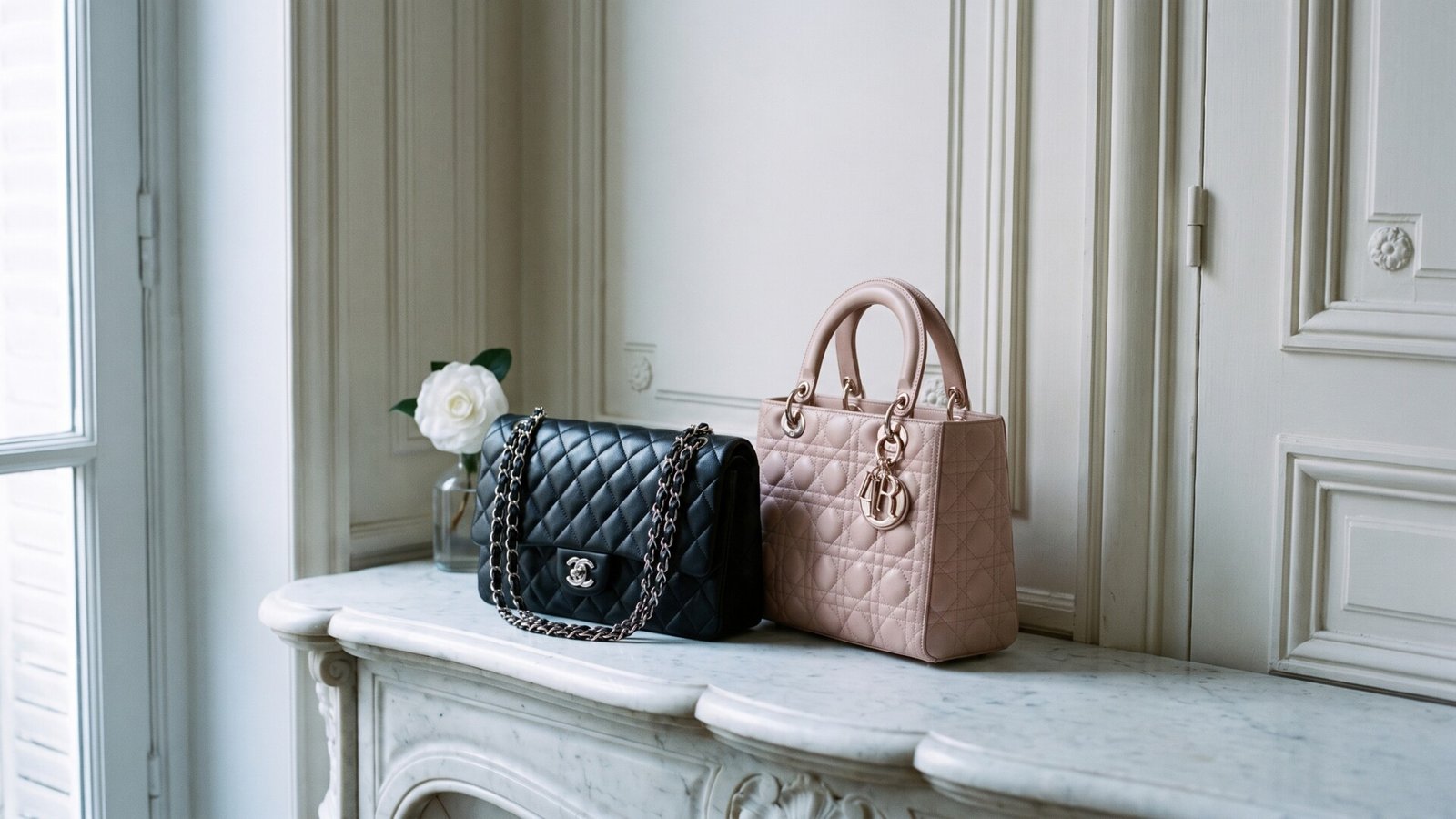
Chanel 2.55 Flap Bag: Introduced in February 1955, this bag revolutionized women’s handbags by adding a shoulder strap. The design remains virtually unchanged: the Mademoiselle lock, the quilted leather, the burgundy interior, the chain strap. Current retail prices range from $8,000 to $10,000 depending on size and leather. The bag has appreciated approximately 70 percent over the past decade.
Chanel Classic Flap Bag: Karl Lagerfeld’s 1983 update to the 2.55, replacing the Mademoiselle lock with the interlocking CC turn-lock. This is the most recognizable Chanel handbag and the strongest investment piece in the luxury handbag market. Prices have risen from approximately $4,000 in 2015 to over $10,000 today for the medium size.
Chanel No. 5: The world’s most famous fragrance, created in 1921. A complex aldehyde floral that remains the best-selling fragrance in history. The 100ml bottle retails for approximately $135.
Chanel Tweed Jacket: The ultimate quiet luxury garment. Each jacket requires hundreds of hours of hand-finishing. Prices range from $5,000 to $8,000. A well-maintained vintage jacket can sell for 60-70 percent of its original retail price.
Dior’s Signature Items
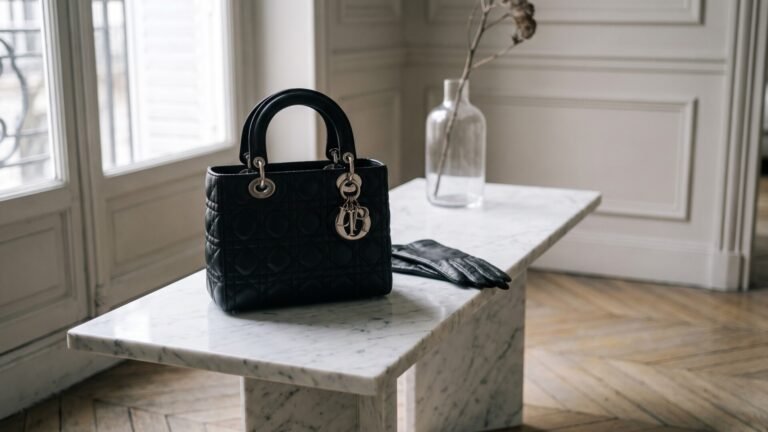
Lady Dior Bag: Launched in 1995 and famously carried by Princess Diana. The cannage quilting, the dangling D-I-O-R charms, the structured top handles. Prices range from $5,500 to $7,000. The bag has strong recognition but weaker resale performance than comparable Chanel models.
Dior Saddle Bag: Originally released in 1999, discontinued in 2007, and revived in 2018. Its distinctive curved shape divides opinion. Prices start at $4,500. The Saddle Bag appeals to fashion-forward buyers but has limited versatility.
Dior J’adore: Launched in 1999, this floral-fruity fragrance has become a modern classic. The 100ml bottle retails for approximately $140.
Dior Bar Jacket: The original New Look silhouette, still produced today. Prices start at $4,500. Unlike the Chanel jacket, the Bar Jacket makes a deliberate fashion statement that requires specific styling.
Comparison Table:
| Product | Brand | Starting Price | Resale Retention | Versatility Score |
|---|---|---|---|---|
| Medium Classic Flap Bag | Chanel | $10,200 | 80-90% | 9/10 |
| Lady Dior Medium | Dior | $6,500 | 50-60% | 6/10 |
| Saddle Bag | Dior | $4,500 | 40-50% | 4/10 |
| 2.55 Reissue 226 | Chanel | $9,500 | 75-85% | 8/10 |
Quality and Craftsmanship
Both houses maintain exceptional craftsmanship standards, but their approaches differ significantly.
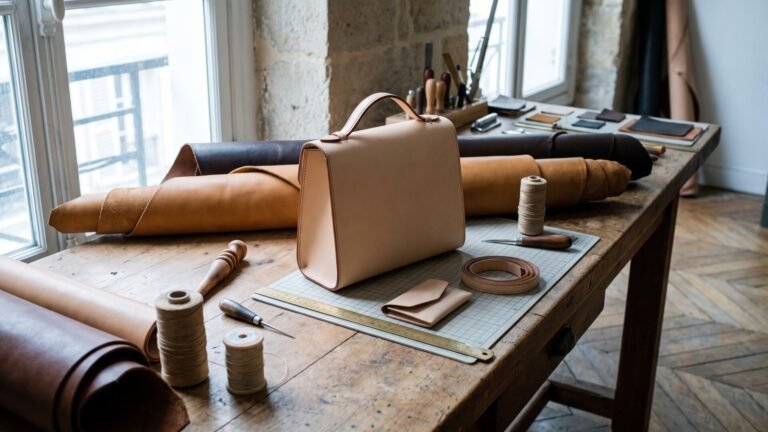
Chanel produces its handbags in multiple workshops across France and Italy. Each bag requires 15 to 18 hours of labor for the Classic Flap. The leather selection process is rigorous: only the top 5 percent of hides meet Chanel’s standards. The quilting is achieved through a specific technique called “mousse” that creates the signature puffiness without compromising durability.
The chain straps are hand-woven through leather strips, a detail most buyers never notice but that significantly affects longevity. The interior stamp, the serial number placement, the alignment of the quilting pattern. Chanel obsesses over details that remain invisible to the casual observer.
Dior handbags are produced primarily in Italy, with some leather goods made in France. The Lady Dior requires approximately 18 hours of hand-finishing. The cannage stitching must be perfectly aligned across all panels. The Dior charms are individually attached and weighted for balance.
Dior uses a wider variety of materials than Chanel, including exotic skins, embroidered fabrics, and mixed media. This variety allows for more creative expression but also introduces variability in durability. A lambskin Lady Dior requires more careful handling than a calfskin Chanel Flap.
Hidden advantage: Chanel’s limited material palette means they have perfected the production of each leather type. Dior’s willingness to experiment sometimes results in less consistent quality across different product lines.
Hidden drawback: Chanel’s quality has reportedly declined slightly in recent years as production volume increased. Some collectors note that vintage Chanel bags from the 1980s and 1990s feature thicker leather and more precise stitching than current production models.
Styling Versatility
Chanel’s greatest practical advantage is versatility. A Chanel Classic Flap Bag transitions seamlessly from morning meetings to evening events. The chain strap allows crossbody, shoulder, or doubled wear. The neutral color palette complements virtually any outfit.
The Chanel tweed jacket works with jeans for casual occasions, with trousers for office wear, or with a silk skirt for evening events. This adaptability explains why many luxury buyers own multiple Chanel pieces. They function as wardrobe foundations rather than statement items.
Dior pieces make stronger statements but offer less flexibility. The Lady Dior is primarily a top-handle bag, which limits wearing options. The Saddle Bag’s curved shape prevents it from sitting flat against the body. These are deliberate design choices that prioritize aesthetics over practicality.
A Dior Bar Jacket commands attention. It requires careful styling to avoid looking costumey. The structured silhouette works best with simple, modern pieces that let the jacket dominate.
Practical consideration: If you need one bag for work, travel, and evening events, choose Chanel. If you have a larger collection and want pieces for specific occasions, Dior offers more distinctive options.
Investment Value
This is where the two brands diverge most dramatically.
Chanel has implemented consistent annual price increases of 10 to 15 percent over the past decade. The medium Classic Flap Bag cost approximately $4,900 in 2015. It now retails for over $10,200. That represents a 108 percent increase in nine years, significantly outpacing inflation and most traditional investments.
Several factors drive this performance. Chanel maintains tight control over distribution, refusing to sell through most third-party retailers. The brand limits production to maintain scarcity. The timeless design ensures continued demand regardless of fashion cycles. And Chanel has deliberately positioned itself as an investment-grade luxury house.
Dior’s investment performance is more modest. The Lady Dior has seen price increases of approximately 5 to 8 percent annually. The Saddle Bag’s value fluctuates with trend cycles. When the bag is trending, prices rise. When interest wanes, prices stagnate or decline.
Investment grade rating:
| Brand | Investment Grade | 5-Year Appreciation | Risk Level |
|---|---|---|---|
| Chanel | A+ | 60-80% | Low |
| Dior | B | 20-35% | Medium |
Important caveat: Investment performance depends on purchasing the right pieces. Not all Chanel bags appreciate equally. Limited editions, seasonal colors, and less popular sizes may underperform. Stick to classic styles in neutral colors for maximum investment potential.
Resale Market Insights
The resale market reveals the true value perception of each brand.
Chanel consistently achieves 80 to 90 percent of retail value for classic styles in excellent condition. Some rare or vintage pieces sell above original retail. The brand has the strongest resale performance of any fashion house, rivaled only by Hermes.
The RealReal reports that Chanel handbags sell within 30 days on average, compared to 60 to 90 days for most luxury brands. The demand is consistent and global. Buyers from Asia, the Middle East, and North America compete for available inventory.
Dior resale performance depends heavily on the specific item. Classic Lady Dior bags in neutral colors retain 50 to 60 percent of retail value. Trend-driven items like the Saddle Bag or seasonal variations may retain only 30 to 40 percent. The resale market for Dior is less liquid, with longer selling times and more price negotiation.
What most sellers don’t realize: Chanel’s resale advantage extends beyond handbags. Chanel costume jewelry, particularly vintage pieces with enamel details, often sells above original retail. Dior’s jewelry and accessories have weaker resale performance.
Practical advice: If resale value matters to you, prioritize Chanel. If you plan to keep your purchase indefinitely and value aesthetics over investment, Dior remains a valid choice.
Heritage and Brand History
Coco Chanel founded her house in 1910, initially selling hats before expanding into clothing. She revolutionized women’s fashion by introducing jersey fabrics, the little black dress, and the concept of casual elegance. Chanel closed her house during World War II and reopened in 1954 at age 71. Her comeback collection was initially criticized but eventually embraced.
Karl Lagerfeld took creative direction in 1983 and transformed Chanel into a global luxury powerhouse while respecting its DNA. Virginie Viard succeeded Lagerfeld after his death in 2019. The brand’s heritage is one of independence, innovation, and consistent identity.
Christian Dior founded his house in 1946 with backing from textile magnate Marcel Boussac. The first collection in 1947 created a sensation with its exaggerated feminine silhouettes. Dior died suddenly in 1957, and the house passed to a series of creative directors including Yves Saint Laurent, Marc Bohan, Gianfranco Ferre, John Galliano, and Raf Simons.
Maria Grazia Chiuri became the first female creative director in 2016. Her tenure has emphasized feminist themes and contemporary relevance. The brand’s heritage is one of romanticism, theatricality, and constant reinvention.
What this means for buyers: Chanel’s stable design language means your purchase will remain relevant for decades. Dior’s evolving identity means your piece may feel tied to a specific era.
Feminine Allure vs. Timeless Elegance
This distinction goes beyond marketing. It reflects fundamental differences in how each brand understands luxury.
Dior constructs femininity through deliberate artifice. The corseted waists, the full skirts, the ornate embroidery. The woman wearing Dior is performing femininity, embracing it as a conscious choice. This approach resonates with buyers who see fashion as self-expression and enjoy the theatrical aspects of dressing.
Chanel understands femininity differently. The brand’s designs suggest that elegance comes from restraint and confidence, not ornamentation. The woman wearing Chanel is not performing. She is simply herself, and her clothes reflect her substance rather than her appearance.
Buyer psychology: Dior buyers often seek transformation. They want the clothes to make them feel different, more glamorous, more feminine. Chanel buyers seek reinforcement. They want clothes that reflect who they already are.
Neither approach is superior. They serve different psychological needs. Understanding your own motivation helps you make the right choice.
Who Should Buy It
The Ideal Chanel Customer
You should buy Chanel if you value longevity, versatility, and understated luxury. You prefer pieces that integrate into your existing wardrobe rather than dominating it. You view luxury purchases as investments and consider resale value. You dress for yourself rather than for attention.
Chanel suits professionals who need polished, appropriate clothing for work and social events. It suits collectors who want pieces that will remain relevant for decades. It suits anyone who believes that true luxury is quiet.
The Ideal Dior Customer
You should buy Dior if you love fashion as art and self-expression. You enjoy making statements and commanding attention. You have an existing wardrobe of basics and want pieces that add excitement. You are willing to accept lower resale value in exchange for more distinctive designs.
Dior suits creative professionals, fashion enthusiasts, and anyone who views clothing as a form of personal expression. It suits buyers who enjoy the thrill of wearing something that feels current and bold.
Practicality and Everyday Wearability
Chanel handbags are designed for daily use. The chain straps distribute weight evenly. The interior compartments organize essentials. The leathers, particularly calfskin, resist wear well. A Chanel Flap Bag carried daily will show signs of use after several years but will remain functional and beautiful.
Dior handbags require more care. The Lady Dior’s top handles mean you cannot wear it hands-free. The structured shape limits capacity. The delicate leathers, particularly lambskin, show scratches and wear more quickly. The Saddle Bag’s curved shape makes it difficult to access contents quickly.
Everyday practicality score:
| Factor | Chanel | Dior |
|---|---|---|
| Hands-free wear | Yes | Limited |
| Capacity | Good | Moderate |
| Durability | High | Medium |
| Maintenance | Low | Moderate |
| Versatility | High | Medium |
Future Trends and Direction
Chanel’s future strategy appears clear: continue the trajectory of annual price increases, maintain scarcity, and reinforce the brand’s position as the ultimate investment luxury house. The brand shows no interest in chasing trends or younger demographics. This conservative approach has served it well and is unlikely to change.
Dior faces more uncertainty. The brand must balance its heritage with contemporary relevance. Maria Grazia Chiuri’s feminist messaging has resonated with some buyers but alienated others. The brand’s reliance on trend-driven products creates vulnerability if consumer preferences shift.
The broader luxury market is moving toward quiet luxury and investment pieces. This trend favors Chanel’s positioning. Dior may need to adjust its strategy to maintain relevance in a market that increasingly values timelessness over trendiness.
Prediction: Chanel will continue to strengthen its position as the premier investment luxury house. Dior will remain a major force but may face pressure to evolve its approach as consumer preferences shift.
What Most Buyers Get Wrong
Misconception one: All Chanel bags appreciate. Only classic styles in neutral colors have strong investment performance. Seasonal colors, limited editions, and less popular sizes may not hold value. Buy Chanel for timelessness, not speculation.
Misconception two: Dior is less luxurious. Dior’s craftsmanship matches Chanel’s in quality. The difference is in design philosophy, not production standards. A Lady Dior bag is exquisitely made. It simply serves a different purpose.
Misconception three: You need to choose one brand. Many luxury collectors own pieces from both houses. Chanel provides the foundation pieces. Dior provides the statement pieces. They complement rather than compete.
Misconception four: New is always better. Vintage Chanel bags from the 1980s and 1990s often feature superior leather quality and craftsmanship compared to current production. The vintage market offers opportunities for savvy buyers.
Final Verdict
Chanel and Dior represent two legitimate but different approaches to luxury. Chanel offers timeless elegance with strong investment credentials. Dior offers feminine allure with distinctive design language.
The smartest approach is to understand your own priorities. If you value longevity, versatility, and financial performance, Chanel is the clear choice. If you value self-expression, bold aesthetics, and the emotional impact of fashion, Dior has much to offer.
Many serious luxury collectors eventually own pieces from both houses. Chanel provides the foundation. Dior provides the excitement. Together, they represent the full spectrum of what French luxury can offer.
[Internal: Browse our complete collection of luxury brand comparisons]
[Internal: Read our guide to building a luxury handbag collection]
[Internal: Explore investment-grade luxury pieces]
Frequently Asked Questions About Chanel Vs Dior
What are the key differences between Chanel and Dior?
Chanel focuses on timeless elegance with understated designs that prioritize versatility and longevity. Dior emphasizes feminine allure with romantic, sculptural silhouettes that make bold statements. Chanel is the better investment. Dior offers more distinctive fashion expression.
Which brand has a better resale value?
Chanel has significantly stronger resale value. Classic Chanel handbags retain 80 to 90 percent of retail value. Dior handbags typically retain 40 to 60 percent, depending on the model and condition. Chanel’s limited production and consistent demand drive this advantage.
Are Chanel bags worth the investment?
Yes, for the right pieces. The Medium Classic Flap Bag and the 2.55 Reissue in neutral colors have demonstrated consistent appreciation. However, not all Chanel bags perform equally. Stick to classic styles and avoid seasonal variations for maximum investment potential.
How do I choose between Chanel and Dior?
Consider your personal style, wardrobe needs, and financial goals. If you want a versatile piece that works for multiple occasions and holds value, choose Chanel. If you want a distinctive statement piece and prioritize aesthetics over investment, choose Dior.
What are the most iconic products from each brand?
Chanel’s most iconic products include the 2.55 Flap Bag, the Classic Flap Bag, Chanel No. 5 fragrance, and the tweed jacket. Dior’s most iconic products include the Lady Dior bag, the Saddle Bag, J’adore fragrance, and the Bar jacket.
Which brand is more versatile in styling?
Chanel is significantly more versatile. Chanel pieces integrate into existing wardrobes and work across casual, professional, and formal contexts. Dior pieces make stronger statements and require more deliberate styling to avoid looking costumey. —