Christian Louboutin: The Pinnacle of Luxury Footwear
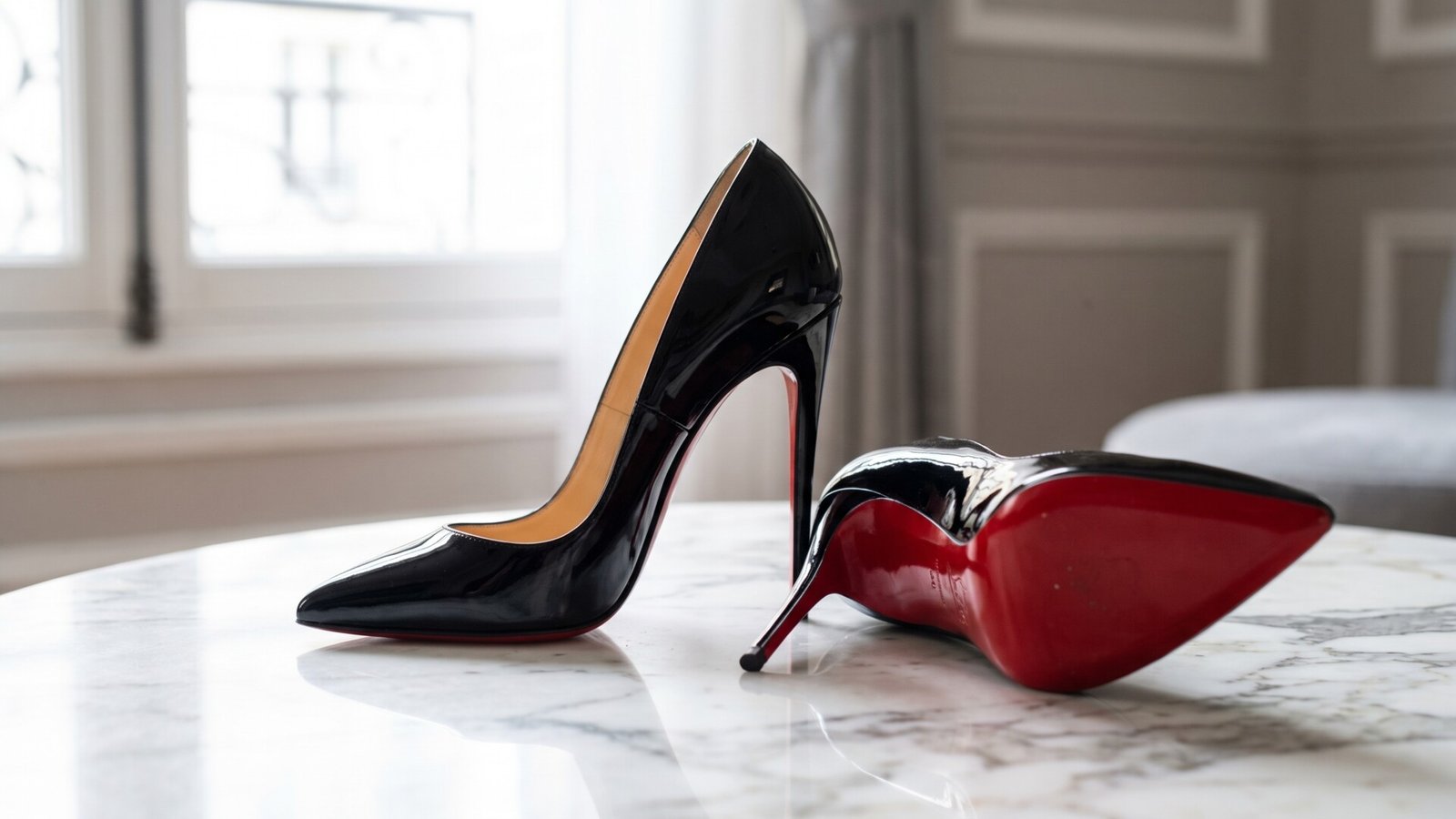
The red sole. It is arguably the most recognizable design signature in modern footwear, a single stroke of lacquer that turns a shoe into a statement. Christian Louboutin has built a global business on that flash of red, and the sole has become a cultural reference point as much as a brand mark.
For a buyer, the question is a practical one: what makes a pair of Louboutins worth the price? Is it the craftsmanship, the resale potential, the cachet, or some mix of all three? And which style should you actually buy?
This guide looks at the maison’s history, its signature styles, real-world wearability, sizing, price and resale, so you can decide whether a pair suits you, whether you are buying a first pair or adding to a collection. To see where Louboutin sits among its peers, browse our guide to French luxury fashion houses and our look at another Paris shoe name, Roger Vivier’s Belle Vivier.
Quick Verdict Summary
Before diving into the details, here is a fast-answer assessment for those weighing a purchase.
Reasons to Buy
- Strong craftsmanship and finish: Louboutin shoes are made with premium materials and careful finishing, and they look and feel expensive.
- Enduring core silhouettes: While some styles are trend-driven, core pumps such as the Pigalle and So Kate have stayed in the line for years.
- Active resale market: Classic styles in neutral colors are widely traded pre-owned, which makes them easier to resell than many fashion items.
Reasons to Avoid
- High price point: The entry cost is substantial and may not match your budget or cost-per-wear expectations.
- Limited comfort for prolonged wear: The extreme silhouettes, particularly 100mm+ heels, are not designed for all-day walking.
- Occasion-specific designs: Some styles suit events rather than everyday life.
Key Takeaway: Louboutin shoes are a purchase in style and status. They offer strong finishing and market presence, but you should weigh your comfort needs and lifestyle before choosing a pair.
Louboutin Signature Styles at a Glance
| Style | Heel heights offered | Character | Best for |
|---|---|---|---|
| Pigalle | 85, 100 and 120 mm | Rounded, shorter toe box, thick heel that does not taper | First pair, office to evening |
| Pigalle Follies | Flat up to 120 mm | Longer, more pointed toe than Pigalle, narrower tapered heel, cushioned insole | Wearers who want a more cushioned pump |
| So Kate | 120 mm | Longest, most pointed toe; steep pitch; thinnest heel | Statement evenings, seated events |
| Kate | 100 mm | Same shape as So Kate with a lower heel | Those who want the So Kate line with less height |
The Legacy of Christian Louboutin
The brand was founded in Paris in 1991. Louboutin’s early fascination with the female form and with showgirls, including a youthful fascination with the Folies Bergère, is part of the house story. He trained and worked for houses including Charles Jourdan and Roger Vivier, where he developed his technical skills before launching his own label.
The brand’s rise is inseparable from the red sole. According to the commonly told story, in 1993 Louboutin was dissatisfied with a prototype and painted the sole with an assistant’s red nail polish, and the contrast stuck. Whether or not every detail of the story is exact, the red lacquered outsole became the signature. It has since been defended in court: a US appeals court in 2012 limited protection to red soles that contrast with the upper, and the EU’s top court in 2018 confirmed that the shape-independent red-sole mark could be protected.
The sole carries cultural weight too. It appears on red carpets, in music videos and in wardrobes of public figures, and it works as a recognition code: unlike a logo on the outside of a bag, the red sole is visible mostly when the shoe is in motion or at rest. It is a quiet-looking signal, but a very recognizable one.
Design Innovation
Louboutin’s design language mixes provocative silhouettes, rich materials and meticulous detailing. The company has expanded into handbags, small leather goods and beauty, but footwear remains the core.
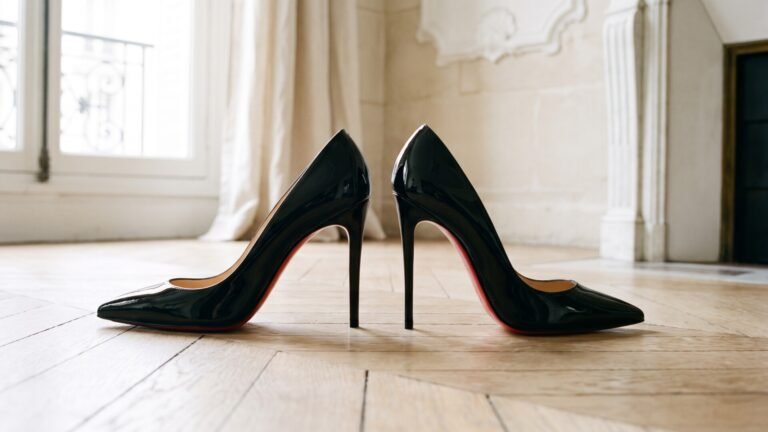
The Pigalle pump, named after the Parisian neighborhood, has a rounded toe and a high stiletto heel in a classic yet daring profile. The So Kate, a more extreme evolution, has a sharply pointed toe, a 120mm heel and a steep pitch designed to elongate the leg. If you are choosing between the lines, start with our Kate vs So Kate comparison.
Beyond the core pumps, Louboutin keeps experimenting with seasonal collections and limited editions, from crystal-covered flats to spiked sneakers such as the Louis Junior Spikes. That experimentation keeps the brand relevant while the red sole ties everything together.
Craftsmanship and Quality
Louboutin’s reputation rests on finishing and materials: calfskin, suede, patent leather and, in some collections, exotic skins, with the red lacquer applied to the outsole. Pairs are largely produced in workshops in Italy, and finishing details such as lining quality and edge work are part of what you pay for. As with all luxury shoes, the exact origin and materials vary by model, so check the product page.
Durability depends on care. The materials can last for years if rotated and maintained, but patent leather scuffs, suede stains and the red lacquer on the sole wears with walking. That is why many owners add a protective sole guard early on.
Practicality and Wearability
This is the most polarizing aspect of owning Louboutins. The high-heel styles are not designed for marathon walking. Extreme angles, especially on styles like the So Kate, place significant pressure on the ball of the foot with minimal arch support. For many, they are shoes for the car-to-table journey, not a day of sightseeing.
Dismissing the brand as uniformly uncomfortable is also a misconception. Comfort varies across the range. Lower heel heights, such as the 85mm Pigalle, and styles with a thicker heel or platform offer far more stability. The brand also makes loafers, flats and sneakers that carry the red sole without the strain.
For a balance of comfort and elegance, look at lower-heeled Pigalle Follies versions (the line is offered from flat up to 120mm) or at crystal-covered flats for evening. Consider your lifestyle and the main occasions you are buying for. If you are on your feet for hours, a lower heel or flat is more sensible; for events where you will be seated or standing briefly, the stilettos are unmatched.
Sizing and Fit
Louboutin lasts are narrow, and fit varies by style. Fashion press and owner reviews commonly suggest going up half a size if you have wider feet or are between sizes, but this depends on the specific model, so try pairs on in a boutique where possible and check the brand’s size guide. Shoes are sized in European sizes, so convert from your usual size rather than guessing.
Other things that help: shop later in the day when feet are slightly larger, walk around on a carpeted surface, and check that the heel does not slip. Cushioned insoles and heel grips can help with fit, but they do not fix a pair that is the wrong size.
Styling Christian Louboutin
A classic black Pigalle can move from a suit at work to a little black dress in the evening. The clean silhouette lets the shoe work with minimal outfits.
- Pumps: The quintessential Louboutin. Pair with tailored trousers, pencil skirts or cocktail dresses.
- Boots: Ankle to knee-high styles add edge to an outfit and pair with jeans, leather leggings or a mini dress.
- Sandals: Suited to warmer months and evening events, worn with flowing dresses or light tailoring.
- Flats and Sneakers: A more casual take on luxury; they lift a jeans-and-tee outfit or a travel look.
If you prefer understated French shoes, compare with Saint Laurent’s best shoes or the sustainable sneaker label Veja.
Pricing and Value of Christian Louboutin
Louboutin’s pricing is part of its positioning. At the time of writing, core pumps in the US sit roughly between $700 and $1,100 depending on style, heel height and material, with embellished, exotic and special editions above that and flats and sneakers across a range of price points. Prices change often and differ by market, so confirm on the brand’s own site.
The value argument rests on durability and resale. With care, a classic pair can last many years, which can make cost per wear reasonable: a $750 pair worn 50 times is about $15 a wear, before maintenance and resoling. Cost per wear only works if you actually wear the shoes, which is why comfort and fit matter more than the label.
Pre-owned Louboutins are widely traded, and well-kept classic pairs typically resell for less than retail but retain a meaningful share. No luxury shoe is a guaranteed investment, so treat resale as a cushion, not a plan. For a broader look at how designer purchases hold value, see our Saint Laurent investment breakdown.
Resale Value Insights
Not all Louboutins resell equally. The factors below matter more than any brand average:
| Style | Resale outlook | Factors |
|---|---|---|
| So Kate | Generally strong | Iconic silhouette; classic colorways in black, nude and red tend to sell quickly. |
| Pigalle | Generally strong | Long-running classic with consistent demand, especially in black and nude. |
| Embellished flats | Moderate | Desirable for occasions, but resale depends heavily on condition and current taste. |
| Spiked sneakers | Moderate | Streetwear appeal is strong, but the market is more trend-sensitive. |
| Seasonal and limited editions | Variable | Can be sought after, but harder to sell if the trend fades. |
The main platforms are The RealReal, Vestiaire Collective and Poshmark. Consignment platforms can be fastest but take commission; peer-to-peer platforms allow negotiation and can return more but require more effort.
To sell well, keep the box and dust bags, photograph the soles, insoles and heel tips, and price against recently sold listings, not asking prices. Replace worn heel tips before listing if you can.
Buying Authentic Louboutins
Buy from the brand’s boutiques and website, authorized department stores, or reputable resale platforms with authentication. Be wary of prices far below the market and of sellers who cannot show clear photos of the insole, outsole and heel. No single detail proves authenticity, and counterfeiters copy red lacquer and logos, so rely on provenance and the seller’s reputation rather than a checklist alone.
Heritage and Brand Philosophy
Louboutin has long said he designs with the female form in mind, treating the shoe as a way to flatter the leg and add confidence. The brand’s identity is glamorous and a little rebellious.
Distribution is relatively controlled: the brand sells through its own boutiques and website and selected department stores and retailers. That controlled availability helps maintain the sense of exclusivity.
Heritage shapes the collections through recurring codes: the red sole, sensual silhouettes and a fondness for theatrical detail. Treat the more romantic parts of the brand story as the house’s own telling, and judge the shoes on fit, finish and wear.
Who Should Buy Christian Louboutin Shoes
Louboutin is not for everyone, which is partly the point.
- The Fashion Enthusiast: Follows trends and appreciates design innovation.
- The Status Seeker: Drawn to the recognizable red sole.
- The Collector: Seeks iconic styles and limited editions.
- The Professional: Needs a polished look for work and events and will invest in shoes that last.
It may not suit someone who prioritizes comfort above all, or who needs one versatile casual shoe. It is also a significant financial commitment that should be considered carefully.
Caring for Louboutin Shoes
Rotate pairs rather than wearing the same ones daily, use shoe trees, store in dust bags away from sunlight, and apply a thin protective sole guard to the red lacquer early. Wipe patent leather with a soft cloth, protect suede with a suitable spray, and have heel tips replaced before the metal shows. A good cobbler can resole and re-lacquer soles, so factor maintenance into the cost.
What Most Buyers Don’t Realize
The hidden advantage: The cost-per-wear argument is the most compelling one. A classic pair that is actually worn for years, then resold, can cost less per wear than cheaper shoes replaced repeatedly.
The hidden drawback: The common belief is that all Louboutins hurt. Extreme heels do, but the range includes more wearable options. The real drawback is upkeep: red soles scuff and delicate materials need care, which first-time buyers often overlook.
The timelessness factor: Core pumps have lasted. Heavily embellished or trend-driven designs may date faster, so core silhouettes are the safer choice for long-term wear.
Future Trends and Market Position
Louboutin’s position in luxury footwear looks secure. The brand has adapted to more casual dressing by expanding flats, loafers and sneakers, and the red sole remains a recognizable status symbol.
The growth of the pre-owned luxury market supports demand for classic pairs. The main challenge is keeping the brand fresh in a crowded luxury market while staying true to its codes.
Recommended Louboutin Investments
If you are ready to buy, these are the styles worth considering. Each is an entry point to the brand with a different priority.
- [Affiliate: Christian Louboutin Pigalle Follies Pumps]: A sensible choice for a first-time buyer, available in several heel heights, including lower ones that are easier to wear than the So Kate.
- [Affiliate: Christian Louboutin So Kate Pumps]: The most dramatic option, with a 120mm heel and sharply pointed toe.
- [Affiliate: Christian Louboutin Follies Strass Flats]: A flat option for those who prioritize comfort, with a decorative finish for evening.
- [Affiliate: Christian Louboutin Anjalina Sandals]: A sandal alternative to the classic pump for warmer months and evenings.
- [Affiliate: Christian Louboutin Louis Spikes Sneakers]: A casual, streetwear-influenced option with the red sole.
Explore more: Christian Louboutin Kate vs So Kate, the Saint Laurent guide, the Dior guide and the Chanel guide.
How to Choose Your First Pair of Louboutins
The most common regret among first-time buyers is choosing the most dramatic style instead of the one they will wear. A simple process helps.
- Start with the occasion. If you want a pair for work and dinners, a black or nude Pigalle at 85 or 100mm is the practical choice. If you want a pair for weddings and parties, a So Kate at 120mm is the more dramatic option.
- Pick a color you will repeat. Black, nude and red are easiest to match with a wardrobe and are the most widely traded pre-owned.
- Choose material by use. Patent leather is glossy and wipes clean but shows scuffs; calfskin is more subdued; suede feels soft but needs protection from rain and stains.
- Try before you commit. Lasts are narrow, so visit a boutique or a department store with a good returns policy.
- Budget for upkeep. A sole guard, heel-tip replacements and an occasional resole are part of the real cost of ownership.
Common Fit Problems and Practical Fixes
High-heeled pumps make a few problems predictable, and most can be managed without giving up the shoe.
- Pressure on the ball of the foot: Lower the heel height or look for a cushioned insole such as the one on the Pigalle Follies. Ball-of-foot pads can help, though they alter the fit.
- Heel slip: This usually means the shoe is slightly too big or the heel cup is too shallow. Heel grips can help, but try a smaller size or a different style first.
- Narrow toe boxes: The pointed So Kate toe suits some feet and not others. If your toes feel crushed, try the rounder Pigalle shape instead of going up a size.
- Tight leather: Calfskin and patent can relax slightly with wear, but a cobbler can stretch a pair a little. This is no substitute for the right size.
Louboutin vs Other Luxury Shoe Brands
| Brand | Signature | Style character | Read more |
|---|---|---|---|
| Christian Louboutin | Red lacquered sole | Sensual, high-arched, glamorous | This guide |
| Saint Laurent | Opyum and Tribute heels | Sharp, black-led, rock-chic | Best Saint Laurent shoes |
| Roger Vivier | Belle Vivier buckle pump | Refined, classic, jewelry-like detail | Belle Vivier guide |
| Veja | V-logo sneakers | Casual, sustainability-led | Veja guide |
If you are weighing French shoemaking against Italian, our sister site has a useful comparison of Italian vs French luxury shoe brands, and a primer on how designer shoes should fit.
Beyond Shoes: The Wider Louboutin World
Louboutin is best known for footwear, but the house has extended into handbags, small leather goods and a beauty line that launched with lip color and extended into nail polish and fragrance. These categories use the same recognizable red as a signature, and they offer a lower-priced way to own something from the brand. For many buyers, a lipstick or accessory is a first step before a first pair of shoes. Product ranges change, so check the brand’s website for what is currently available.
Final Thoughts
Christian Louboutin has earned its place by pairing a clear visual code with a consistent line of pumps people recognize and recommend. The shoes are not for everyone, and they ask for care and patience with fit, but a well-chosen pair worn often can be a satisfying purchase. Choose by how you will actually use them, try before you buy, and keep expectations about resale realistic. For more French maisons worth knowing, return to the full guide.
Frequently Asked Questions About Christian Louboutin
Are Christian Louboutin shoes worth it?
For the right buyer, yes. They offer strong finishing, recognizable design and an active resale market, but they are expensive and the high-heel styles are not built for long walks. Value depends on how often you will actually wear them.
How much do Christian Louboutin shoes cost?
At the time of writing, core pumps cost roughly $700 to $1,100 in the US, with embellished and special editions higher. Prices change often, so check the brand’s site.
Do Christian Louboutin shoes run small?
Many styles fit narrow, and reviewers often suggest going up half a size if you have wider feet or are between sizes. Fit varies by model, so try pairs on or check the brand’s size guide.
What is the difference between Pigalle, Pigalle Follies and So Kate?
The Pigalle has a rounded, shorter toe and thick heel. The Pigalle Follies has a longer toe, a narrower heel and a cushioned insole. The So Kate has the longest, most pointed toe, a 120mm heel and the steepest pitch.
Why do Louboutins have red soles?
According to the commonly told brand story, Louboutin painted a prototype’s sole red in 1993 using nail polish. The red lacquered sole became his signature and is protected as a trademark in several jurisdictions.
How do I care for Christian Louboutin shoes?
Use shoe trees, store pairs in dust bags away from sunlight, rotate pairs, and add a protective sole guard to the red lacquer. Have heel tips replaced before the metal shows and use a cobbler for resoling.
How can I check the resale value of my Louboutins?
Look at sold listings for the same style, size and condition on platforms such as The RealReal, Vestiaire Collective and Poshmark, and price against recent sales rather than asking prices.