Chanel vs Hermès: Investment vs Exclusivity
The debate between Chanel and Hermès has long divided luxury consumers. On one side stands Chanel, the house that Coco built—a brand synonymous with timeless Parisian elegance, quilted leather, and the interlocking CC logo that signals refined taste. On the other sits Hermès, the pinnacle of exclusivity, where a Birkin bag requires not just money but also patience, connections, and often a purchase history that spans years.
Both brands command respect. Both produce items that appreciate in value. But they represent fundamentally different approaches to luxury, and understanding those differences is essential before committing thousands of dollars to either.
This article examines the investment potential and exclusivity of Chanel and Hermès, providing the analysis needed to determine which brand aligns with your priorities. Whether you seek a bag that will hold its value, a piece that signals membership in an exclusive club, or simply a beautiful accessory that will last decades, the choice between these two houses requires careful consideration.
Before proceeding, assess your own priorities. If investment return matters most, one brand clearly outperforms the other. If accessibility and versatility are paramount, the answer shifts. [Internal: Read our Luxury Investment Guide] for a broader framework on evaluating high-end purchases.
Quick Verdict Summary
Chanel Strengths
- Timeless designs that transcend seasonal trends
- High resale value with consistent appreciation on classic models
- Broad product range from handbags to fragrances to ready-to-wear
- More accessible entry points for new luxury buyers
Hermès Strengths
- Rarity of products driven by intentional production limits
- Unmatched craftsmanship with hours of hand-stitching per bag
- Strong investment potential with Birkin and Kelly bags outperforming many traditional assets
- Prestige factor that few other brands can match
Key takeaway: Chanel offers a balance of timelessness and investment opportunity with greater accessibility, while Hermès provides unparalleled exclusivity and potential for significant appreciation—but requires patience, relationship-building, and a higher initial investment.
The Legacy of Chanel
Gabrielle “Coco” Chanel founded her maison in 1910, beginning with hats before expanding into clothing that liberated women from corseted silhouettes. The Chanel suit, the little black dress, and the iconic Chanel No. 5 perfume established the house as a revolutionary force in fashion.
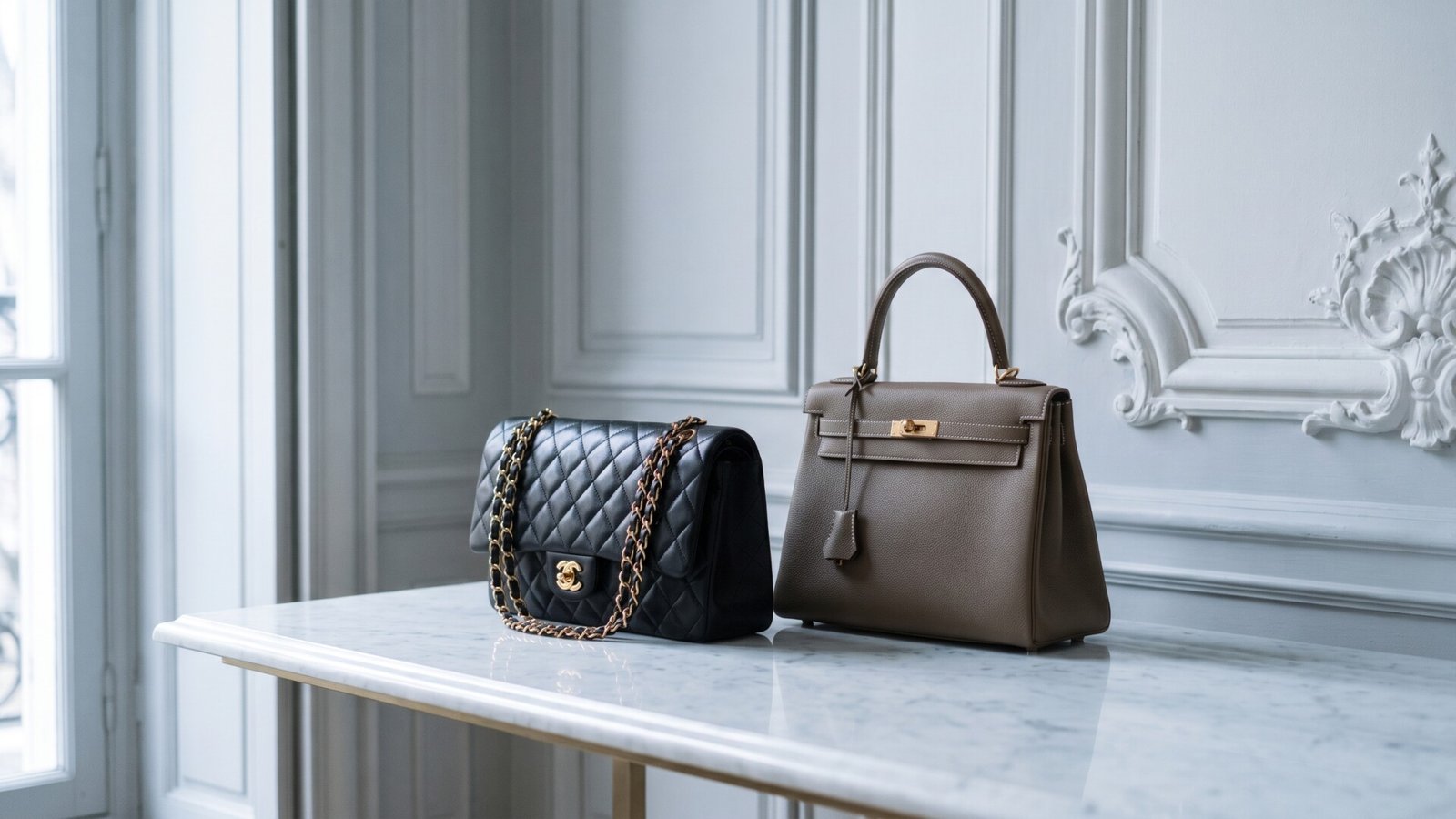
The Chanel 2.55 handbag, introduced in February 1955, remains the brand’s most recognizable accessory. Its quilted leather, chain strap, and rectangular mademoiselle lock created a template that countless designers have since copied. The bag’s name derives from its release date, and its design reflects Chanel’s own preferences: the interior red lining matched the uniforms of her convent school, while the chain strap allowed women to carry their bags hands-free.
Chanel’s cultural impact extends beyond fashion. The brand represents a particular vision of French sophistication—understated but unmistakable, luxurious without shouting. This positioning has allowed Chanel to maintain relevance across generations, from Jackie Kennedy to modern celebrities and influencers.
Under Karl Lagerfeld’s creative direction from 1983 until his death in 2019, Chanel expanded into new categories while preserving its core identity. Virginie Viard has continued this trajectory, maintaining the house codes while introducing subtle evolutions.
The brand’s pricing strategy has shifted dramatically in recent years. Chanel has implemented multiple price increases annually, with some classic flap bags rising over 60% since 2020. These increases have transformed Chanel from a luxury brand into an investment-grade one, though the motivation appears to be brand positioning rather than customer benefit.
The Legacy of Hermès
Hermès began in 1837 as a harness workshop serving European nobility. Thierry Hermès crafted saddles and bridles for horse-drawn carriages, establishing a reputation for meticulous leatherwork that persists nearly two centuries later.
The brand’s evolution from equestrian equipment to handbags occurred gradually. The Hermès Kelly bag, originally called the Sac a depeches, was redesigned in the 1950s and renamed after Grace Kelly used it to shield her pregnancy from paparazzi. The Hermès Birkin bag emerged in 1984 after Jane Birkin complained to then-CEO Jean-Louis Dumas about lacking a practical weekend bag. Dumas designed a bag on the spot, and the Birkin was born.
Both bags share characteristics that define Hermès craftsmanship. Each Birkin requires 18 to 25 hours of work by a single artisan. The saddle stitching, a technique inherited from equestrian traditions, uses two needles and waxed linen thread to create seams that will never unravel. The leather selection process rejects any hide with imperfections, resulting in material costs that exceed those of most competitors.
Hermès maintains strict production limits. The company does not disclose exact numbers, but estimates suggest approximately 70,000 Birkins are produced annually—a fraction of the millions of handbags sold by other luxury houses. This scarcity, combined with quality that justifies the price, has created a secondary market where Birkins routinely sell for two to three times their retail price.
The brand’s positioning as the ultimate luxury status symbol has only strengthened over time. Hermès does not advertise its most desirable products. It does not sell Birkins or Kellys online. It requires in-store relationships, purchase history, and patience. This deliberate opacity reinforces the perception that Hermès products are not merely expensive but genuinely exclusive.
Investment Value of Chanel
Chanel’s investment potential has grown significantly in recent years, driven primarily by aggressive price increases rather than organic demand dynamics. A Chanel Classic Flap Bag in medium size retailed for approximately $4,900 in 2019. The same bag now costs over $8,000. This trajectory has created a perception that buying Chanel is equivalent to investing.
The reality is more nuanced. Resale values for Chanel bags typically range from 60% to 80% of retail, depending on condition, rarity, and model. Classic styles in neutral colors—black, beige, navy—tend to hold value best. Limited editions and seasonal colors often depreciate more significantly unless they become cult favorites.
The Chanel 2.55 Reissue, which directly references the original 1955 design, has proven particularly resilient in the secondary market. Its understated appearance (no visible CC logo) appeals to quiet luxury buyers who prefer subtlety to branding. Vintage 2.55 bags from the 1980s and 1990s have appreciated substantially, though finding authenticated examples requires patience and expertise.
Chanel’s investment case depends on continued price increases and sustained demand. If the brand’s pricing strategy slows, secondary market values could stagnate. The brand also faces competition from newer luxury houses and changing consumer preferences among younger buyers who may prioritize different aesthetics.
For practical investors, the best approach is to buy what you would wear regardless of investment potential. Chanel bags that are used and enjoyed provide value through utility, and any appreciation is a bonus rather than the primary benefit.
Investment Value of Hermès
Hermès occupies a different category entirely. The Birkin and Kelly bags have demonstrated appreciation that rivals or exceeds traditional investments. Studies have shown that Birkin bags have outperformed both the S&P 500 and gold over certain periods, with average annual returns of approximately 14%.
This performance stems from structural scarcity. Hermès deliberately produces fewer bags than the market demands, creating a persistent shortage. The waitlists, purchase requirements, and relationship-building necessary to acquire a Birkin from retail mean that most buyers pay significantly above retail on the secondary market.
A Birkin 30 in Togo leather with palladium hardware retails for approximately $10,000 to $12,000. The same bag on the resale market typically sells for $15,000 to $25,000, depending on color and condition. Rare colors, exotic leathers, and limited editions can command $50,000 or more. The Kelly follows similar patterns, though typically at slightly lower multiples.
The investment case for Hermès is strongest for classic models in standard leathers and neutral colors. Exotic skins like crocodile and alligator offer higher potential returns but also greater risk, as the market for these items is smaller and more volatile. Limited editions and special collaborations can appreciate dramatically but are harder to evaluate.
The key risk for Hermès investors is the resale premium. Paying $20,000 for a bag that retails at $12,000 means the bag must appreciate further before you break even. The market for Hermès has been strong for decades, but past performance does not guarantee future results. Changes in consumer preferences, economic conditions, or brand strategy could affect values.
The Exclusivity Factor of Chanel
Chanel’s exclusivity operates differently from Hermès. The brand maintains a perception of scarcity through limited production runs, selective distribution, and controlled pricing. However, Chanel bags are available to anyone willing to pay the price, provided they visit a boutique or authorized retailer.
The brand’s exclusivity comes primarily from cost. With classic flap bags now exceeding $8,000, Chanel has priced itself beyond the reach of most consumers. This creates a form of exclusivity based on financial access rather than relationship or wait times.
Limited edition Chanel pieces offer a different kind of exclusivity. The brand releases special collections for Metiers d’Art shows, seasonal capsules, and collaborations that are produced in small quantities. These pieces can be difficult to acquire and often appreciate in the secondary market. However, they require knowledge of release schedules and relationships with sales associates to secure.
Chanel’s exclusivity is also geographic. The brand operates fewer than 300 boutiques worldwide, with concentrations in major cities and luxury shopping destinations. This limited distribution means that many buyers must travel to purchase, adding a layer of effort to the acquisition process.
The Exclusivity Factor of Hermès
Hermès exclusivity is legendary and intentional. The brand has built its reputation on being difficult to acquire. This is not a side effect of production constraints but a deliberate strategy that reinforces the perception of rarity.
The process of acquiring a Birkin or Kelly from retail involves several steps. First, you must establish a relationship with a sales associate at a Hermès boutique. This typically requires purchasing other products—scarves, belts, home goods, ready-to-wear—over months or years. The associate then determines when and if you are offered a Birkin or Kelly. The wait can extend from months to years, with no guarantee of success.
This system creates multiple layers of exclusivity. Financial resources alone are insufficient. You need patience, persistence, and social skills to navigate the relationship-building process. The result is that Hermès customers feel they have earned their bags, which increases attachment and brand loyalty.
The production limitations are real. Each Hermès artisan completes only a few bags per month. The leather selection process rejects up to 80% of hides. The company has resisted automation and mass production, maintaining traditional techniques that inherently limit output.
This exclusivity has created a paradox. The secondary market for Hermès is robust precisely because retail acquisition is so difficult. Buyers who cannot or will not navigate the boutique process pay premiums to acquire bags immediately. This premium itself becomes a form of exclusivity, as only those willing to pay significantly above retail can access the brand’s most desirable products.
Craftsmanship and Quality: Chanel vs Hermès
Both brands produce exceptional quality, but their approaches differ significantly.
Chanel sources its leathers from the same tanneries used by other luxury houses. The lambskin used for classic flaps is soft and supple but relatively delicate. Caviar leather, introduced in the 1980s, offers greater durability with a textured finish that resists scratching. The brand’s hardware is substantial and well-made, though not to the same standard as Hermès.
Chanel’s construction methods combine hand and machine work. The quilting is done by machine, while assembly and finishing involve hand techniques. This hybrid approach allows Chanel to produce more bags than Hermès while maintaining acceptable quality.
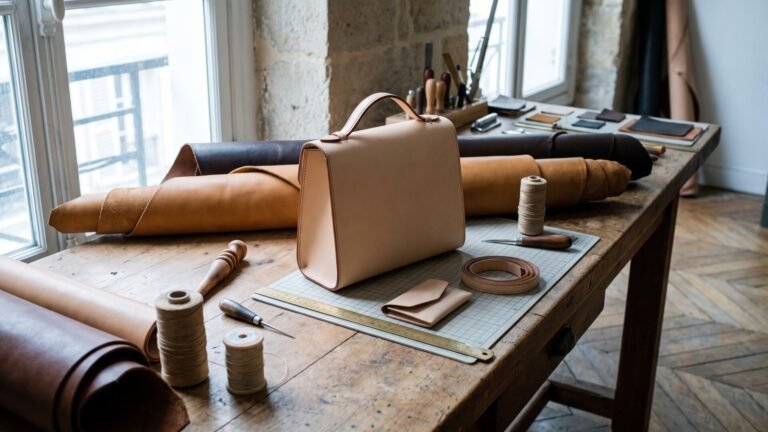
Hermès craftsmanship is in a different league. Each bag is made by a single artisan who completes it from start to finish. The saddle stitching uses two needles and waxed linen thread, creating seams that are stronger than the leather itself. The leather edges are painted and polished by hand, requiring multiple coats and drying periods.
The leather selection process at Hermès is more rigorous than at Chanel. Hides with natural markings, scars, or inconsistent grain are rejected. The company uses only the center portion of each hide, where the leather is strongest and most uniform. This selectivity contributes to the cost but also ensures that every Hermès bag meets exceptional standards.
The practical difference in quality is evident over time. A well-maintained Hermès bag can last decades with minimal visible wear. Chanel bags, particularly those in lambskin, require more careful handling and may show wear more quickly. However, Chanel’s caviar leather offers comparable durability to Hermès’ Togo or Clemence leathers.
Cost-Per-Wear Analysis
Cost-per-wear is a useful framework for evaluating luxury purchases. The calculation is simple: divide the purchase price by the number of times you expect to use the item. A $10,000 bag worn 500 times costs $20 per wear. A $2,000 bag worn 50 times costs $40 per wear.
Chanel bags generally offer lower cost-per-wear because they are more versatile. A black Classic Flap can be worn with jeans and a t-shirt or an evening gown. It transitions from day to night, from work to weekend, from casual to formal. This versatility means you will likely use it more frequently, reducing the per-wear cost.
Hermès bags, particularly the Birkin, are less versatile for daily use. The Birkin is an open tote without a closure, making it less suitable for commuting or travel where security matters. Its size and weight can be cumbersome for everyday errands. Many owners reserve their Birkins for special occasions, which increases the per-wear cost significantly.
However, the investment angle changes this calculation. If a Birkin appreciates in value, the effective cost-per-wear becomes negative—you are paid to use the bag. This is rare but possible for certain Hermès models in desirable configurations.
For most buyers, the cost-per-wear analysis favors Chanel for practical daily use and Hermès for special occasions or investment purposes.
The Market Context for Luxury Investments
The luxury market has experienced significant changes in recent years. Post-pandemic demand, supply chain constraints, and inflation have driven price increases across the sector. Chanel and Hermès have both raised prices substantially, though for different reasons.
Chanel’s price increases appear motivated by brand positioning and margin expansion. The brand has moved aggressively upmarket, pricing out aspirational buyers while reinforcing its status as a top-tier luxury house. This strategy carries risks if demand softens or if consumers perceive the value proposition as diminished.
Hermès price increases are more moderate and reflect actual cost increases for materials and labor. The brand’s pricing power comes from scarcity rather than positioning, which provides more stability. Hermès could likely raise prices further without reducing demand, but the company has historically prioritized long-term brand health over short-term profit maximization.
Economic conditions affect the two brands differently. Chanel, with its broader customer base, is more exposed to economic downturns. If luxury spending contracts, Chanel may need to adjust pricing or distribution. Hermès, with its ultra-high-end customer base and limited production, is more insulated from economic cycles. The wealthiest consumers continue spending regardless of economic conditions.
Future predictions favor Hermès for investment stability. The brand’s scarcity, craftsmanship, and pricing discipline provide a strong foundation. Chanel offers more accessible entry points and greater variety but carries more risk from brand strategy changes and market dynamics.
Buyer Psychology: Who Buys Chanel vs Hermès?
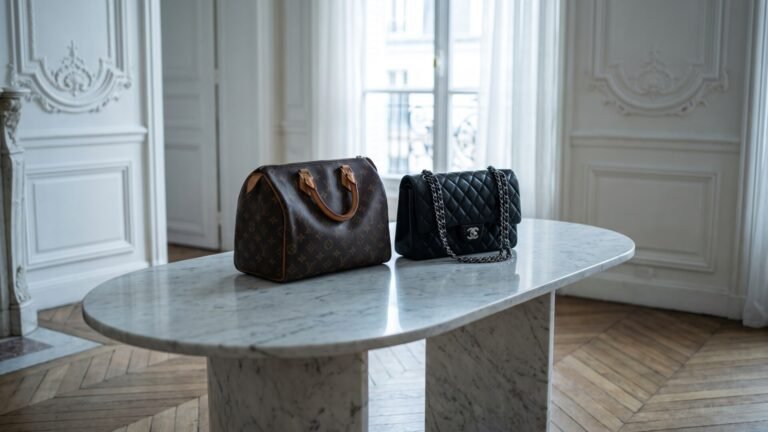
Chanel buyers tend to be fashion-conscious consumers who value recognizable luxury. They appreciate the brand’s heritage and aesthetic but also want their purchases to be identifiable. The CC logo, the quilted pattern, the chain strap—these are signals that communicate taste and status to others who recognize them.
The typical Chanel customer is often a professional woman in her 30s to 50s who has achieved a certain level of financial success. She may own multiple Chanel bags and rotate them based on occasion. She values the brand’s consistency and knows that a Chanel bag will always be appropriate in the right settings.
Hermès buyers are typically more established and less concerned with external validation. The Birkin and Kelly are recognizable to those in the know but appear as simple leather bags to the uninitiated. This subtlety appeals to quiet luxury buyers who prefer their status to be apparent only to a discerning audience.
The Hermès customer is often older, wealthier, and more experienced with luxury goods. She has likely owned bags from other houses before graduating to Hermès. She values the acquisition process itself—the relationship with her sales associate, the anticipation of the offer, the satisfaction of receiving the call.
Psychological motivations differ between the two groups. Chanel buyers seek belonging and recognition within a community of luxury consumers. Hermès buyers seek distinction and membership in an exclusive group. Both motivations are valid, but they lead to different purchasing behaviors and brand relationships.
What Most Buyers Get Wrong
The most common misconception is that all luxury handbags are good investments. This is false. Most luxury bags depreciate immediately after purchase, just like cars. Only specific models from specific brands appreciate, and even then, condition, color, and market timing matter enormously.
Another misconception is that Hermès bags are available to anyone willing to pay. The retail acquisition process is genuinely difficult, and many buyers who attempt it give up after months or years of waiting. The secondary market exists precisely because retail access is so limited.
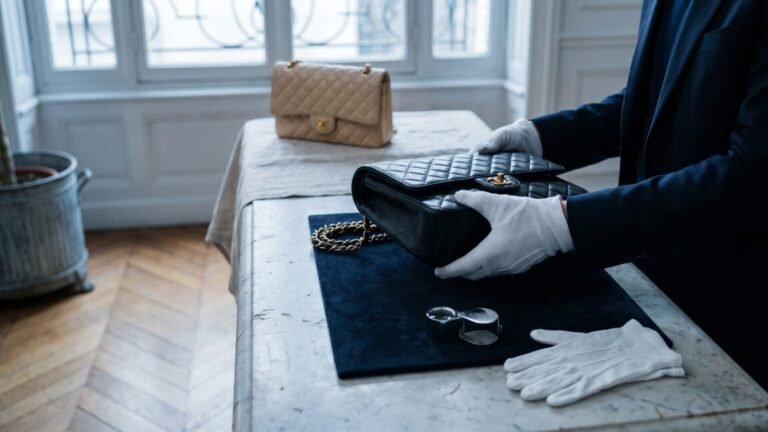
Buyers also overestimate the liquidity of luxury handbags. Selling a Chanel or Hermès bag takes time, effort, and often a significant discount to market price. Consignment shops take 20% to 40% commissions. Private sales require authentication, photography, and negotiation. The process is nothing like selling stocks or bonds.
Finally, many buyers underestimate the cost of ownership. Luxury bags require storage, cleaning, and maintenance. Leather needs conditioning. Hardware needs polishing. Repairs can be expensive and time-consuming. These costs reduce the net return on any investment.
Hidden Advantages and Drawbacks
Hidden advantages of Chanel
- Easier entry point for new luxury buyers
- Greater variety of styles, colors, and materials
- More frequent releases provide ongoing opportunities to acquire
- Strong brand recognition that transcends fashion cycles
Hidden advantages of Hermès
- Superior craftsmanship that justifies the price
- Appreciation potential that few other goods can match
- Exclusivity that provides genuine status signaling
- Durability that allows decades of use with proper care
Hidden drawbacks of Chanel
- Quality inconsistency across different production periods
- Price increases that may outpace value growth
- Counterfeit prevalence that complicates resale
- Fashion risk from seasonal designs that may date
Hidden drawbacks of Hermès
- Acquisition difficulty that frustrates many buyers
- Resale premium that must be overcome for investment returns
- Limited versatility for everyday use
- Relationship requirements that demand ongoing purchases
Frequently Asked Questions About Chanel Vs Hermés
What is the best investment piece from Chanel?
The Chanel 2.55 Reissue in black caviar leather with gold hardware offers the strongest combination of timeless design, durability, and resale value. Classic flap bags in neutral colors also perform well on the secondary market.
How does the resale value of Hermés bags compare to Chanel?
Hermés bags, particularly the Birkin and Kelly, typically retain a higher percentage of retail value and often sell above retail on the secondary market. Chanel bags generally sell at 60-80% of retail, with classic models at the higher end of that range.
Are Chanel products more accessible than Hermés?
Yes. Chanel bags are available to anyone who visits a boutique or authorized retailer and pays the price. Hermés requires relationship-building and patience for its most desirable products.
What factors influence the exclusivity of Hermés items?
Production limits, leather quality standards, artisan availability, and the deliberate relationship-based sales process all contribute to Hermés exclusivity. The brand actively maintains scarcity to preserve its positioning.
How do I determine if a luxury item is a good investment?
Consider brand reputation, model popularity, material quality, condition, and market demand. Classic styles in neutral colors from top-tier brands typically offer the best investment potential. Limited editions and seasonal items carry more risk.
What should I consider when buying luxury items for investment?
Buy what you would use regardless of investment potential. Focus on classic styles in durable materials. Research resale prices before purchasing. Factor in costs of ownership including storage, maintenance, and selling fees.
Do Chanel or Hermés products hold their value better over time?
Hermés products, specifically Birkin and Kelly bags, hold value better and more consistently than Chanel products. However, Chanel has improved its value retention through aggressive price increases in recent years.
Is it worth investing in limited edition Chanel pieces?
Limited edition Chanel pieces can appreciate significantly if they become desirable to collectors. However, they carry higher risk than classic styles and require specialized knowledge to evaluate properly.
How do the craftsmanship and quality differ between the two brands?
Hermés craftsmanship is superior by most measures, with hand-stitching, rigorous material selection, and artisan-made construction. Chanel quality is excellent but uses more machine work and less selective materials. The practical difference is most apparent over decades of use.