Top 5 French Brands for Sustainably Sourced Leather Goods in 2026
The demand for transparency in the luxury industry is no longer a fringe concern; it is a central criterion for the discerning buyer. For the French maisons that have built their reputations on heritage and craftsmanship, the challenge is to reconcile centuries-old traditions with modern environmental imperatives. The result is a new benchmark for quality: leather that is not only beautiful and durable but also verifiably responsible.
This guide evaluates the top five French brands leading this charge in 2026. We have analyzed their sourcing policies, tanning processes, and long-term investment value to provide a clear, actionable verdict for the value-conscious shopper. If you are seeking a piece that marries the quiet luxury of French design with a clear conscience, this is your starting point. [Explore our curated selections of these brands] to invest in stylish and sustainable leather goods.
Quick Verdict Summary
Choosing a brand for sustainably sourced leather often comes down to a trade-off between heritage and innovation. Here is a snapshot of how the top five contenders compare.
| Brand | Key Strength | Sustainability Focus | Best For |
|---|---|---|---|
| Hermès | Unmatched craftsmanship & transparency | Full vertical integration, traceable farms, vegetable-tanning expertise | The ultimate investment piece with documented provenance. |
| Chanel | Rigorous ethical standards | Ban on exotic skins, strict supplier audits, support for regenerative agriculture | The buyer who prioritizes brand ethics and timeless design. |
| Louis Vuitton | Large-scale sustainable initiatives | LVMH-wide certification (LWG), recycled materials, carbon neutrality goals | The buyer who wants a mainstream luxury icon with a verifiable eco-commitment. |
| Longchamp | Accessible price point & durability | B-Corp certification (pending), use of recycled nylon, durable designs | The everyday luxury piece that is both practical and responsible. |
| Celine | Modern minimalism with a sustainable pivot | Hedi Slimane’s focus on quality over quantity, use of LWG-certified tanneries | The minimalist seeking a sleek, understated silhouette with a lower environmental footprint. |
Key Takeaway: Investing in sustainably sourced leather goods is not a compromise on quality. It is an upgrade. These brands prove that the most durable, beautiful pieces are also the most responsible, offering a higher resale value and a clear conscience.
The Rise of Sustainable Leather in Luxury Fashion
Sustainable leather is not a single material but a philosophy of production. It encompasses leather sourced from farms that practice regenerative agriculture, tanned in facilities that minimize water and chemical use, and processed under fair labor conditions. The Leather Working Group (LWG) has become the industry standard, providing a certification that rates tanneries on their environmental performance, from energy consumption to waste management.
The environmental impact of traditional leather production is significant. The cattle industry is a major driver of deforestation, and conventional chrome-tanning processes can release toxic chemicals into waterways. This has led to a paradigm shift. Consumers are no longer satisfied with a brand name alone; they demand to know the origin of the hide and the fate of the effluent.
This shift is most pronounced in the French luxury sector. The “slow fashion” ethos aligns perfectly with the French tradition of savoir-faire. A handbag that is built to last for decades is inherently more sustainable than a dozen fast-fashion alternatives. The top French houses are now formalizing this implicit value, investing in traceability systems that allow a customer to scan a QR code and see the farm where the calf was raised. This is the new standard of luxury: radical transparency.
Hermès
History
Founded in 1837 as a harness workshop, Hermès is the archetype of French luxury. Its heritage is built on the finest materials and an almost obsessive attention to detail. This heritage provides the foundation for its current sustainability efforts.
Sustainable Practices
Hermès operates with a level of vertical integration that is rare in the industry. The brand owns and operates its own tanneries in France, giving it direct control over the sourcing and tanning of its leathers. Their commitment to vegetable-tanning and the use of by-products from the food industry is central to their ethos. They have also invested heavily in regenerative agriculture projects, working with farms to improve soil health and biodiversity. The result is a supply chain that is as transparent as it is exclusive.
Signature Products
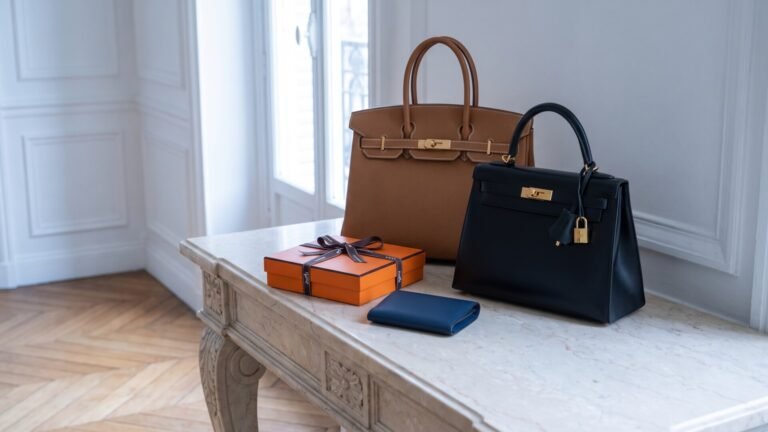
The Birkin and Kelly bags, while iconic, are not the only examples of Hermès’ sustainable craftsmanship. The Constance bag, available in evercolor leather, is a more accessible entry point. For a truly sustainable choice, look for pieces in Barenia leather, a natural, untreated leather that develops a rich patina over time and requires no heavy chemical processing.
Investment Value
Hermès products are the gold standard for resale. A pre-owned Birkin can often sell for more than its retail price, making it one of the few consumer goods that truly appreciates. The brand’s commitment to sustainability only enhances this value, as the provenance and quality are unquestionable. This is not a purchase; it is an asset. Explore the Hermès hub.
Chanel
History
Chanel’s legacy is one of liberation and modernity. Gabrielle Chanel’s introduction of jersey fabric and the iconic 2.55 handbag revolutionized women’s fashion. Today, the house under Virginie Viard continues this legacy with a strong focus on ethical responsibility.
Sustainable Practices
Chanel has taken a firm stance on animal welfare and environmental impact. In 2018, the brand announced a ban on the use of exotic skins (crocodile, snake, lizard) and fur. More importantly, they have implemented a rigorous supplier audit system. Chanel requires all its leather suppliers to meet strict standards regarding animal husbandry, chemical use, and water management. They are also investing in regenerative agriculture and have a dedicated fund for environmental innovation.
Signature Products
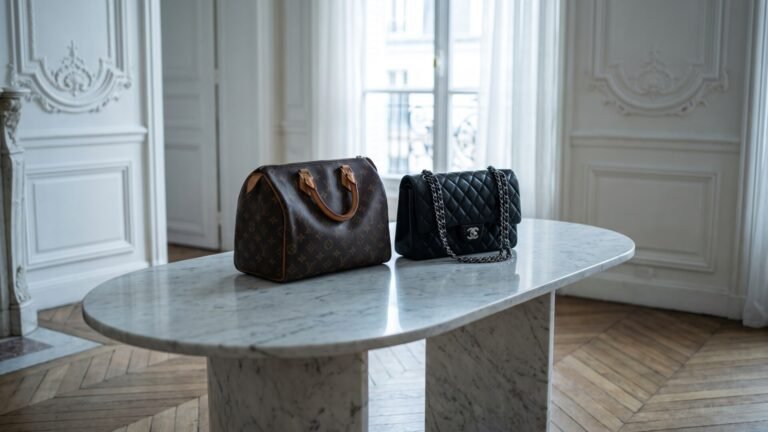
The Classic Flap Bag in lambskin or caviar leather remains the most sought-after piece. For a sustainable choice, look for the 2.55 Reissue, which uses a slightly more structured, aged calfskin that is designed to last. Chanel’s 19 Bag is a more modern, relaxed silhouette that uses plush, high-quality lambskin.
Investment Value
Chanel’s pricing strategy of consistent, significant annual increases makes its bags a strong investment. The resale market for classic Chanel flaps is robust, often retaining 80-90% of their retail value. The brand’s ethical stance adds a layer of desirability for the modern collector. Browse Chanel’s sustainable options.
Louis Vuitton
History
From its origins as a trunk-maker in 1854, Louis Vuitton has evolved into the world’s most valuable luxury brand. Its iconic monogram canvas and LV initials are symbols of status and travel.
Sustainable Practices
As part of the LVMH group, Louis Vuitton operates under the group’s comprehensive sustainability program, LIFE 360. This includes a commitment to sourcing 100% of its leather from LWG-certified tanneries. The brand has also pioneered the use of recycled materials, such as its LV Crafty collection which uses Econyl (regenerated nylon). They are actively working to reduce their carbon footprint and have set science-based targets for emissions reduction.
Signature Products
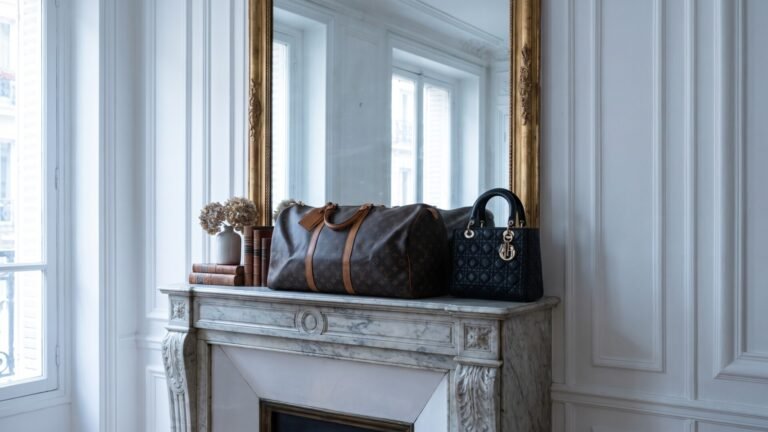
While the classic monogram canvas is coated and not leather, Louis Vuitton’s leather goods are a different story. The Capucines bag, named after the street where the first store opened, is a masterpiece of leather craftsmanship. The Twist bag, with its LV-turn lock, is a modern classic available in a variety of leathers, including LWG-certified options. The Petite Malle is a structured, boxy silhouette that showcases the brand’s exacting standards.
Investment Value
Louis Vuitton has a strong resale market, though not as robust as Hermès or Chanel. Classic models like the Capucines retain value well, while limited-edition pieces can appreciate. The brand’s scale and commitment to sustainability make it a reliable choice for the buyer who wants a globally recognized icon with a verifiable eco-commitment. Explore the Louis Vuitton collection.
Longchamp
Brand History
Longchamp is a family-run house known for its accessible luxury and practical designs. While the Le Pliage nylon tote is their most famous product, their leather goods line represents a significant and growing part of their business.
Sustainable Practices
Longchamp has made a decisive commitment to sustainability. They are on track to achieve B-Corp certification, a rigorous standard that assesses a company’s entire social and environmental performance. Their leather is sourced from LWG-certified tanneries, and they have introduced a Le Pliage Green line made from recycled nylon. They are also a leader in repairability, offering a comprehensive repair service that extends the life of their products.
Signature Products
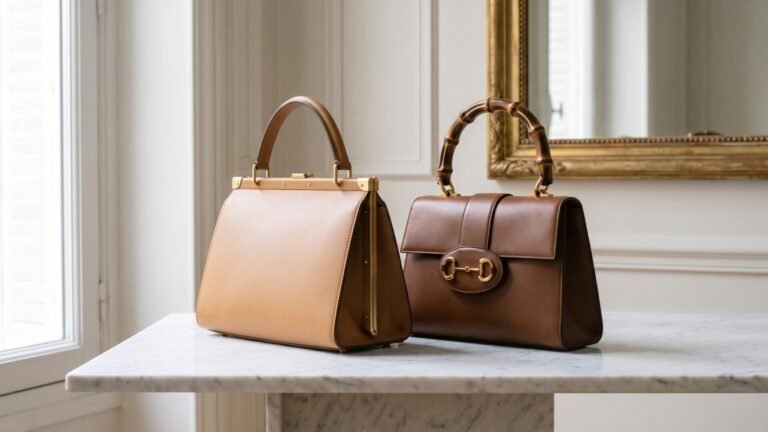
The Le Pliage Cuir is the leather version of the iconic tote. It is lightweight, durable, and available in a wide range of colors. The Roseau line, with its bamboo-inspired clasp, is another classic, offering a more structured silhouette. For a truly sustainable choice, look for the Le Pliage Filet, a reinterpretation of the classic French shopping bag in recycled materials.
Investment Value
Longchamp is an entry-level luxury brand. Its products do not appreciate in value like Hermès or Chanel, but they offer exceptional value for money. A Le Pliage Cuir is a workhorse bag that will last for years with proper care, making it a high-utility, low-risk investment for daily use. [Check out Longchamp’s sustainable options].
Celine
History
Founded in 1945, Celine was originally a made-to-measure children’s shoe brand. Under Hedi Slimane, the house has been redefined as a purveyor of a distinctly Parisian, minimalist, and androgynous aesthetic.
Sustainable Practices
Celine’s approach to sustainability is less overtly marketed than others, but it is deeply embedded in its design philosophy. Hedi Slimane’s focus on quality over quantity means that Celine produces fewer, more focused collections. The brand sources its leather from LWG-certified tanneries and is committed to reducing its environmental footprint. The emphasis is on creating pieces that are timeless and will not go out of style, which is the ultimate form of sustainability.
Signature Products
The Triomphe bag, with its iconic clasp, is a modern classic in smooth calfskin. The 16 bag, inspired by the address of the flagship store on Rue de la Paix, is a structured, elegant silhouette. The Belt Bag (also known as the “Pico”) is a minimalist, unlined bag that is a favorite among those who appreciate quiet luxury.
Investment Value
Celine has a strong and growing resale market. The minimalist aesthetic and high-quality construction ensure that these bags remain desirable for years. While they do not have the same investment potential as the top two, they offer excellent value for a buyer seeking a sleek, understated, and well-made piece. Explore the Celine collection.
Comparative Analysis of the Top 5 Brands
The following table compares these five across four key dimensions: sustainability practices, design philosophy, investment perspective, and consumer appeal. It synthesizes how each brand differentiates itself in areas ranging from regenerative agriculture and ethical sourcing to resale value and target audience.
| Brand | Sustainability Practices | Design Philosophy | Investment Perspective | Consumer Appeal |
|---|---|---|---|---|
| Hermès | Leads with vertical integration and regenerative agriculture projects. | Classic, equestrian, and timeless. | Highest resale value, appreciation potential. | Appeals to the ultra-wealthy collector. |
| Chanel | Most vocal about animal welfare and ethical sourcing. | Iconic, feminine, and structured. | Strong resale, consistent price increases. | Appeals to the classic, brand-conscious woman. |
| Louis Vuitton | Uses its scale to drive industry-wide change through LVMH’s LIFE 360 program. | Modern, logo-driven, and travel-oriented. | Good resale for classics and limited editions. | Appeals to the aspirational, status-driven buyer. |
| Longchamp | Most accessible brand with a clear, measurable B-Corp pathway. | Practical, lightweight, and functional. | Low resale, high utility value. | Appeals to the practical, everyday luxury user. |
| Celine | Focuses on timeless design as its primary sustainability strategy. | Minimalist, androgynous, and understated. | Growing resale market, strong for minimalist pieces. | Appeals to the minimalist, fashion-forward individual. |
Practical Guide for Buyers
Where to Buy
- Official Brand Websites: The most reliable source for new, authentic products.
- Department Stores: Neiman Marcus, Saks Fifth Avenue, and Nordstrom carry these brands.
- Pre-owned Marketplaces: The RealReal, Vestiaire Collective, and Fashionphile for investment pieces.
- Boutiques: Visit the brand’s flagship stores for the full experience.
Tips for Identifying Sustainable Leather
- Look for Certifications: LWG, B-Corp, or other third-party certifications.
- Ask Questions: Inquire about the tannery and its environmental practices.
- Check the Lining: Sustainable brands often use recycled or organic materials for linings.
- Examine the Hardware: High-quality, non-toxic finishes indicate a commitment to quality.
Care and Maintenance
- Store Properly: Use a dust bag and stuff the bag with tissue paper to maintain its shape.
- Clean Regularly: Wipe with a dry, soft cloth. Use a leather conditioner every 6-12 months.
- Avoid Water: Keep your bag away from rain and direct sunlight.
- Repair, Don’t Replace: Use the brand’s repair service for zippers, stitching, or hardware issues.
Frequently Asked Questions About French Sustainably Sourced Leather Goods
What is sustainably sourced leather?
Sustainably sourced leather is leather produced with minimal environmental impact. This includes hides from farms practicing regenerative agriculture, tanned in facilities that are LWG-certified for water and chemical management, and processed under fair labor conditions.
Why should I choose sustainably sourced leather goods?
Choosing sustainably sourced leather supports ethical practices, reduces your carbon footprint, and ensures you are buying a higher-quality product that is built to last. It aligns your purchasing power with your values.
How can I tell if a brand is truly sustainable?
Look for third-party certifications like LWG (Leather Working Group) or B-Corp. Check the brandu2019s website for a detailed sustainability report that outlines their sourcing, tanning, and labor practices. Beware of vague claims like u0022eco-friendlyu0022 without supporting evidence.
What are the benefits of investing in luxury leather goods?
Luxury leather goods from top French brands offer exceptional durability, timeless design, and strong resale value. They are assets that can be enjoyed for decades and often sold for a significant portion of their original price.
Are there any downsides to sustainably sourced leather?
The primary downside is cost. Sustainably sourced leather is more expensive due to the higher production standards. Additionally, some vegetable-tanned leathers may be less water-resistant than chrome-tanned alternatives.
How do sustainable practices affect the price of leather goods?
Sustainable practices increase the cost of production. Ethical sourcing, certified tanneries, and fair labor wages all contribute to a higher final price. This is a premium for quality and responsibility.
Can sustainably sourced leather be as durable as traditional leather?
Yes, and often more so. High-quality, full-grain leather from sustainable sources is exceptionally durable. Properly cared for, it can last a lifetime, outlasting many cheaper, chemically treated alternatives.
How do these brands contribute to environmental initiatives?
Each brand has specific initiatives. Hermu00e8s invests in regenerative agriculture. Chanel funds environmental innovation. Louis Vuitton works on carbon neutrality. Longchamp pursues B-Corp certification. Celine focuses on timeless, low-waste design. —