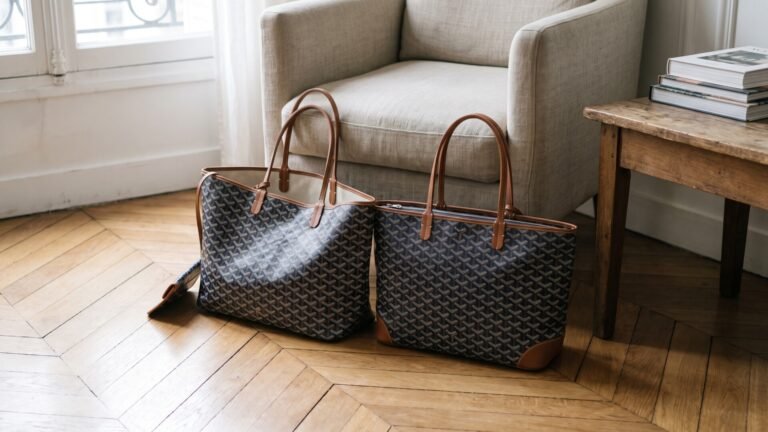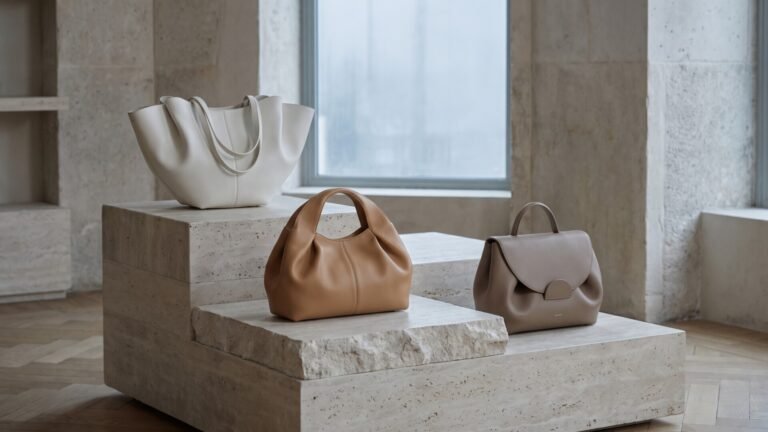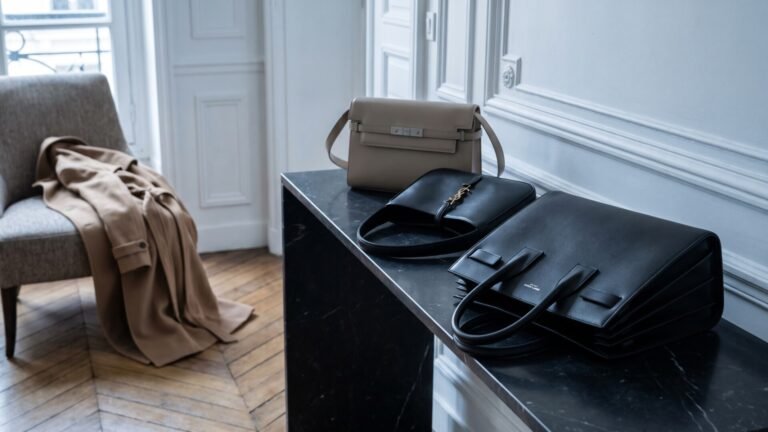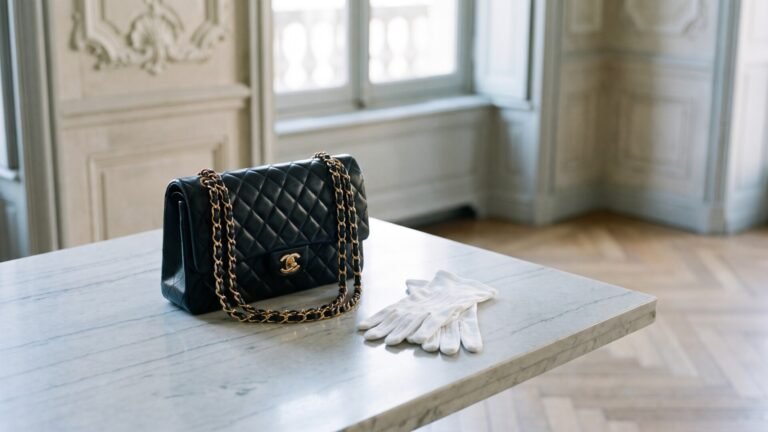
French vs Italian Handbags: Which Luxury Tradition Is Right for You?
Two Countries, Two Definitions of Luxury
If you have ever found yourself choosing between a beautifully understated French handbag and a richly crafted Italian leather bag, you have probably realized this is not just a shopping decision. It is a choice between two different philosophies of style.
I have spent years studying and writing about luxury handbags, and the France versus Italy debate is one of the most common questions I encounter. Women want to know which country makes better bags, which tradition offers superior craftsmanship, and which investment will serve them better over time. These are reasonable questions, but they often miss the larger point.
French luxury emphasizes elegance, restraint, heritage, and timeless sophistication. The French approach to handbag design is architectural, precise, and refined. Italian luxury celebrates craftsmanship, expressive design, artisanal leatherwork, and emotional appeal. The Italian approach is tactile, passionate, and deeply connected to the traditions of leatherworking.
Neither approach is inherently better. They simply speak to different personalities, different wardrobes, and different ways of expressing personal style. The French bag announces itself through its perfection. The Italian bag announces itself through its character.
This guide will help you understand the real differences between French and Italian handbags, which country excels in different categories, which brands are worth considering, and which style better matches your wardrobe and lifestyle.
The best handbag is not determined by where it is made. It is determined by which design philosophy feels most natural to you.
Quick Verdict: French vs Italian Handbags at a Glance
| Category | French | Italian |
|---|---|---|
| Heritage Luxury | Five stars | Four stars |
| Leather Craftsmanship | Four stars | Five stars |
| Quiet Luxury | Five stars | Four stars |
| Bold Design | Three stars | Five stars |
| Everyday Elegance | Five stars | Four stars |
| Artisanal Character | Four stars | Five stars |
| Investment Potential | Five stars | Four stars |
| Variety of Styles | Four stars | Five stars |
Quick Recommendations
Choose French if you love: timeless elegance, structured silhouettes, heritage maisons, quiet luxury, investment pieces
Choose Italian if you love: rich leather, handcrafted artistry, bold personality, contemporary creativity, relaxed sophistication
Think of French handbags as carefully composed architecture, while Italian handbags often feel like handcrafted works of art. Both are exceptional. The better choice depends on what you value most.
The Different Philosophies Behind French and Italian Luxury
The French Approach
French luxury is built on elegance through restraint. The aesthetic is sophisticated but never ostentatious, refined but never showy. The philosophy is rooted in couture heritage, where clothing and accessories are designed to be timeless rather than trendy.
Precision is central to the French approach. Every line, every proportion, every detail is carefully considered. The goal is perfection, the kind that looks effortless because so much effort has gone into achieving it. This is why French handbags often feature structured silhouettes and clean lines. The design is architectural, composed, and deliberate.
French brands emphasize timeless design over seasonal trends. A French handbag is meant to remain relevant for decades, to be passed down through generations, to become an heirloom. This philosophy is reflected in the iconic styles that have remained virtually unchanged for years.
The understated confidence of French design is perhaps its defining characteristic. French luxury does not need to shout. The quality speaks for itself through the materials, the construction, and the refined aesthetic.
Iconic French houses like Hermès, Chanel, Louis Vuitton, Dior, and Saint Laurent embody this approach. The designs are recognizable but never loud, luxurious but never flashy.
The Italian Approach
Italian luxury celebrates craftsmanship in its most expressive form. The philosophy is rooted in regional traditions, family-run leather workshops, and generations of artisanal knowledge passed down through families.
The Italian approach prioritizes expressive design. The bags are often softer, more sculptural, and more creative than their French counterparts. The designs are intended to showcase the beauty of the leather and the skill of the artisan who worked with it.
Passion for materials is central to Italian luxury. Italian tanneries are legendary, producing some of the finest leathers in the world. The leather is celebrated for its natural qualities: its grain, its texture, its rich color. The Italian approach does not hide the natural characteristics of the leather. It showcases them.
The celebration of individuality is another hallmark of Italian design. Italian bags often have more personality, more character, more of a sense that they were made by hand rather than machine. The imperfections become part of the beauty.
Iconic Italian houses like Gucci, Prada, Bottega Veneta, Ferragamo, and Tod’s embody this approach. The designs are creative, expressive, and deeply connected to the traditions of Italian craftsmanship.
This Is Not Really France vs Italy, It Is Paris vs Florence
Most comparisons of French and Italian luxury oversimplify the debate. The truth is more nuanced and more interesting.
Paris became the global capital of fashion houses because of its history as the center of couture and high fashion. The great French fashion houses emerged from the ateliers of Paris, where clothing and accessories were designed for the elite of Europe. This heritage of refinement and precision continues to define French luxury.
Florence, Vicenza, and other regions of northern Italy developed reputations for exceptional leather craftsmanship because of their centuries-old traditions of tanning and leatherworking. The artisans of these regions honed their skills over generations, creating leather goods that were prized for their quality and beauty. This heritage of artisanal craftsmanship continues to define Italian luxury.
Understanding this history provides context that most luxury buyers never encounter. It is not simply that the French and Italians approach design differently. Their different strengths are rooted in different histories, different traditions, and different relationships to the craft of luxury.
Design Philosophy: Elegance vs Expression
French Style
French handbag design is characterized by several consistent elements. The silhouettes are structured and composed, architectural in their precision. The lines are clean, the proportions carefully considered, the overall effect one of refined sophistication.
The hardware on French bags is often iconic but never excessive. The interlocking Cs of Chanel, the horse and carriage of Hermès, the monogram of Louis Vuitton, these are recognizable symbols, but they are integrated into the design rather than dominating it.
French bags are designed to be timeless. The styles that were iconic decades ago remain iconic today. This is intentional. French luxury is not about chasing trends, it is about creating enduring style.
French examples:
The Hermès Kelly features a structured silhouette with clean lines and the brand’s signature hardware. It is the embodiment of French elegance: refined, timeless, and perfectly composed.
The Chanel Classic Flap offers quilted leather and the interlocking CC logo. The design is sophisticated but never flashy, elegant but never pretentious.
The Celine Triomphe features a clean, minimalist silhouette with the brand’s distinctive hardware. The design is architectural, precise, and unmistakably French.
Italian Style
Italian handbag design takes a different approach. The textures are rich and expressive, the construction is often softer and more relaxed, and the details are distinctive and creative.
Italian bags celebrate the beauty of the materials. The leather is allowed to be itself, with its natural grain, its natural texture, its natural character. The designs showcase the leather rather than hiding it.
The creative spirit of Italian design is evident in the distinctive details: bold colors, interesting textures, unexpected shapes. Italian bags have personality. They are not afraid to be noticed.
Italian examples:
The Bottega Veneta Andiamo features the brand’s signature Intrecciato weave, a technique that showcases the beauty of the leather while creating a distinctive, recognizable design. The bag is sophisticated but relaxed, luxurious but approachable.
The Gucci Jackie features a curved silhouette with the brand’s distinctive hardware. The design is bold and distinctive, a statement piece that reflects the Italian approach to expressive luxury.
The Ferragamo Hug offers a clean, contemporary silhouette with the brand’s signature hardware. The design is refined but creative, elegant but distinctive.
Personal Perspective
When I think of French handbags, I imagine building a timeless wardrobe. The French bag is the foundation piece, the one you reach for year after year, the one that works with everything. It does not compete with your outfit. It complements it.
When I think of Italian handbags, I imagine building a collection full of personality. The Italian bag is the statement piece, the one that adds interest to an otherwise simple outfit, the one that expresses your individuality. It does not disappear into your wardrobe. It stands out.
Neither approach is more stylish. They simply tell different stories.
Leather and Craftsmanship: Who Does It Better
French Craftsmanship
French craftsmanship is characterized by precision, consistency, and refinement. The French approach to handbag construction is exacting, with every detail carefully considered and perfectly executed.
French heritage ateliers are the homes of this tradition. The artisans who work in these workshops have been trained for years, often beginning as apprentices and working their way up to master craftspeople. Their skill is evident in the precision of the stitching, the perfection of the finishing, and the overall quality of the bag.
The finishing of French bags is particularly refined. Edges are painted and polished, hardware is carefully matched, and the overall effect is one of meticulous attention to detail.
French examples in craftsmanship:
Hermès produces bags in its own ateliers, where a single artisan works on each bag from beginning to end. This allows for a level of care and attention that is difficult to achieve in more production-oriented environments.
Chanel maintains its own ateliers and has strict quality control standards. The brand’s bags are known for their flawless construction and refined finishing.
Italian Craftsmanship
Italian craftsmanship is characterized by artisanal tradition, regional expertise, and a passion for materials. The Italian approach celebrates the leather itself, allowing its natural characteristics to shine.
The leather tanning traditions of Italy are legendary. Tanners in Tuscany and other regions have been working with leather for centuries, developing techniques that produce some of the most beautiful leathers in the world. This expertise is the foundation of Italian leather goods.
Italian production is often more handmade than its French counterpart. The bags are crafted by artisans who have spent their lives working with leather, and the handmade quality is evident in the character of each piece.
Italian examples in craftsmanship:
Bottega Veneta’s Intrecciato weave is a testament to Italian craftsmanship. Each bag is made from strips of leather that are woven together by hand, a time-intensive process that requires exceptional skill.
Gucci maintains its own leather workshops and continues to invest in artisanal training. The brand’s bags are known for their rich leathers and distinctive designs.
The Biggest Myth About French and Italian Leather
There is a common belief that Italian leather is always better than French leather. This is not true.
Leather quality depends on the tannery, not the country. Both France and Italy have exceptional tanneries, and both countries produce leather of varying quality. The reputation of Italian leather is well-deserved, but it is a generalization that does not always hold true.
French brands frequently source leather from Italian tanneries. The same Italian tanneries that supply Italian brands also supply French brands. Some of the leather used in Hermès and Chanel bags comes from Italy.
Italian brands sometimes use French leathers. The relationship between the two countries in the leather industry is collaborative, not competitive.
The key lesson is this: judge the leather by its quality, not its origin. A well-tanned hide from Italy is exceptional. A well-tanned hide from France is also exceptional. The origin matters less than the craftsmanship.
The Most Iconic French vs Italian Handbag Brands
French Icons
Hermès: The ultimate in French luxury, known for the Birkin, Kelly, and Constance. Hermès represents the pinnacle of craftsmanship, heritage, and investment value.
Chanel: The epitome of French elegance, known for the Classic Flap and 2.55. Chanel represents timeless sophistication and enduring desirability.
Louis Vuitton: The leader in heritage luxury travel goods, known for the Neverfull, Speedy, and Capucines. Louis Vuitton represents practical elegance and versatile style.
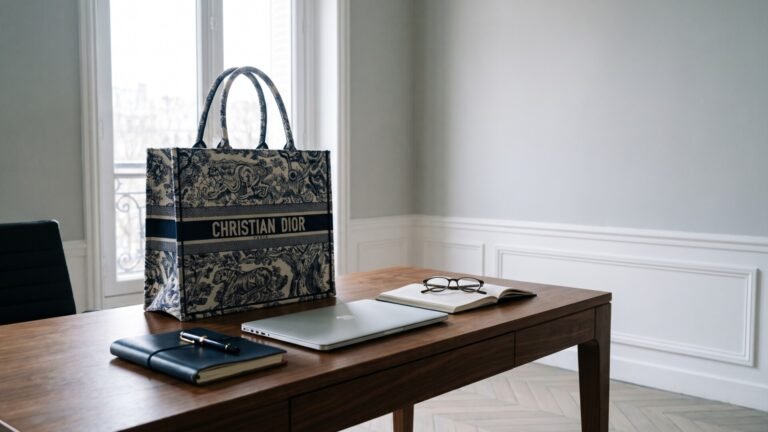
Dior: The height of feminine sophistication, known for the Lady Dior and Book Tote. Dior represents couture elegance and refined femininity.
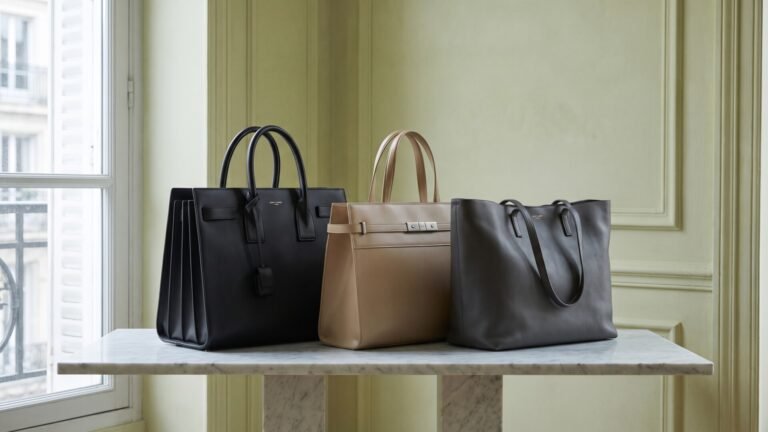
Saint Laurent: The embodiment of modern Parisian style, known for the Sac de Jour and LouLou. Saint Laurent represents sleek sophistication with a contemporary edge.
Polène: The rising star of French contemporary luxury, known for sculptural design and quiet luxury at accessible prices.
Longchamp: The icon of practical French elegance, known for the Le Pliage. Longchamp represents functional luxury and everyday wearability.
Lancel: The underappreciated heritage house, known for the Premier Flirt. Lancel represents traditional craftsmanship without the spotlight.
APC: The pioneer of French minimalism, known for the Demi-Lune and Grace. APC represents understated elegance and timeless design.
Italian Icons
Gucci: The leader in expressive Italian luxury, known for the Jackie and Bamboo bags. Gucci represents bold design and creative craftsmanship.
Prada: The innovator of Italian minimalism, known for the Galleria and Re-Edition. Prada represents intellectual luxury and contemporary design.
Bottega Veneta: The master of Italian leather craftsmanship, known for the Andiamo and Cassette. Bottega Veneta represents quiet luxury through exceptional materials and technique.
Ferragamo: The heritage of Italian craftsmanship, known for the Hug and Studio. Ferragamo represents refined luxury and artisanal tradition.
Tod’s: The leader in Italian relaxed luxury, known for the Di Bag and Tote. Tod’s represents effortless elegance and everyday sophistication.
Valextra: The quiet Italian icon, known for the Iside and Milano. Valextra represents architectural design and refined craftsmanship.
Furla: The accessible Italian luxury, known for the Metropolis and 1927. Furla represents quality Italian craftsmanship at approachable prices.
Etro: The creative Italian luxury, known for the Paisley and Vela. Etro represents artistic design and distinctive prints.
What Your Favorite Brand Says About Your Style
The brands you are drawn to reveal something about your personal style.
Someone drawn to Hermès often appreciates timeless refinement. They value heritage, craftsmanship, and investment quality. They prefer their luxury quiet and enduring.
Someone drawn to Chanel often appreciates classic elegance. They value sophistication, femininity, and enduring style. They prefer their luxury polished and refined.
Someone drawn to Bottega Veneta often values craftsmanship without obvious logos. They appreciate exceptional materials and technique over visible branding. They prefer their luxury subtle and tactile.
Someone drawn to Gucci often appreciates bold creativity. They value expressive design and distinctive style. They prefer their luxury noticeable and individual.
Someone drawn to Longchamp often values practical luxury. They appreciate functionality and everyday wearability. They prefer their luxury accessible and useful.
Someone drawn to Prada often appreciates intellectual design. They value innovation and contemporary style. They prefer their luxury thoughtful and distinctive.
Which Country Makes the Better Everyday Handbag
For Work
French choice: Longchamp Le Pliage or APC Genève
The French approach to work bags emphasizes polish and professionalism. Longchamp offers practical elegance that works in any office. APC offers minimalist sophistication that is both refined and approachable.
Italian choice: Tod’s Di Bag or Ferragamo Studio
The Italian approach to work bags emphasizes craftsmanship and character. Tod’s offers relaxed elegance that feels professional without being stuffy. Ferragamo offers refined craftsmanship with a distinctive personality.
Verdict: French for formal, conservative offices. Italian for creative, expressive environments.
For Travel
French choice: Longchamp Le Pliage Travel or Louis Vuitton Neverfull
French travel bags emphasize practicality and timeless style. Longchamp offers lightweight, packable convenience. Louis Vuitton offers durable canvas that withstands the rigors of travel.
Italian choice: Bottega Veneta Cassette or Tod’s Tote
Italian travel bags emphasize craftsmanship and character. Bottega Veneta offers distinctive style that elevates any travel outfit. Tod’s offers relaxed sophistication that works for any journey.
Verdict: French for maximum practicality. Italian for maximum style.
For Weekends
French choice: Polène Cyme or APC Demi-Lune
French weekend bags emphasize effortless elegance. Polène offers sculptural design that feels special yet comfortable. APC offers minimal sophistication that works with any casual outfit.
Italian choice: Gucci Jackie or Etro Vela
Italian weekend bags emphasize expressive style. Gucci offers bold sophistication that makes a statement. Etro offers creative design that adds character to any weekend wardrobe.
Verdict: French for understated weekends. Italian for expressive weekends.
For Evenings
French choice: Chanel Classic Flap or Saint Laurent Sac de Jour
French evening bags emphasize timeless elegance. Chanel offers iconic sophistication that never goes out of style. Saint Laurent offers sleek minimalism that works for any evening occasion.
Italian choice: Bottega Veneta Andiamo or Ferragamo Hug
Italian evening bags emphasize distinctive character. Bottega Veneta offers refined craftsmanship with an understated edge. Ferragamo offers creative design with Italian personality.
Verdict: French for classic elegance. Italian for distinctive style.
Personal Recommendation
If you are buying your very first luxury handbag, think about how you will actually use it. A beautiful bag that is too precious or too bold for everyday life rarely becomes your favorite.
The best everyday bag is the one you reach for without thinking. It works with your wardrobe. It fits your lifestyle. It does not require special treatment or careful handling. It simply supports your life.
For most women, that means a practical French bag like Longchamp’s Le Pliage or APC’s Demi-Lune, or a versatile Italian bag like Tod’s Di Bag or Bottega Veneta’s Cassette. The choice depends on whether you prefer French precision or Italian character.
Investment Value and Resale Market
French Strengths
French luxury brands generally perform better on the resale market. The heritage and prestige of brands like Hermès and Chanel create strong demand that supports high resale values.
Hermès: The leader in investment value. Birkin and Kelly bags often appreciate in value, particularly in rare colors and sizes. The brand’s limited production and strict distribution create scarcity that supports prices.
Chanel: The second strongest performer. Classic Flap and 2.55 bags hold their value well and sometimes appreciate. The brand’s regular price increases support the secondary market.
Louis Vuitton: The most accessible resale brand. Monogram canvas bags retain value well, particularly classic styles like the Speedy and Neverfull. Limited editions and collaborations can perform even better.
Italian Strengths
Italian luxury brands generally have weaker resale value than their French counterparts, though some brands and styles perform better than others.
Gucci: The strongest Italian brand for resale. Iconic styles like the Jackie and Bamboo hold value relatively well. Vintage Gucci has a dedicated following.
Bottega Veneta: Growing in resale value. The brand’s quieter approach appeals to collectors, and certain styles perform well on the secondary market.
Prada: Consistent performer. Classic styles like the Galleria hold value reasonably well. The brand’s commercial reach supports a stable secondary market.
Resale Value Is Not the Same as Ownership Value
There is an important distinction to understand. Some bags appreciate financially. Others become incredibly valuable because you carry them hundreds of times.
A bag that appreciates in price is valuable in a financial sense. You can sell it for more than you paid, or at least recoup your investment. This is attractive for those who view luxury as an asset class.
A bag that you carry hundreds of times is valuable in an ownership sense. The cost-per-wear is low. The bag has been part of your life, part of your memories, part of your story. This is valuable in a different way.
Consider the cost-per-wear versus resale value matrix. A bag that costs two thousand dollars and is carried five hundred times costs four dollars per wear. A bag that costs five thousand dollars and is carried one hundred times costs fifty dollars per wear. The cheaper bag may be more valuable in real terms.
A bag that appreciates financially is a good investment. A bag that you love and use every day is an even better investment in your daily life.
Which Country Better Fits Your Personal Style
Choose French If
You wear tailored clothing. French bags complement structured, polished outfits. The clean lines and refined silhouettes work with tailored pieces.
You prefer timeless pieces. French bags are designed to remain relevant for decades. They do not chase trends or rely on seasonal gimmicks.
You build capsule wardrobes. French bags are foundational pieces that work with everything. They do not compete with your outfits. They complement them.
You love quiet luxury. French bags communicate quality through materials and construction rather than visible branding. They are luxurious without being ostentatious.
Choose Italian If
You enjoy expressive fashion. Italian bags complement more creative, individual outfits. The distinctive designs add personality and character.
You mix textures. Italian bags showcase beautiful leathers and rich textures. They work well with textured fabrics and layered looks.
You appreciate artisan craftsmanship. Italian bags celebrate the skill of the artisan. The handmade quality adds character and personality.
You embrace bold accessories. Italian bags are not afraid to make a statement. They add interest and personality to any outfit.
The Luxury Personality Test
Imagine you are building a wardrobe. You have a generous budget and no time constraints.
Do you start with classic, timeless pieces that will serve you for decades? Do you choose items that work with everything, that never go out of style, that are perfect in their proportions and quality? If this sounds like you, you are probably drawn to French luxury.
Or do you start with pieces that express your individuality, that showcase beautiful materials and craftsmanship, that have personality and character? Do you choose items that make you smile when you see them, that feel special every time you wear them? If this sounds like you, you are probably drawn to Italian luxury.
Neither approach is right or wrong. They simply reflect different priorities. French luxury prioritizes timelessness and perfection. Italian luxury prioritizes individuality and expression.
Most luxury lovers eventually appreciate both. The French bag for quiet elegance. The Italian bag for expressive character.
The Future of French and Italian Luxury
French Trends
French brands are increasingly emphasizing their heritage and investment value. The quiet luxury movement has benefited French brands that have always prioritized understated elegance over flashy logos.
Heritage remains central to French luxury. The long histories of houses like Hermès and Chanel are a source of prestige that competitors cannot replicate.
Investment potential continues to drive demand for French brands. As consumers view luxury as an asset class, brands with strong resale values become more attractive.
Italian Trends
Italian brands are embracing sustainability and independent craftsmanship. The artisanal traditions of Italian leatherworking align well with growing consumer interest in responsible production.
Creative innovation remains central to Italian luxury. Brands like Bottega Veneta and Gucci continue to push boundaries, creating designs that feel fresh and contemporary.
Regional heritage is becoming more valuable. The specific traditions of Florentine and Tuscan leatherworking are a source of authenticity that mass-produced luxury cannot replicate.
Why the Future May Belong to Brands That Blend Both Traditions
The most exciting luxury brands are increasingly blending French refinement with Italian craftsmanship.
French brands that source leather from Italian tanneries. Italian brands that adopt French precision in construction. Contemporary brands that draw inspiration from both traditions.
Modern luxury buyers appreciate both French elegance and Italian craftsmanship. They want the structure and timelessness of French design with the rich leather and tactile beauty of Italian production.
The future of luxury may not be about choosing between France and Italy. It may be about appreciating the best of both.
Final Verdict: Should You Choose a French or Italian Handbag
Choose French If
You want timeless elegance that will remain relevant for decades. You prefer structured silhouettes with clean lines and refined proportions. You value heritage maisons with centuries of history. You love quiet luxury that communicates quality through materials and construction. You view handbags as investment pieces that should hold or appreciate in value.
Choose Italian If
You value artisanal leather that showcases the beauty of the material. You prefer expressive design that adds personality and character. You appreciate bags that are made by hand, with the subtle imperfections that demonstrate craftsmanship. You enjoy bags that make a statement and add interest to your outfits. You prioritize tactile beauty and emotional connection over investment value.
Final Personal Take
If I could only own handbags from one country, I would struggle to choose. That is probably the biggest compliment either tradition can receive.
For investment pieces and enduring icons, I would lean toward France. Hermès, Chanel, and Louis Vuitton have proven their value over decades, and their bags are timeless in a way that few others can match.
For rich leather, tactile beauty, and everyday character, I would happily turn to Italy. Bottega Veneta, Gucci, and Tod’s create bags that feel alive, that have personality, that become more beautiful with use.
The real answer is not choosing one over the other. It is understanding which philosophy feels more like you. It is recognizing that a truly thoughtful handbag collection often includes both, the French bag for quiet elegance and the Italian bag for expressive character.
French and Italian handbags are not competitors. They are complementary expressions of luxury, each offering something the other cannot. The question is not which is better. The question is which belongs in your life.
Frequently Asked Questions About French Vs Italian Handbags
Are French handbags better than Italian handbags?
Neither is inherently better. French handbags emphasize elegance, restraint, and timeless sophistication. Italian handbags emphasize craftsmanship, expressive design, and artisanal leatherwork. The better choice depends on your personal style and preferences.
Is French leather better than Italian leather?
Leather quality depends on the tannery, not the country. Both France and Italy have exceptional tanneries. French brands frequently source leather from Italian tanneries, and Italian brands sometimes use French leather. Judge the leather by its quality, not its origin.
Which luxury handbags hold their value best?
French brands generally perform better on the resale market. Hermès and Chanel are the strongest performers, with certain styles appreciating in value. Louis Vuitton also holds value well. Italian brands like Gucci and Bottega Veneta perform reasonably well but generally lag behind their French counterparts.
Why are Italian leather bags so famous?
Italian leather is famous because of centuries-old tanning traditions, particularly in regions like Tuscany. Italian tanneries have developed techniques that produce exceptionally beautiful and durable leather. The reputation is well-deserved, though it is a generalization that does not always hold true.
Which country makes the best everyday handbags?
Both countries make exceptional everyday handbags. French brands like Longchamp and APC offer practical elegance and timeless style. Italian brands like Tod’s and Bottega Veneta offer craftsmanship and character. The best choice depends on whether you prefer French precision or Italian personality.
Are French handbags more timeless?
Generally, yes. French handbag design emphasizes timelessness and enduring style. The classic styles from Hermès, Chanel, and Louis Vuitton have remained virtually unchanged for decades and remain as relevant today as when they were introduced.
Which brands represent the best value?
French brands like Polène and Longchamp offer exceptional quality at accessible prices. Italian brands like Furla and Tod’s also offer strong value. The best value depends on what you prioritize: French precision or Italian character.
Should I buy French or Italian for my first luxury bag?
Consider how you will use the bag. For a versatile everyday bag that works with everything, consider a French option like Longchamp’s Le Pliage or APC’s Demi-Lune. For a bag with more character and personality, consider an Italian option like Tod’s Di Bag or Bottega Veneta’s Cassette. The right choice is the one that fits your lifestyle and personal style.