Is the Polène ‘Moka’ Suede the Most Durable Color Choice for 2026?
The Rise of Suede in Quiet Luxury
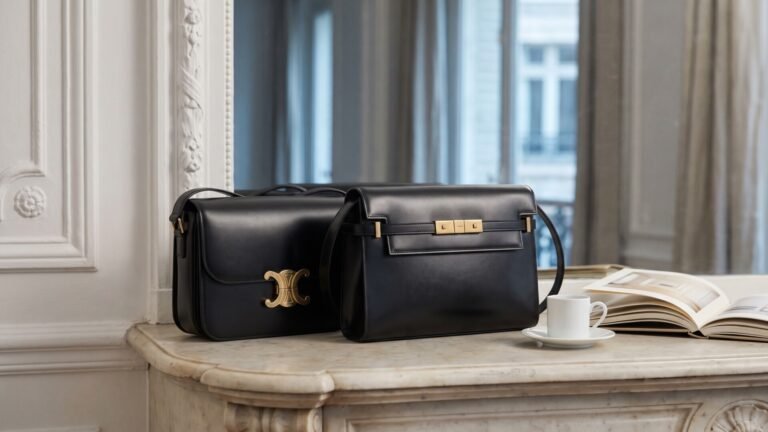
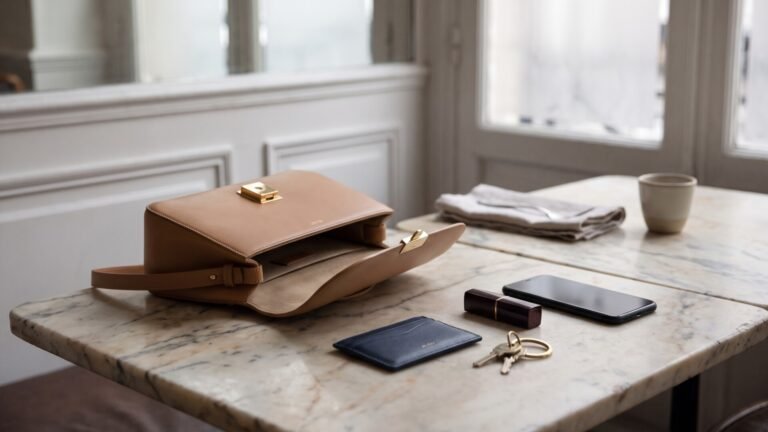
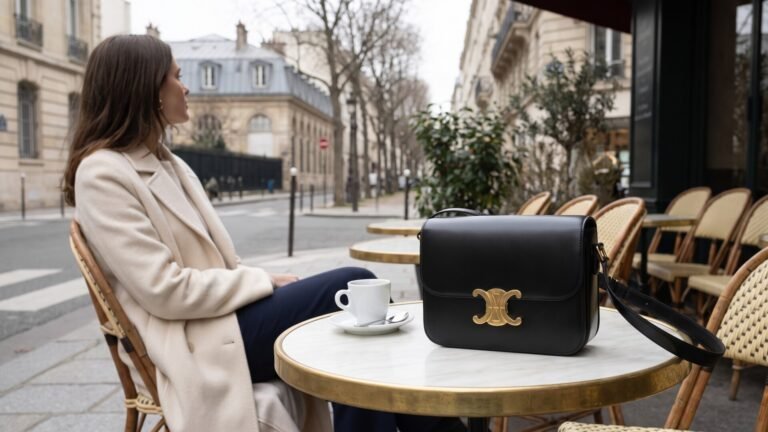
For the past several years, the quiet luxury aesthetic has been dominated by smooth, unadorned leathers in neutral palettes. Think of the clean lines of a Polène Numéro Dix in textured black or the structured silhouette of a Celine 16 in smooth calfskin. This has been the uniform of the discreetly wealthy. But as we move through 2026, a subtle yet significant shift is occurring. We are witnessing the rise of “soft luxury”—a movement that prioritizes tactility, warmth, and a sense of lived-in elegance. At the forefront of this textural revolution is suede.
This season, suede has shed its reputation as a delicate, high-maintenance novelty and has re-emerged as a core material for the modern fashion enthusiast. Its resurgence is being fueled by the seasonal cycles of autumn and winter, where its rich, velvety finish feels perfectly in sync with the cooler months. Platforms like TikTok and Pinterest are driving this trend, with “texture-driven fashion” becoming a dominant search term. Fashion lovers are seeking pieces that are not just visually appealing but also deeply satisfying to touch.
No brand is better positioned to lead this charge than Polène. As a leader in modern quiet luxury, Polène has built its reputation on sculptural forms and full-grain Italian leathers. Now, the brand is embracing suede with its signature Moka colorway, creating a new debate among its devoted following.
This brings us to the core question of this guide. The Polène Moka suede is undeniably beautiful, a rich chocolate brown that exudes understated opulence. But is it a practical, long-term investment, or is it simply a fleeting, high-maintenance affair? Can a suede bag really stand up to the rigors of daily life in 2026, or is it destined to remain a pristine closet queen?
[Explore Polène’s suede and leather collections before seasonal sellouts.]
What Is the Polène “Moka” Suede Color?
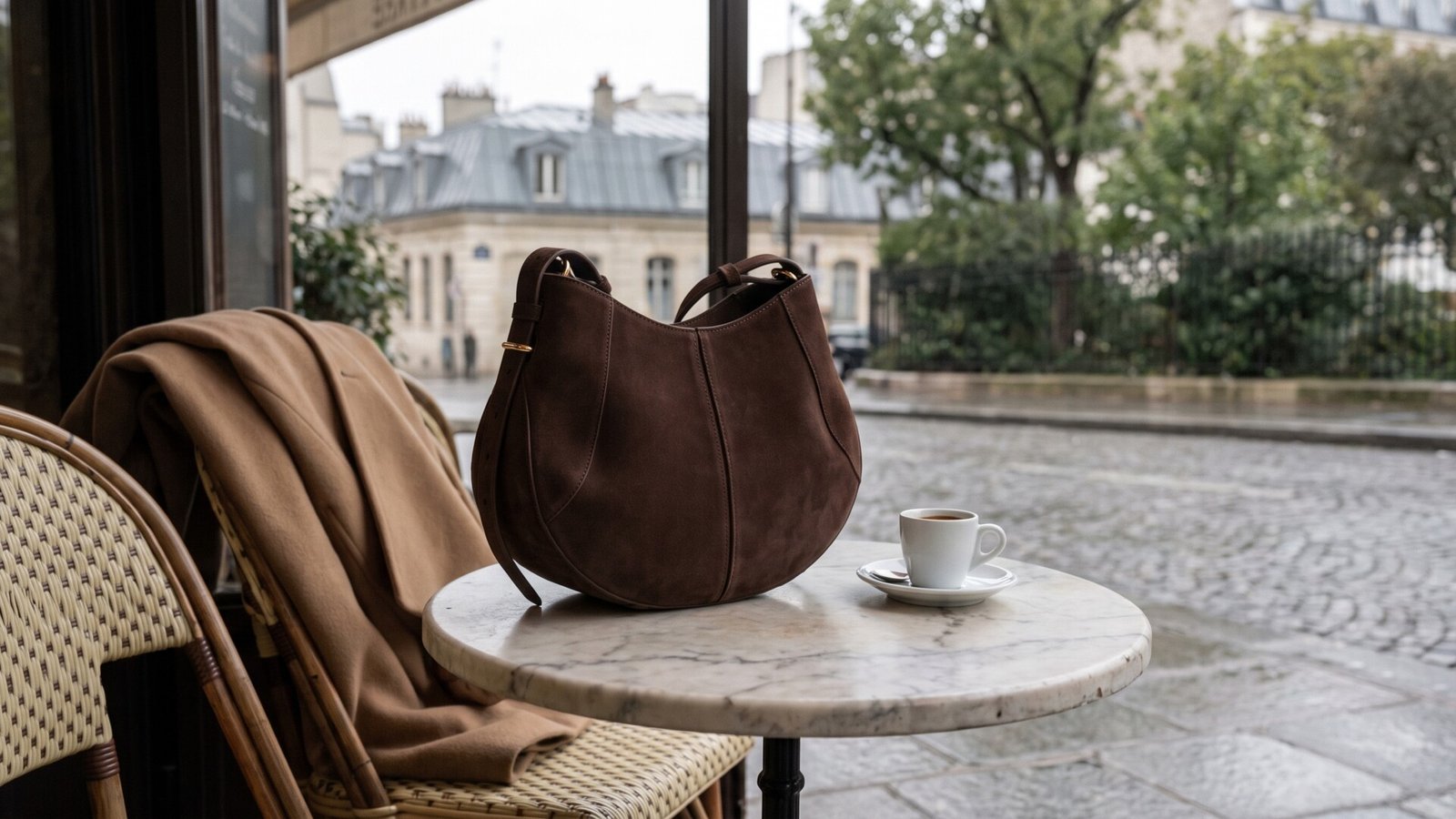
Before we dive into durability, we must first define the hue at the center of this discussion. “Moka” is Polène’s name for a warm, deep brown tone, reminiscent of rich coffee or a dark chocolate truffle. It is a shade that sits perfectly within the quiet luxury palette—more elegant and sophisticated than stark black in many styling contexts, yet softer and more inviting than structured, dark leathers. Unlike a stark, flat black, Moka has an inherent depth and warmth that catches the light beautifully on the velvety surface of suede.
The popularity of Moka is no accident. It aligns perfectly with the current trend towards “seasonal neutrals.” While beige and taupe are often associated with spring and summer, Moka is the definitive autumn/winter neutral. It works across seasonal wardrobes, pairing effortlessly with everything from cream cashmere to olive green field jackets. It is a color that feels both timeless and incredibly current for 2026.
Suede vs. Smooth Leather: Durability Fundamentals
To understand whether Moka suede is a durable choice, we must first look at the inherent nature of the material itself. The difference between suede and full-grain leather is not just aesthetic; it’s a fundamental difference in structure.
- Suede Properties: Suede is created from the underside of an animal hide, giving it a soft, napped surface. This open, porous structure is what gives it its beautiful velvety feel. However, this same porosity makes it more susceptible to moisture, oils, stains, and friction. It is, by its very nature, a more delicate material.
- Smooth Leather Properties: In contrast, traditional smooth leather (often referred to as “top-grain” or “full-grain” calfskin) has a sealed outer surface. This natural grain protects it from external elements, making it inherently more water-resistant and less prone to absorbing stains. It is also far easier to clean; a simple wipe is often sufficient to remove dust or light marks.
The Core Takeaway: This is an aesthetic-first versus durability-first trade-off. Suede is chosen for its soft, luxurious texture and its ability to showcase color and warmth in a way that smooth leather cannot. However, you are trading that beauty for a material that is less resistant to the wear and tear of daily life.
Polène Suede Craftsmanship Overview
Understanding how Polène builds its suede bags is the final piece of the puzzle before assessing durability. Polène is known for engineering its bags with a reinforced inner structure, and this approach extends to its suede pieces. The “Moka” suede you see and feel is not just a fragile outer shell. It is a high-grade calf suede sourced from certified European tanneries, just like its smooth leather counterparts.
This suede is carefully bonded and stitched onto a reinforced core that gives the bag its signature sculptural shape. Whether it’s the soft drape of the Numéro Neuf Mini or the architectural structure of the Numéro Dix, the suede is supported by an internal framework that prevents slouching and stretching. This construction method is a key differentiator from “fast fashion” suede bags, which often lack this internal reinforcement, leading to rapid collapse. Polène suede is not fragile fashion suede—it is partially reinforced luxury suede, designed to withstand normal use while retaining its beautiful aesthetic.
Real-World Durability of Moka Suede
So, how does the theory of suede’s delicacy translate into the realities of daily life? Here is a breakdown of how Polène’s Moka suede performs in various scenarios.
- Everyday Wear Performance: The material shows moderate scratch resistance. Lighter marks can often be brushed out with a proper suede brush. However, its Achilles’ heel is water. A single drop of rain that is not immediately blotted can leave a permanent dark spot, as water disturbs the fine fibers of the nap. There is also a medium risk of color fading over time, particularly on high-contact areas like the flap and corners, especially if the bag is frequently exposed to direct sunlight.
- Seasonal Impact: Moka suede performs best in dry climates during the autumn and winter. The warm, coffee tone is perfectly in sync with a wardrobe of wool coats and chunky knits. Conversely, it faces high risk in rainy environments or during summer, where sweat and humidity can wreak havoc on the delicate material.
- Usage Scenarios: Office use is generally safe with reasonable care. The bag will sit on a desk or in a chair, away from the worst of the elements. For daily commuting, especially on foot or public transport, the risk is moderate due to potential exposure to rain, accidental brushing against wet jackets, or wear from crowded spaces. Travel presents the highest risk, as a checked or carry-on bag can easily be exposed to rain, spills, or rough treatment.
Key Insight: The Moka suede is “durable conditionally.” This means its longevity is not a fixed attribute but is entirely dependent on the user’s environment and habits. It is a perfect choice for a driver who moves from garage to office, but a risky one for a pedestrian in a rainy coastal city.
Moka vs Other Polène Colors: Durability Comparison
To truly gauge its resilience, we must compare Moka suede against Polène’s other core offerings.
- Black Leather (Textured/Smooth): The undisputed champion of durability. The dark color hides dirt and fading, while the smooth or textured leather surface offers maximum resistance to scratches and water, making it ideal for long-term daily use.
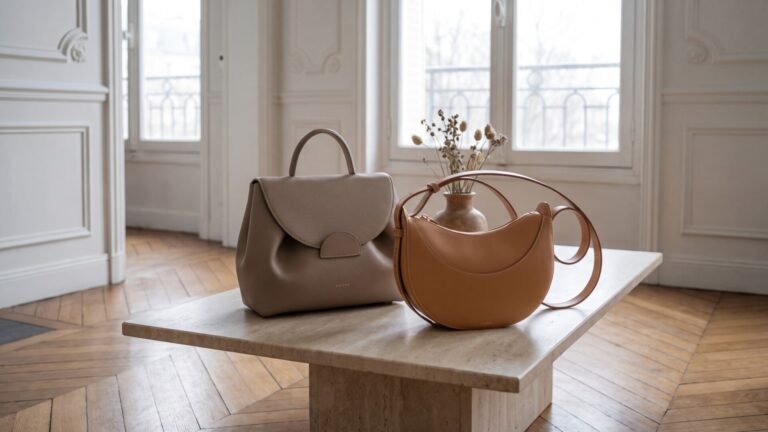
- Taupe / Beige Leather: These light neutrals offer good leather resilience but come with a visible staining risk. Even clean dirt can show up on a beige bag, though it is easier to wipe clean than suede.
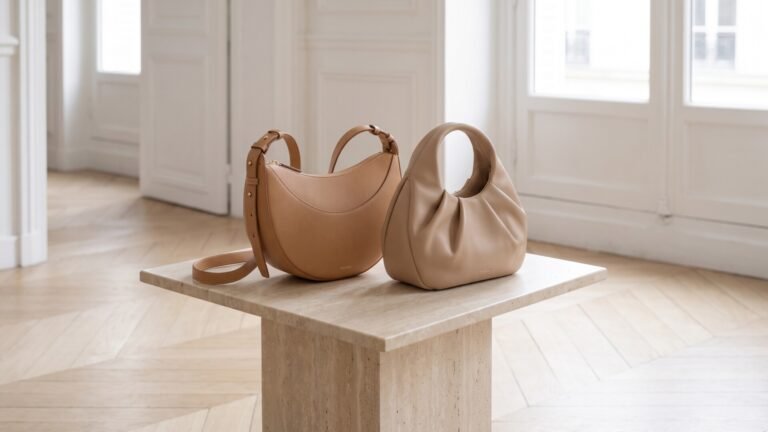
- Moka Suede: This ranks as mid-low in terms of physical resilience but offers the highest aesthetic payoff. It provides a visual luxury and textural depth that the other colors simply cannot replicate. You accept a greater maintenance burden in exchange for a richer, more dynamic visual experience.
Summary: Moka suede is the best choice for visual luxury, not the best for resilience. If your priority is a carefree, decade-long daily driver, black textured leather is your safest bet. If you are willing to invest a little more care for a significantly more beautiful aesthetic experience, Moka suede is the winner.
Stain, Water & Maintenance Risk Analysis
Let’s be clear about the risks you are accepting when you buy a Moka suede bag.
- Primary Risks:
- Water Spotting: The number one enemy. Rain is an immediate threat.
- Oil Absorption: The oils from your hands or a dropped salad dressing will permanently darken the suede.
- Dust and Dirt: Over time, the open nap will accumulate fine particles, which can make the color look dull.
- Fading and Burnishing: In high-friction zones like corners, straps, and flaps, the suede can darken or become shiny over time.
- Maintenance Requirements:
- Suede Protector Spray: This is not optional; it is an absolute necessity. You must apply a high-quality water and stain repellent spray before the first use. Reapply regularly.
- Avoid Water at All Costs: These bags and rain are not friends. Getting caught in a downpour without protection is a potential bag-ruining event.
- Regular Brushing: You should have a suede brush to gently lift the nap and remove dust regularly, preventing it from settling deep into the fibers.
Insight: Owning a Moka suede bag requires an “active care behavior.” Unlike a black leather bag you can toss around with impunity, this bag demands respect and routine maintenance.
Styling Value vs. Practical Durability Trade-Off
The decision to buy Moka suede is ultimately a philosophical one. It is a trade-off between maximum stylistic reward and maximum practical resilience.
- Why People Choose Moka Suede:
- Rich Seasonal Aesthetic: It is the perfect statement for fall and winter.
- Pairs Perfectly with a Neutral Wardrobe: It complements beige, cream, olive, navy, and gray seamlessly.
- Elevated “Quiet Luxury” Texture: In a sea of ubiquitous smooth leather, suede signals a higher level of fashion awareness and confidence.
- The Trade-Off:
- Lower Resilience: It cannot withstand daily, rough-and-tumble use.
- Higher Maintenance: It demands a care routine and constant vigilance.
Core Idea: When you buy a Polène Moka suede bag, you are consciously buying aesthetic luxury, not utility-first design. You are paying for the beauty of the material itself, and the care it demands is the price of admission.
Who Should Choose Moka Suede?
The Polène Moka suede is the perfect match for the following types of shoppers:
- Fashion-Focused Buyers: You prioritize the look, feel, and “vibe” of your accessories above all else.
- Seasonal Wardrobe Curators: You have a well-defined rotation of bags and likely have a separate collection for autumn/winter versus spring/summer.
- Light-Use Handbag Owners: You are purchasing this as a special occasion bag, a dinner bag, or a bag for days when you know you won’t be facing the elements.
- Office & Occasional Wear Users: This bag shines in a controlled environment like an office, where it will sit on a desk or in a chair, far from the dangers of the street.
Who Should Avoid Moka Suede?
Be honest with yourself. If you fall into any of these categories, the Moka suede is likely not for you.
- Heavy Daily Commuters: If you take the subway, walk long distances, or bike to work, the daily exposure to wear and unpredictable weather will eventually take a toll.
- Rainy Climate Users: Living in a city like London, Seattle, or anywhere with frequent rain is a high-risk factor.
- Low-Maintenance Buyers: If the thought of applying protector sprays and buying a special brush sounds like a chore, stick to smooth leather.
- Travel-Heavy Lifestyles: A bag that will be bumped around in airport security bins or checked baggage is better off being made of durable, scratch-resistant smooth leather.
Is Moka Suede a Good Long-Term Investment?
This is a critical distinction. “Investment” in the luxury world can mean two things: financial appreciation or long-term wearable value.
- Pros:
- The Moka suede has strong aesthetic demand and is perfectly aligned with current quiet luxury and soft luxury trends.
- Its visual appeal means it has high resale potential to a specific niche of fashion enthusiasts.
- Cons:
- Suede is condition-sensitive. A bag with water spots or fading will suffer significantly higher depreciation than a similarly worn leather bag.
- Its higher depreciation risk means you will get less of your money back if you sell compared to a classic leather model.
Conclusion: The Moka suede holds style value more than it holds investment value. You are buying it for the enjoyment of wearing it now, not as a financial asset. Its beauty is its value, which is a valid reason to buy, but it’s not the same as buying a classic workhorse.
How to Extend the Life of a Moka Suede Bag
If you decide to take the plunge, follow this care strategy to maximize your bag’s lifespan.
- Pre-Use Protection (Crucial): Apply a high-quality suede protector spray in a well-ventilated area. Allow it to dry completely before using the bag. This is the single most important step.
- Controlled Storage: Always store the bag in its dust bag to prevent dust buildup and scratches. Use a bag organizer or acid-free tissue paper to maintain its shape. Avoid storing in humid areas.
- Avoid Wet Conditions: Do not wear this bag on days when rain is forecast. If a droplet lands on it, gently dab (never rub) with a clean, dry cloth and let it air dry at room temperature away from direct heat sources like radiators.
- Rotation Usage: Do not use this as a 365-day-a-year bag. Rotate it with your other bags to reduce cumulative wear and give the material time to “rest.”
Frequently Asked Questions About The PolèneMoka Suede Bag
Is suede durable for handbags?
Suede is less durable than smooth full-grain leather. It is more prone to water damage, staining, and friction wear. However, with regular maintenance (spraying, brushing, avoiding rain), a high-quality suede bag like Polène’s can last for many years.
Does Polène suede stain easily?
Yes, like all suede, it is more susceptible to stains than smooth leather. Oils, water, and dirt can easily mark the surface if not treated immediately. Using a protective suede spray before first use is highly recommended to reduce this risk.
Is Moka a good color for everyday use?
Moka is a beautiful and versatile neutral that pairs well with many outfits. However, as a suede bag, it is best suited for office or occasional wear. For true, heavy daily use (commuting, travel), a black textured leather bag is a more durable choice.
How do you clean suede bags?
Do not use water. Use a soft-bristled suede brush to gently lift dirt and refresh the nap. For stubborn stains, use a suede eraser. The most important rule is prevention: apply a suede protector spray before use and avoid wet conditions.
Is Polène worth it in 2026?
Yes. Polène offers exceptional value for its price point (full-grain Italian leather, handmade in Spain). With the brand growing rapidly and prices rising periodically, buying a Polène bag in 2026 is considered a smart entry into quiet luxury.
Final Verdict: Is Moka the Most Durable Polène Color in 2026?
The answer is an unequivocal no.
Moka suede is not the most durable Polène color choice in 2026. That title belongs to the black textured leather models (like the Numéro Un or Numéro Dix), which can withstand years of daily abuse and still look nearly new with minimal care.
However, “most durable” is not the same as “best.” For the buyer who values aesthetic beauty above all else, the Moka suede is arguably the most visually premium choice. It offers a rich, warm, textural depth that no other Polène color can match. It is a bag for the serious fashion enthusiast who is willing to put in the work to protect a beautiful piece of design.
Final Breakdown:
- Most Durable: Black smooth or textured leather.
- Most Balanced: Neutral leathers (taupe, beige, camel).
- Most Aesthetic: Moka suede.
If you want a stress-free, go-anywhere workhorse, buy leather. If you want a stunning, fashion-forward statement piece that you will baby and adore, the Moka suede is the only choice.
[Explore Polène’s most durable and seasonal handbag collections.]